


When talking about high blood pressure , the first thing that usually comes to mind is the need to reduce salt. But in recent years, there has been a growing understanding that it is not just about the amount of sodium we consume, but also the amount of potassium in the diet and the balance between them.
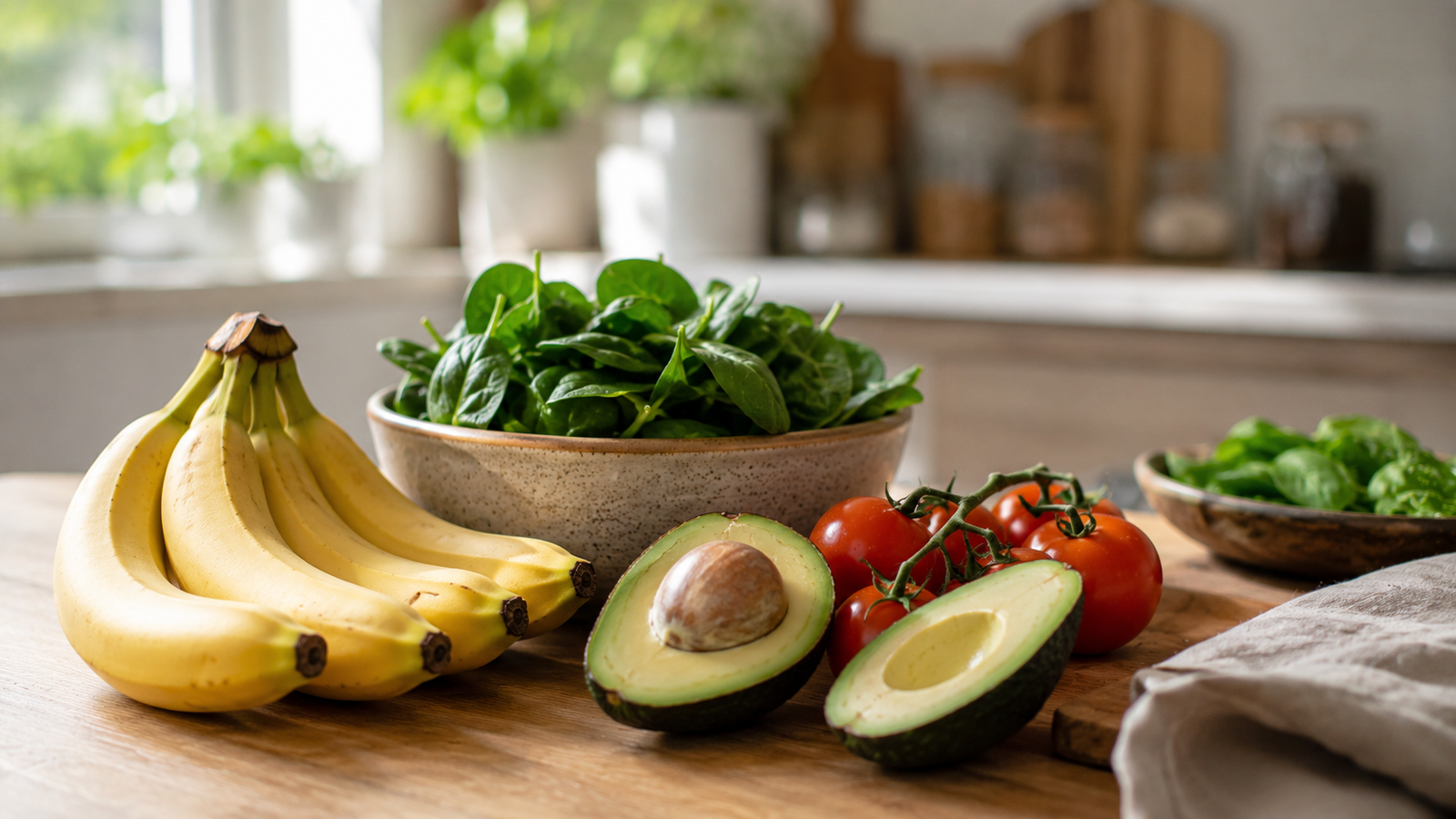
Potassium is an essential mineral found naturally in a variety of foods, especially fruits, vegetables, and legumes. Adequate potassium intake may help the body counteract the effects of sodium and support normal blood vessel function.
So does the path to balancing blood pressure actually start on the plate? In many cases, a combination of less sodium and more potassium can be part of a diet that supports cardiovascular health.
Why is reducing salt alone not always enough?
Many studies over the years have found a link between excess sodium intake and high blood pressure . Sodium causes the body to retain more water, and more fluid in the bloodstream can increase the pressure exerted on the walls of blood vessels.
Therefore, reducing salt intake is an important step for many people. However, a healthy diet does not usually focus on just one nutrient.
The ratio of sodium to potassium is also important. When the diet provides enough potassium, the body can excrete more sodium through urine. In addition, potassium helps relax the walls of blood vessels, which can help maintain normal blood pressure.
Sodium and potassium – the balance you need to know
Instead of thinking only about the question “How much salt do I eat?”, it’s better to look at the bigger picture:
- Reduce high-sodium foods.
- Add more vegetables and fruits.
- Incorporate legumes and other natural foods.
- Choose fewer processed foods.
- Prefer a varied and balanced diet.
This way you can work on both sides of the equation: less sodium and more natural sources of potassium .
How much potassium should you consume per day?
The appropriate amount of potassium varies depending on age, health status, and individual needs. According to the recommendations mentioned in the source, daily potassium intake may range from about 3,500–5,000 mg , while the recommendation for sodium may be significantly lower.
However, there’s no need to start counting every milligram. For most people, a simpler way is to increase the presence of natural, potassium-rich foods in the daily diet.
It is especially important not to increase potassium intake on your own if you have kidney disease or are taking medications that may affect potassium levels in your blood.
What foods are rich in potassium?
Potassium is found in a wide variety of foods. There is no need to rely on just one food, and the best way is to create a variety of foods throughout the day.
Fruits and vegetables
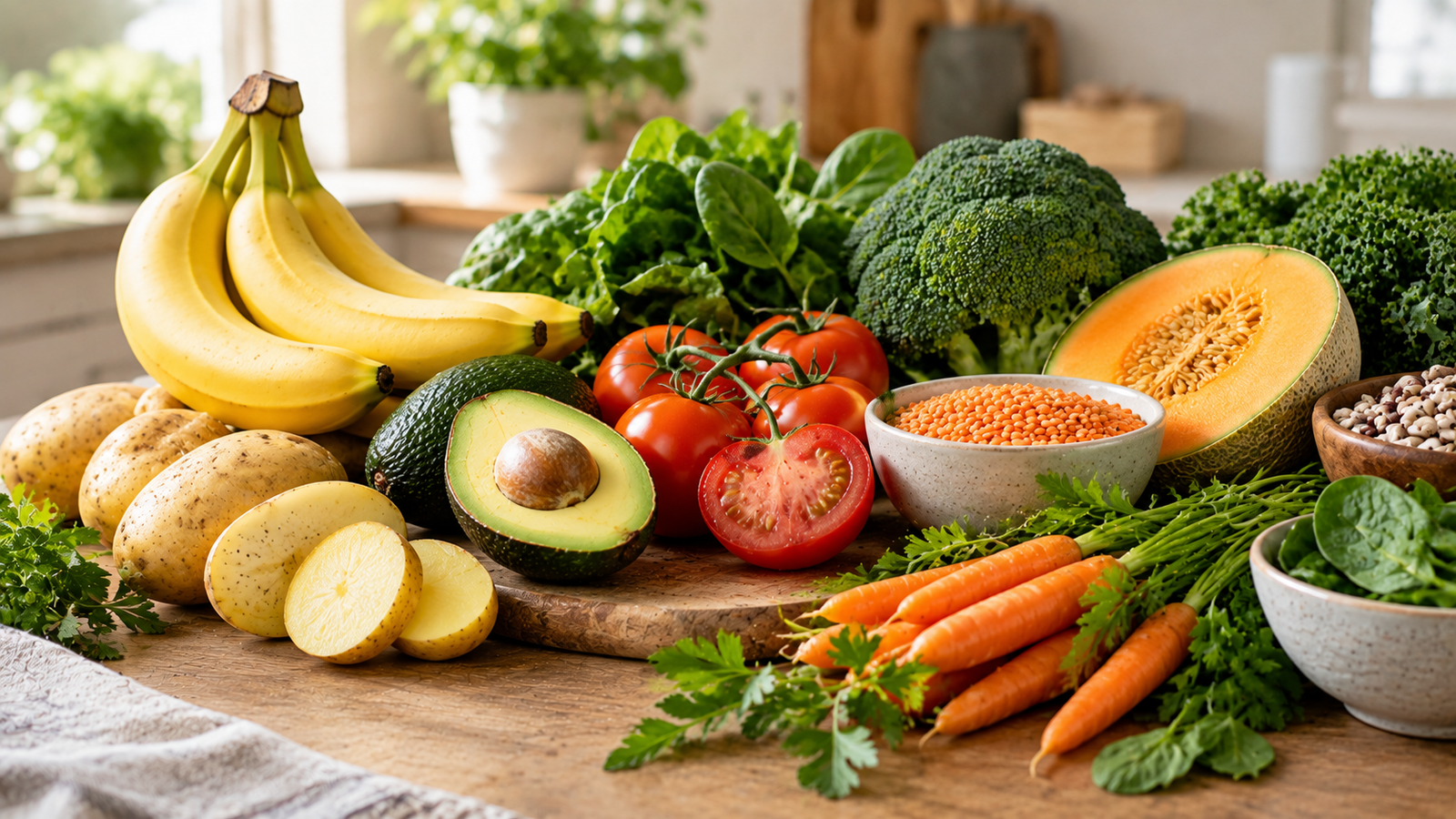
Fruits and vegetables are among the most prominent natural sources of potassium. You can include the following in your menu:
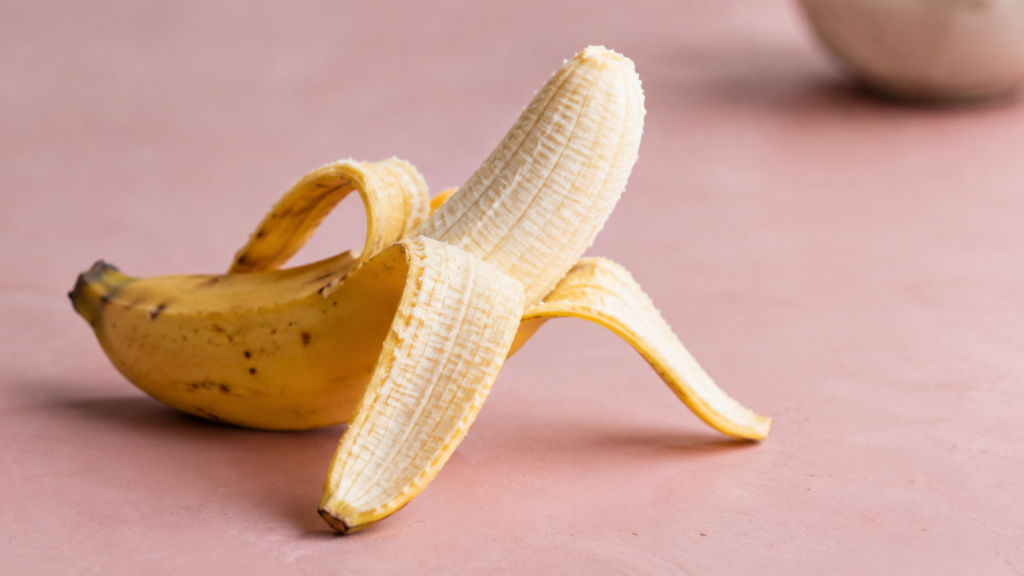
- Bananas
- Dates
- hotel
- avocado
- Tomatoes
- Potatoes
- Green vegetables
- Legumes
You can include them in meals, salads, or as a snack during the day.
For example, breakfast could include natural yogurt with a banana, and at lunch you could add a large salad alongside a dish of legumes or potatoes.
And what about salt substitutes with potassium?
Another option for reducing sodium is to use salt substitutes that are based partly on potassium chloride .
The idea is simple: instead of all the salt being sodium-based, some of it is replaced with potassium. This way, you can reduce the amount of sodium in your diet while adding potassium.
A study involving more than 20,000 adults in China with high blood pressure found that using a potassium-based salt substitute instead of table salt was associated with a reduced risk of stroke and death.
However, a salt substitute does not mean that you can use an unlimited amount. More potassium is not necessarily better , and it is especially important to be careful when you have kidney problems or are taking certain medications.
Can potassium be dangerous for the kidneys?
This is a particularly important point.
Healthy kidneys help filter the blood and remove excess potassium through urine. When kidney function is impaired, the body may have difficulty eliminating excess potassium.
As a result, excessively high levels of potassium in the blood can be dangerous and cause symptoms such as:
- Nausea
- Fatigue
- weakness
- Feeling faint
- Heart rhythm disorders
- In severe cases, muscle dysfunction
Therefore, people with chronic kidney disease or kidney failure should receive individual guidance before significantly increasing their potassium intake.
Certain medications can also affect potassium levels, so if you have a chronic illness or are taking regular medication, it’s a good idea to consult a medical professional before making any significant changes to your diet.
How to add more potassium to your diet without getting into trouble?
There’s no need to make your diet complicated. A few small changes can increase your intake as part of regular meals.
Simple ideas for everyday life
In the morning:
Add a banana, melon, or other fruit to breakfast.
Lunch:
Combine a large salad, tomatoes, green vegetables or legumes with the main course.
As a snack:
Choose fresh fruit instead of a processed, high-salt snack.
At dinner:
combine potatoes, baked vegetables, avocado or legumes.
In seasoning:
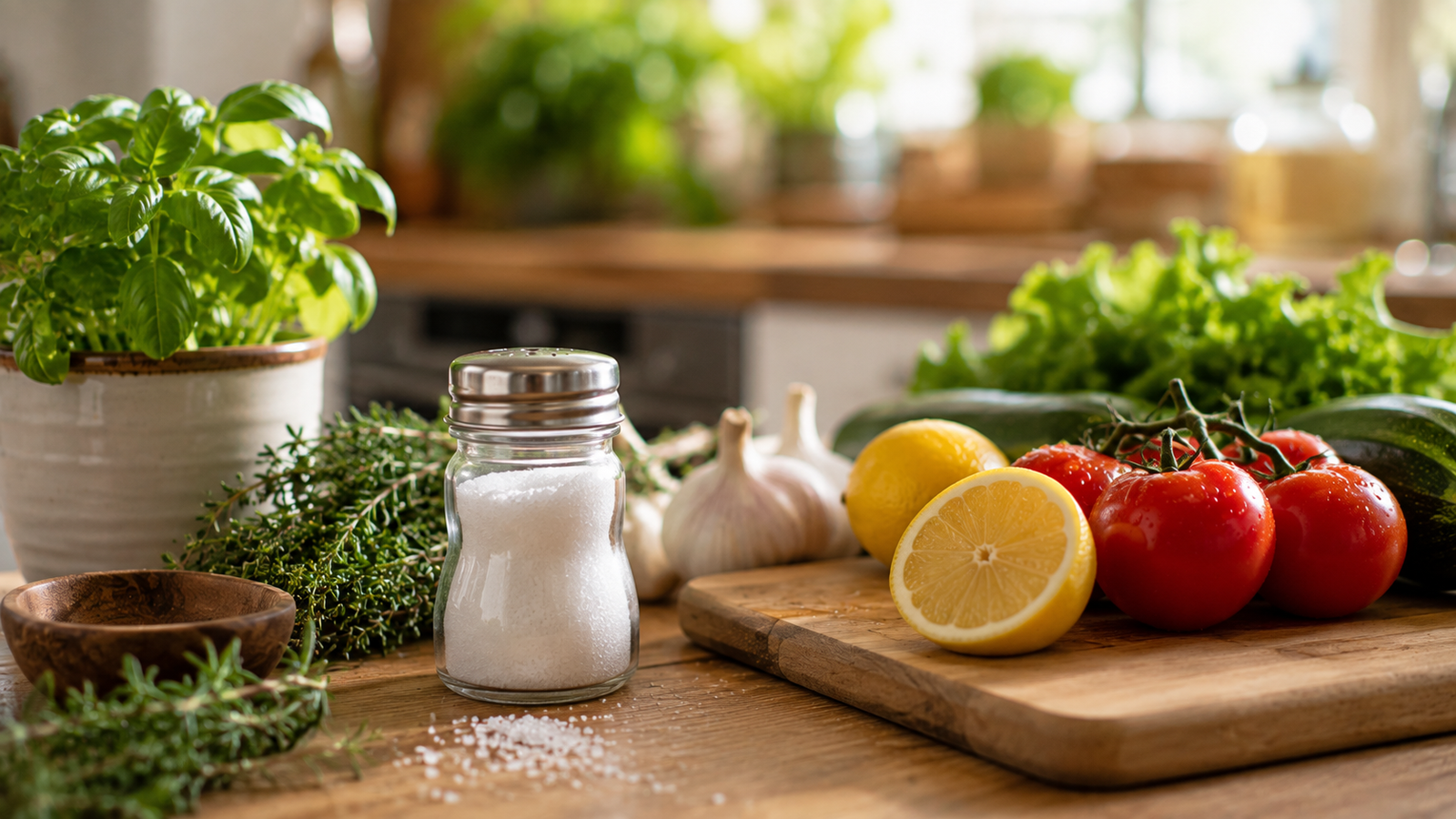
Use herbs, garlic, lemon, and spices to reduce the need for salt.
A particularly important tip
Instead of just trying to “add potassium,” try replacing high-sodium foods with natural foods .
For example, instead of a salty snack or processed food, you can choose fruit, vegetables, legumes, or a homemade dish based on simple ingredients.
Thus, the change is not just the addition of one mineral, but a more comprehensive improvement in the quality of nutrition.
A healthy diet for blood pressure is more than one mineral
Blood pressure is affected by a variety of factors, so potassium alone is not a magic bullet. A balanced diet, exercise, maintaining a healthy weight, getting enough sleep, and reducing salt intake can all be part of a lifestyle that supports cardiovascular health.
The goal is not to rely on one food, but to build healthy eating habits that can be maintained over time .
If you want to start today, try looking at your next plate: Does it have enough vegetables or fruit? Can you reduce the salt a little? And can you replace processed foods with more natural foods?
Frequently Asked Questions
1. Which potassium-rich foods are recommended for heart health?
Bananas, avocados, potatoes, sweet potatoes, legumes, spinach, tomatoes, yogurt, and dried fruits are good sources of potassium. Including a variety of these foods in your diet can contribute to a balanced diet and heart health.
2. Can it help lower blood pressure?
Yes. Adequate potassium intake can help balance blood pressure, in part by affecting sodium balance in the body. However, the effect varies between individuals and diet is only one part of blood pressure management.
3. How much should you consume per day?
Daily needs vary depending on age, gender, and health status. For most adults, it is recommended to get potassium primarily from natural foods such as vegetables, fruits, legumes, and dairy products.
4. Is a banana really good for blood pressure?
Bananas contain potassium and can therefore be part of a diet that supports blood pressure balance. However, eating bananas alone is not a treatment for high blood pressure, and it is important to look at your overall diet.
5. What is better for blood pressure: more potassium or less salt?
Both are important. Reducing sodium intake and ensuring adequate potassium intake can support healthy blood pressure. The best way is to focus on a balanced diet that includes vegetables, fruits, legumes, and less processed foods.
6. Should people with high blood pressure eat more?
For many people, a diet that provides enough potassium can be beneficial. However, people with kidney disease or those taking certain medications should consult a doctor before significantly increasing their potassium intake.
Summary:
It plays an important role in body function, and may help counteract the effects of sodium and support the maintenance of normal blood pressure.
The simplest way to increase potassium intake is to incorporate more fruits, vegetables, legumes, and natural foods into your diet , while at the same time reducing foods high in salt and sodium.
However, people with kidney disease or those taking certain medications should be careful about excess potassium intake and consult a healthcare professional.
A small change on your plate can be a significant step towards a more balanced diet and maintaining heart health.



תגובה אחת