
מבוא
בואו נודה באמת – אף אחד לא אוהב להישאר בבית בגלל הצטננות או שפעת. אמנם אין מזון קסם שיכול להגן מפני כל מחלה, אך למה שאתם אוכלים יש השפעה משמעותית על יכולת הגוף להתמודד עם זיהומים. החדשות הטובות הן שחיזוק מערכת החיסון לא מחייב ביקור בבית המרקחת. חלק מה”מגינים” הטובים ביותר כבר נמצאים במטבח שלכם. במדריך הזה נסקור דרכים טבעיות, טעימות ופשוטות לשמור על מערכת חיסון חזקה – החל מהמזונות שאתם כנראה כבר אוהבים.
מהי מערכת החיסון?
אפשר לחשוב על מערכת החיסון כעל צוות האבטחה הפרטי של הגוף. מדובר ברשת מורכבת של תאים, רקמות ואיברים שפועלים ללא הפסקה כדי להגן עלינו מפני חיידקים, וירוסים ופולשים מזיקים אחרים. כשהיא פועלת היטב כמעט שלא מרגישים בה, אך כשהיא נחלשת – הגוף מרגיש זאת מיד. לכן חשוב כל כך לשמור עליה באמצעות תזונה נכונה ואורח חיים בריא
מהם מזונות־העל?
בטח שמעתם את המונח הזה לא מעט, אבל “מזונות־על” הם פשוט מזונות עשירים בחומרים מזינים שמספקים יתרונות בריאותיים משמעותיים. הם לא חייבים להיות אקזוטיים או יקרים – רבים מהם הם מזונות יומיומיים כמו פירות יער, ירקות עליים, אגוזים וזרעים. כשמדובר במערכת החיסון, מזונות־העל הם אלו העשירים ב-ויטמינים ומינרלים, המסייעים לגוף להגן על עצמו באופן טבעי.
תזונה לחיזוק מערכת החיסון
השורה התחתונה היא שהמזון הוא לא רק מקור לאנרגיה – הוא גם סוג של תרופה טבעית. כאשר אתם מקפידים לאכול מגוון של מזונות שלמים וצבעוניים, אתם מספקים למערכת החיסון את הכלים הדרושים לה כדי לתפקד במיטבה. חשבו על ויטמין C, אבץ, ויטמין D, ופרוביוטיקה התומכת בבריאות המעי. החלק הטוב ביותר? אין צורך בתוכנית ארוחות מסובכת – מספיק לבצע שינויים קטנים וחכמים בתזונה, שמצטברים להשפעה משמעותית לאורך הזמן.

10 מזונות המחזקים את מערכת החיסון
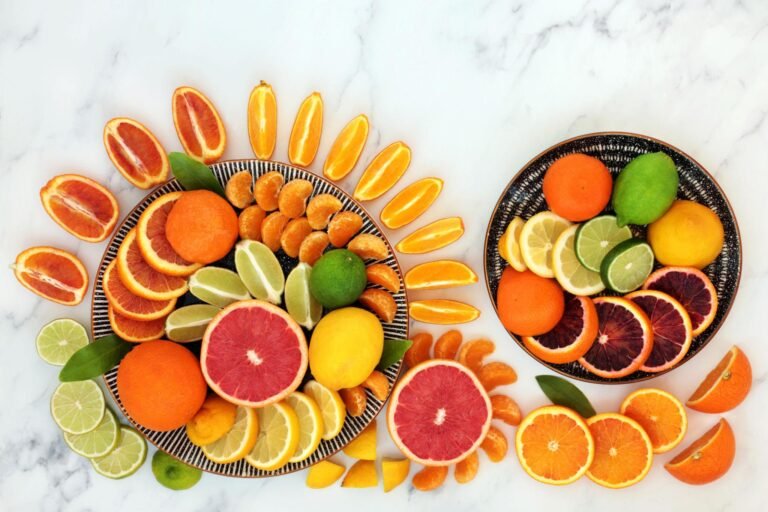
1. פירות הדר
תפוזים, אשכוליות, לימונים וליים עשירים בוויטמין C, המסייע לייצור תאי דם לבנים התומכים בהגנה מפני זיהומים. מאחר שהגוף אינו מייצר או אוגר ויטמין C, חשוב לצרוך אותו מדי יום.
2. פלפלים אדומים
תאמינו או לא, פלפלים אדומים מכילים כמעט פי שלושה יותר ויטמין C מתפוז. הם גם עשירים בבטא-קרוטן, המסייע לשמור על העור ועל בריאות העיניים. אפשר להוסיף אותם למוקפצים או לסלטים, או לאכול אותם טריים לצד חומוס.
3. ברוקולי
ברוקולי הוא מזון-על עשיר ב-ויטמינים A, C ו-E, וכן בסיבים תזונתיים ובנוגדי חמצון. הסוד הוא לבשל אותו כמה שפחות – או לא לבשל בכלל. אידוי קל או אכילתו כשהוא טרי מסייעים לשמור על הערכים התזונתיים שלו.
4. שום
השום ידוע מזה מאות שנים בזכות תכונותיו הטבעיות למלחמה בזיהומים. החומר הפעיל אליצין משתחרר כאשר כותשים או קוצצים שום טרי.
5. ג’ינג’ר
ג’ינג’ר עשוי לסייע בהפחתת דלקות, הקלה על כאבי גרון ובחילות. ניתן לשלב אותו בתה, במוקפצים ובמאכלים שונים.
6. תרד
יש סיבה לכך שתרד הפך את פופאי לחזק. הוא עשיר בוויטמין C, בבטא-קרוטן ובנוגדי חמצון, התורמים לשמירה על בריאות ה-עיניים ולחיזוק הגוף. כמו ברוקולי, מומלץ לבשל אותו קלות כדי שהגוף יוכל לספוג את כל רכיבי התזונה שבו. אפשר להוסיף חופן תרד לשייקים, לחביתות או למנות פסטה.
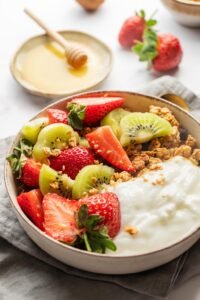
7. יוגורט
יוגורטים המכילים חיידקים פעילים (“תרביות חיות”) מספקים פרוביוטיקה התומכת בבריאות המעיים, אשר קשורה באופן הדוק למערכת החיסון.
8. שקדים
שקדים מהווים מקור מצוין לוויטמין E ולשומנים בריאים המסייעים לספיגתו בגוף.
9. גרעיני חמנייה
גרעיני חמנייה עשירים בוויטמין E, מגנזיום, זרחן וויטמין B6 – רכיבים חשובים לבריאות מערכת החיסון.
10. כורכום
כורכום מכיל כורכומין, תרכובת בעלת השפעה אנטי-דלקתית חזקה. מומלץ לשלב אותו עם פלפל שחור ומעט שומן בריא לשיפור הספיגה.
מזונות נוספים שעשויים לתמוך במערכת החיסון
11. תה ירוק
תה ירוק עשיר בנוגדי חמצון ובפלבנואידים התורמים לבריאות הגוף ולחיזוק ההגנה הטבעית.
12. פפאיה
פפאיה מכילה כמויות גבוהות של ויטמין C וכן את האנזים פפאין, שעשוי לסייע בהפחתת דלקות.

13. קיווי
קיווי מספק ויטמין C, ויטמין K, אשלגן וחומצה פולית, ונחשב לפרי מזין במיוחד.
14. עוף
עוף והודו עשירים בוויטמין B6, החיוני ליצירת תאי דם חדשים. מרק עוף הוא לא רק מאכל מנחם – גם הציר שלו מכיל ג’לטין ורכיבי תזונה נוספים התומכים בבריאות מערכת העיכול.
15. פירות ים
צדפות, סרטנים, לובסטרים ומולים מהווים מקור מצוין לאבץ – מינרל חיוני לתפקוד מערכת החיסון.
דרכים נוספות לחזק את מערכת החיסון באופן טבעי
המזון הוא חלק משמעותי מהפאזל, אבל הוא לא הגורם היחיד. מערכת החיסון שלכם נהנית גם מ:
- שינה איכותית (מומלץ לישון בין 7 ל-9 שעות בכל לילה).
- פעילות גופנית סדירה (גם פעילות מתונה מספיקה – אפילו הליכה יומית נחשבת).
- ניהול מתחים (נסו תרגילי נשימה עמוקה או לעסוק בתחביב שאתם נהנים ממנו).
- לשתות מספיק מים לאורך היום.
- להימנע מעישון ולהגביל צריכת אלכוהול.
כיצד ניתן לחזק את מערכת החיסון במהירות?
אין פתרון קסם שמחזק את מערכת החיסון בן לילה. עם זאת, שתייה מספקת, שינה איכותית, תזונה עשירה בוויטמין C ואבץ והפחתת מזונות מעובדים יכולים לתמוך בתפקוד החיסוני. גם שמירה על היגיינת ידיים חשובה להפחתת הסיכון לזיהומים.
מזונות שעשויים לסייע במאבק בווירוסים ובזיהומים
שום, ג’ינג’ר, כורכום ותה ירוק מכילים רכיבים בעלי תכונות אנטי-בקטריאליות ואנטי-ויראליות. גם מרק עצמות ומזונות עשירים באבץ יכולים לתמוך בפעילות תאי מערכת החיסון.
שאלות נפוצות
כיצד ניתן להעלות את מספר תאי הדם הלבנים?
תזונה עשירה בוויטמין C, אבץ וחלבון, יחד עם שינה מספקת והפחתת סטרס, תומכת בייצור ובתפקוד של תאי הדם הלבנים.
האם ויטמין C מעלה את מספר תאי הדם הלבנים?
ויטמין C מסייע לייצור תקין של תאי דם לבנים ומשפר את פעילותם במערכת החיסון.
אילו מזונות עשויים לסייע במלחמה בווירוסים?
שום, ג’ינג’ר, כורכום, תה ירוק ופטריות מסוימות כמו שיטאקי ידועים בתכונותיהם התומכות במערכת החיסון.
אילו מזונות עשויים לסייע במלחמה בזיהומים?
ציר עצמות, דבש גולמי, שום, שמן קוקוס ומזונות העשירים באבץ ובוויטמין D (כמו דגים שמנים וביצים) – כל אלה הם מזונות בריאים שיכולים לסייע לגוף להתמודד בצורה יעילה יותר עם זיהומים חיידקיים ונגיפיים.
אילו ירקות טובים למערכת החיסון?
ברוקולי, תרד, פלפל אדום, כרוב ניצנים, קייל ובטטה נחשבים לבחירות מצוינות.
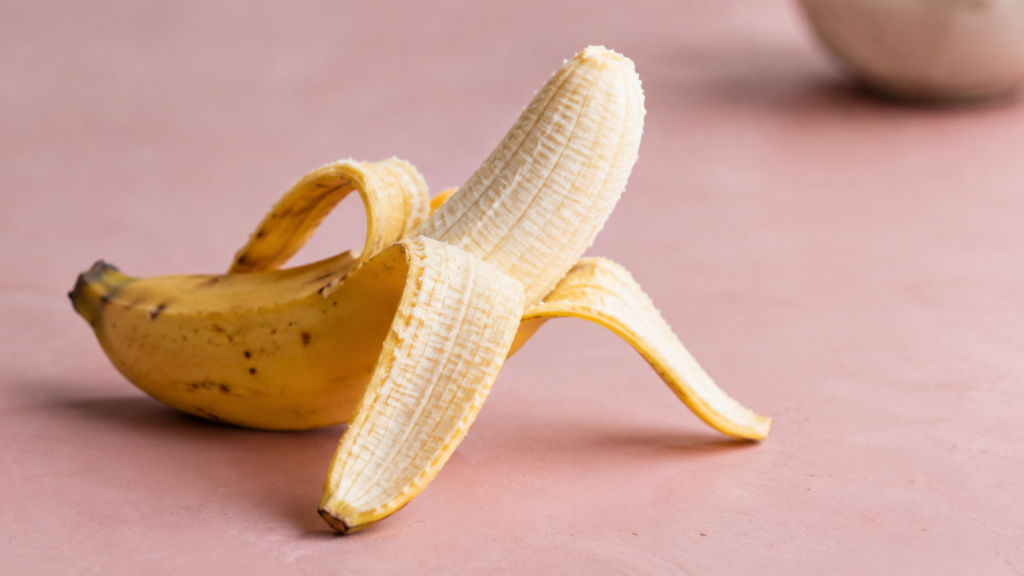
האם בננות מחזקות את מערכת החיסון?
בננות אינן עשירות במיוחד בוויטמין C, אך הן מכילות ויטמין B6 התומך בתפקוד מערכת החיסון ותורמות לבריאות מערכת העיכול.
סיכום
חיזוק מערכת החיסון אינו חייב להיות מורכב. הוספת כמה מהמזונות שהוזכרו לתפריט השבועי, שתייה מספקת של מים, שינה איכותית וניהול אורח חיים בריא יכולים לתרום משמעותית לבריאות הכללית. עם הזמן, הבחירות הקטנות האלו מצטברות ומסייעות לבנות גוף חזק ועמיד יותר.