

שמור מאמר

5 טיפים לאיזון לחץ הדם

High blood pressure (hypertension) is a common medical condition that often develops without noticeable symptoms, which is why it is

פורסם על ידי Healthy Knowledge

פורסם: יולי 22, 2026

5 Tips to Balance High Blood Pressure

High blood pressure (hypertension) is a common medical condition that often develops without noticeable symptoms, which is why it is often called the “silent killer.” Even when a person feels perfectly healthy, high blood pressure over time can gradually damage blood vessels and put strain on the heart and other vital organs. Without proper treatment, it significantly increases the risk of serious complications, including heart attack, stroke, heart failure, kidney disease, vision loss, cognitive decline, and even sexual dysfunction.

Although medication is an important part of treatment for many people, it is not always the first or only solution. Adopting healthier lifestyle habits can make a significant impact on controlling high blood pressure , and sometimes even delay, reduce, or prevent the need for medication. These changes not only help control blood pressure, but also strengthen cardiovascular health and improve overall health over time.

Starting healthy changes early is one of the most effective ways to stay healthy. Developing good habits before high blood pressure becomes a significant problem can reduce the risk of future complications and improve quality of life as you age. Even small, consistent steps can lead to significant improvements over time.

Doctors and healthcare professionals generally recommend incorporating practical lifestyle changes as part of a comprehensive high blood pressure management plan . Combined with regular medical monitoring and adherence to professional guidelines, the condition can be better controlled and the risk of serious cardiovascular disease can be reduced.

5 tips for balancing high blood pressure

 Maintain a healthy body weight and follow a healthy diet.

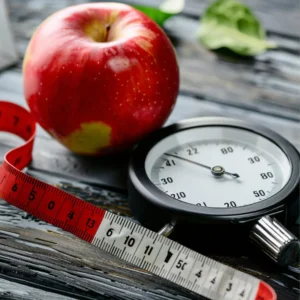
Maintaining a healthy body weight is one of the most important factors in balancing blood pressure and reducing the risk of cardiovascular disease. As body weight increases, the burden on the cardiovascular system increases, which can lead to increased blood pressure. Waist circumference also plays a significant role, as the accumulation of fat in the abdominal area is associated with a higher risk of high blood pressure and other health complications. Even moderate weight loss can contribute to improving blood pressure values ​​and reducing the burden on the heart.

To maintain a healthy weight over time, it is recommended to adopt a balanced diet that includes plenty of fruits, vegetables, whole grains, lean proteins, and foods rich in potassium and fiber, while reducing sodium and saturated fat intake. Combining healthy eating habits with regular exercise helps not only maintain a healthy weight, but also improves heart health and reduces the risk of stroke and other chronic diseases.

Regular physical activity is an integral part of a healthy lifestyle. Adults are recommended to do at least 150 minutes of moderate-intensity physical activity per week , such as brisk walking or cycling, while children and teenagers should aim for about an hour of activity each day. A combination of proper nutrition, exercise, and maintaining a healthy weight is an effective way to improve blood pressure and overall health.

Limit sodium intake

Reducing sodium intake is one of the most important dietary steps to keep high blood pressure under control and to support heart health. Most of the sodium we consume does not come from the salt we add to our food, but from processed foods, ready-made meals, and packaged products. Choosing fresh foods, preparing meals at home, and checking nutrition labels to choose products that are low in sodium can go a long way toward reducing our daily intake. Instead of adding salt, you can enhance the flavor of your food with herbs, spices, garlic, or lemon juice.

A balanced diet rich in fruits, vegetables, whole grains, lean proteins, and foods containing potassium and dietary fiber contributes to balancing blood pressure and helps reduce the risk of heart disease and stroke. At the same time, it is recommended to reduce consumption of processed foods, saturated fats, and foods high in sodium, to maintain a healthy cardiovascular system.

Health experts recommend limiting daily sodium intake to less than 2,300 mg , with people with high blood pressure likely to benefit from reducing to 1,500 mg or less per day. Combining a healthy diet with consistent sodium reduction can help balance blood pressure and even reduce the need for medication in some cases.

Start walking or running.

Regular exercise is one of the most natural and effective ways to help control high blood pressure and maintain cardiovascular health. Aerobic activity such as walking, jogging , cycling, swimming or dancing strengthens the heart muscle, improves blood flow and can help lower blood pressure when done regularly. Even people with slightly higher blood pressure can benefit from exercise, as it may help prevent the development of hypertension.

To enjoy the health benefits, it is recommended to aim for at least 150 minutes of moderate-intensity physical activity per week . You can start with short workouts and gradually increase the duration of the activity. Choosing an enjoyable activity that suits your personal lifestyle makes it easier to persevere over time. In addition, it is recommended to also incorporate strength training at least twice a week , as it contributes to improving overall fitness and cardiovascular health.

The most important factor is persistence. Incorporating physical activity into your daily routine – whether it’s brisk walking, cycling or regular exercise – can help balance blood pressure, maintain a healthy weight and reduce your risk of heart disease over time.

High blood pressure

Stop smoking.

Smoking is one of the most significant risk factors for high blood pressure and cardiovascular disease. Each cigarette causes blood vessels to constrict, reducing the supply of oxygen to the heart and increasing the strain on the cardiovascular system. Over time, this damage can lead to the development of atherosclerosis and increase the risk of heart attack, stroke and other health complications. Quitting smoking is one of the most important steps you can take to improve your heart health and reduce your risk of chronic disease.

Excessive alcohol consumption can also contribute to high blood pressure. It is therefore recommended to limit the amount of alcohol consumed, especially for people with high blood pressure. In general, the recommendation is that men should not drink more than two drinks per day, and women should not drink more than one drink per day. A combination of quitting smoking and reducing alcohol consumption can help balance blood pressure, improve cardiovascular health, and contribute to a better quality of life in the long term.
הבהרה רפואית חשובה (Medical Disclaimer)

המידע המפורסם באתר ובאפליקציית "ידע בריא" נועד למידע כללי ולהעשרה בלבד, ואינו מהווה תחליף לייעוץ רפואי, אבחון או טיפול מקצועי. אין להסתמך על התוכן המופיע במאמרים כבסיס לקבלת החלטות רפואיות. בכל שאלה רפואית, בעיה בריאותית או שינוי באורח החיים, יש לפנות באופן מיידי לרופא מומחה או לגורם רפואי מוסמך. השימוש במידע הוא באחריות המשתמש בלבד.

עדכוני בריאות בוואטסאפ

קבלו את הכתבות הכי מעניינות ישירות לנייד.

תגיות:

האם המאמר עזר לך?

כן
לא
תודה על המשוב שלך!

מה דעתך? נשמח לשמוע ממך

האימייל לא יוצג באתר. שדות החובה מסומנים *

הצטרפו לקהילת הבריאות

קבלו את הכתבות הנבחרות והטיפים הכי חמים ישירות למייל, בחינם.

נפוץ השבוע

עקבו אחרינו

הצטרפו לקהילה הבריאה שלנו

?האם המשקל שלך תקין

בואו לבדוק במחשבון ה-BMI המתקדם שלנו ולקבל תמונת מצב בריאותית מידית.

אולי יעניין אותך גם

שלום! אני עוזר הבריאות האישי שלכם. איך אוכל לעזור לכם היום? ✨
ידע בריא AI
עוזר רפואי חכם
שלום! אפשר לשאול אותי שאלות, להעלות בדיקות דם (PDF), או לצלם ארוחה כדי שאעריך עבורך קלוריות וערכים תזונתיים! 🥗📸