
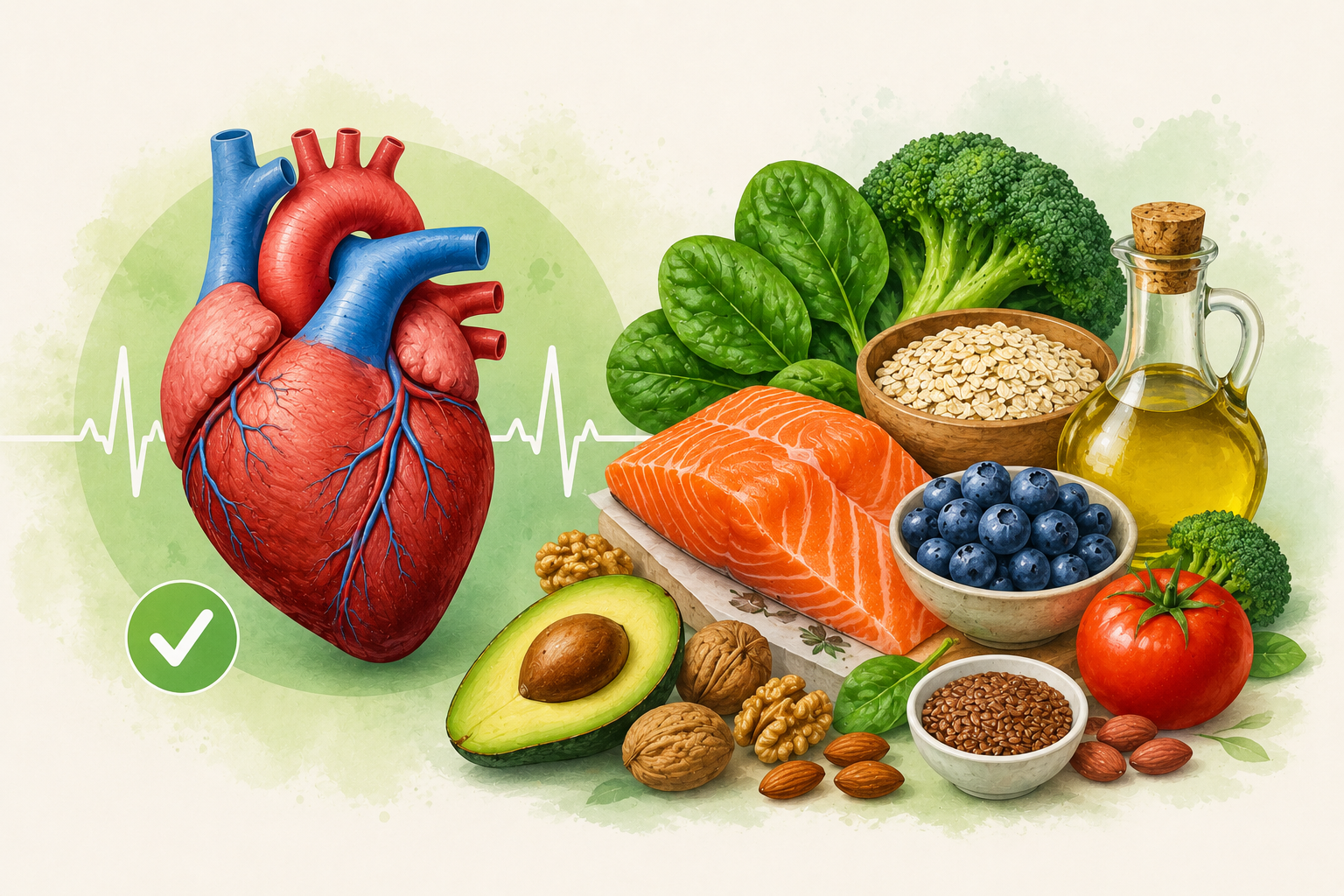
A heart-healthy diet is one of the most important factors in maintaining a healthy heart. The good news? You don’t have to give up the foods you love to eat healthier. Sometimes all it takes is a few small, smart changes in the kitchen – and the results can be significant for your heart, cholesterol, and weight.
Choosing the right ingredients, healthier cooking methods, and reducing saturated fat and sugar can help reduce the risk of heart disease, high blood pressure, and diabetes.
In this article, you will discover what simple substitutions you should make in your daily meals, how to turn recipes into healthier options – and which foods are actually recommended for heart health.
Why is nutrition important for heart health?
The heart is directly affected by what we eat. A diet high in saturated fat, salt, and sugar can raise cholesterol levels and damage blood vessels.
On the other hand, a balanced diet can help:
- Reduce bad cholesterol (LDL)
- Maintain normal blood pressure
- Reduce inflammation in the body
- Improve blood circulation
- Maintain a healthy weight
Even small changes to the menu can have a positive impact over time.
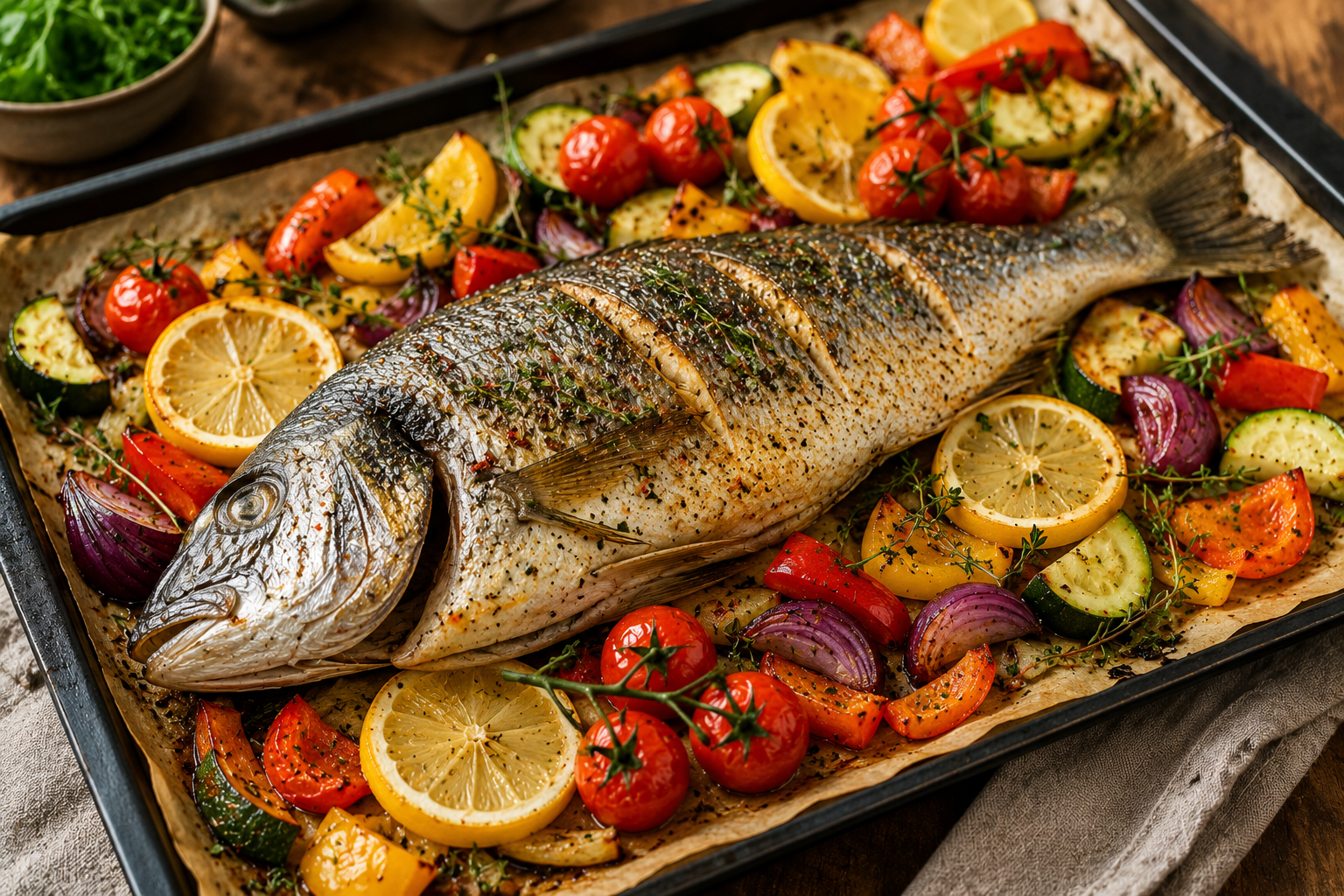
Baking and roasting instead of frying
One of the most important substitutions is changing the cooking method.
Why is it better to avoid frying?
Frying adds:
- Saturated fat
- Extra calories
- Oxidized oils
All of these can be harmful to cardiovascular health.
What is better to do?
Instead of frying fish or chicken:
- Bake in the oven
- Grill
- Use natural spices and lemon
for example:
- Baked cod
- Tilapia in the oven
- Grilled sea bass or halibut
Switching from frying to baking can save dozens of calories and saturated fat in each dish.
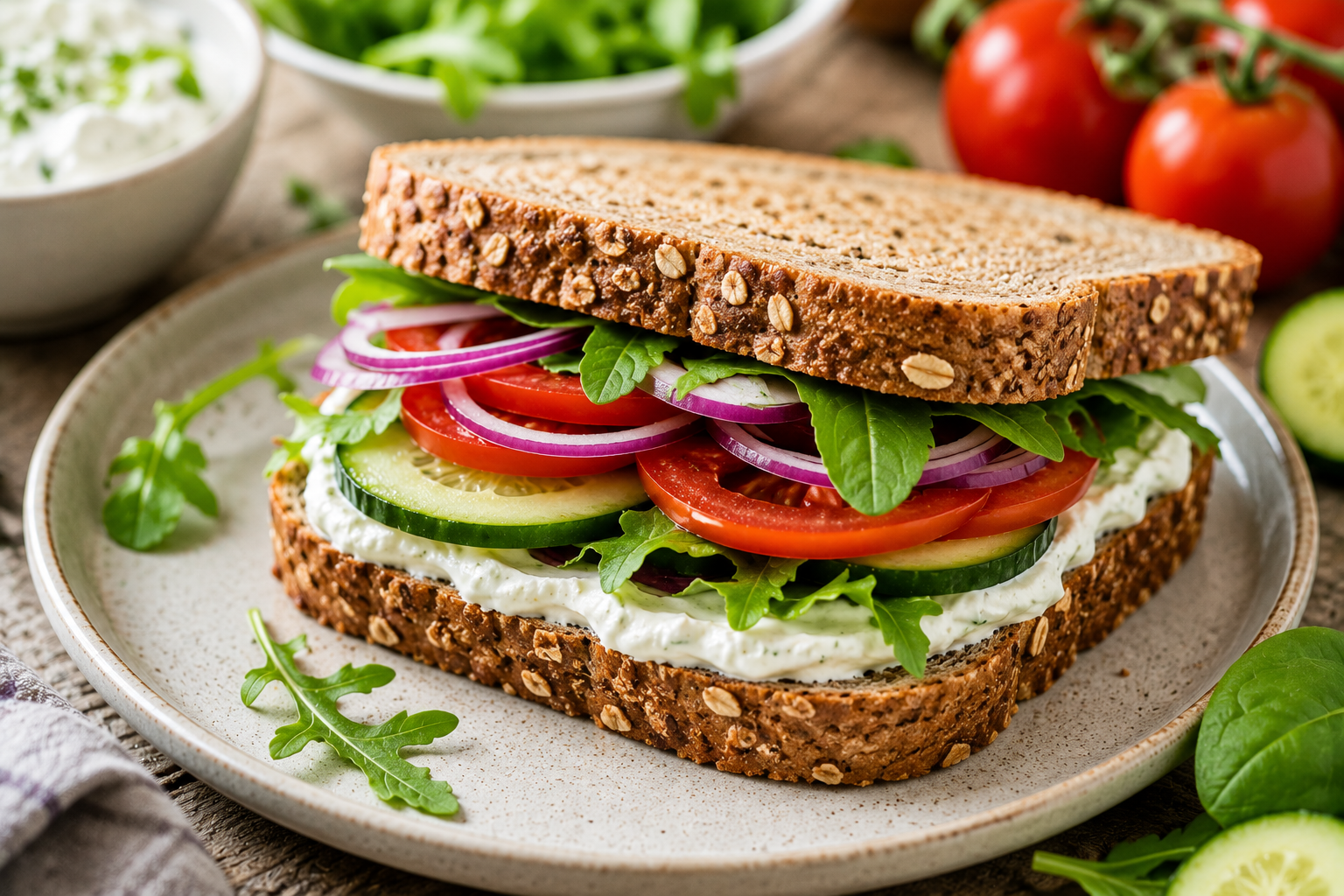
Greek yogurt instead of mayonnaise
Mayonnaise is high in fat and calories, especially in salads like tuna or chicken.
A healthier alternative
Low-fat Greek yogurt provides:
- Less saturated fat
- More protein
- Calcium supplement
It can be used in:
- Tuna salad
- Egg salad
- Sandwiches
- Cold sauces
The taste remains creamy and rich – but much more heart-friendly.
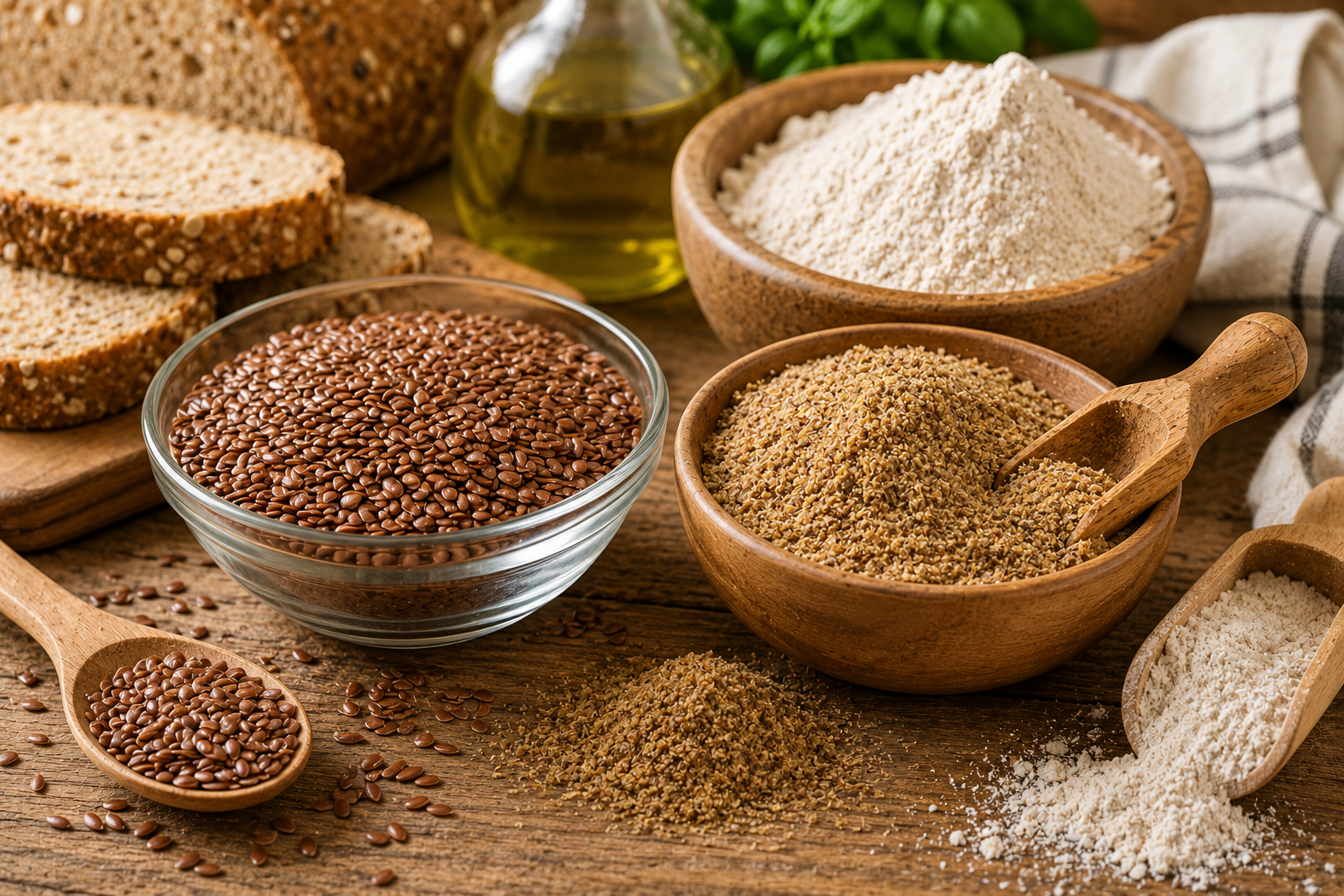
Flax seeds instead of eggs in baking
Flax seeds are an excellent source of dietary fiber and omega-3.
How to use?
To replace one egg:
- Mix 3 tablespoons of ground flaxseeds
- With 3 tablespoons of water
The mixture is suitable for:
- Pancakes
- Cakes
- Muffins
- Cookies
Why is it good for the heart?
Unlike egg yolk, flax seeds do not contain cholesterol and contribute to the balance of blood fats.
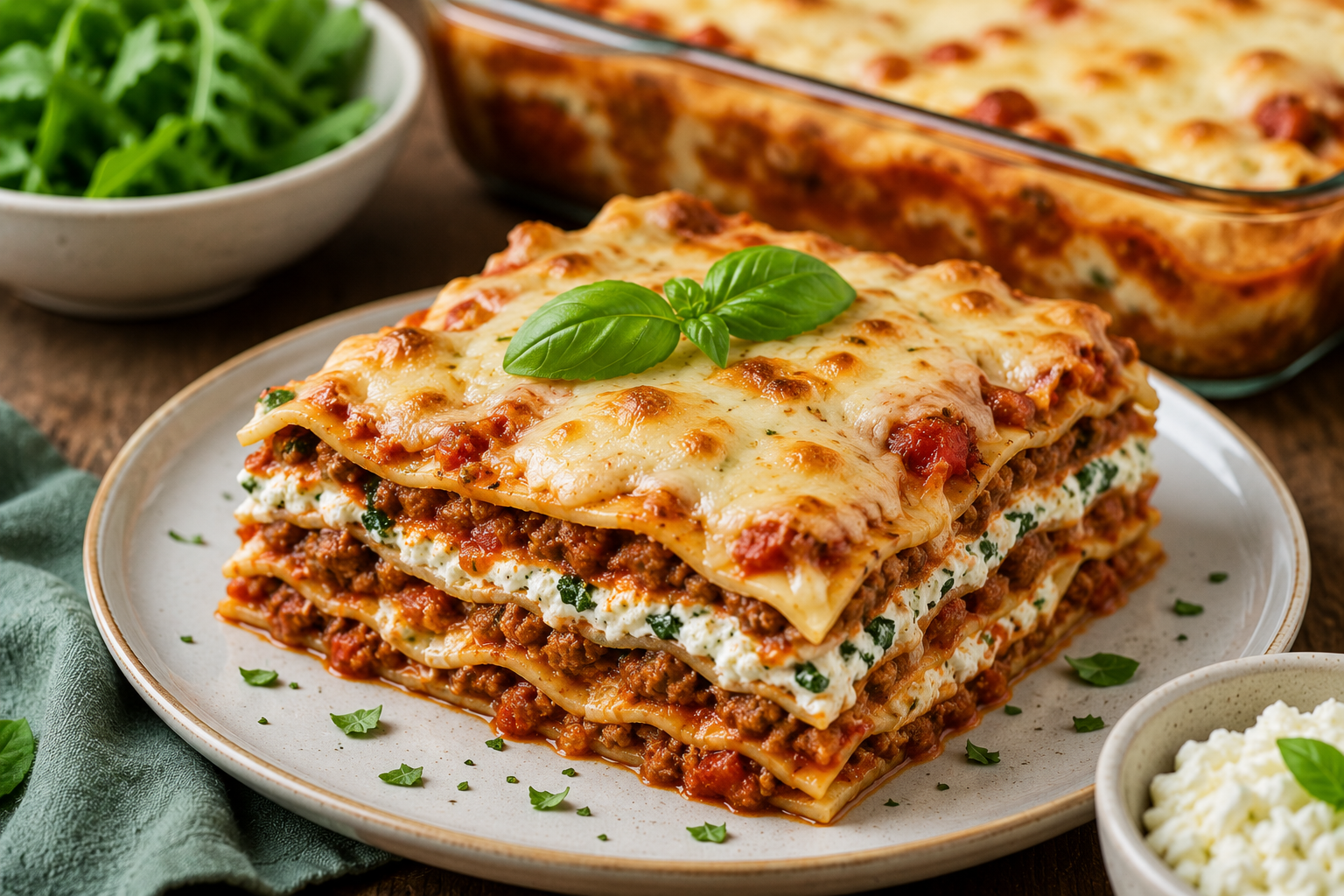
Low-fat cheeses instead of full-fat cheeses
Foods like lasagna, pies, and pastries often contain large amounts of high-fat cheeses.
Simple replacement
Instead of fatty cheeses:
- Low-fat ricotta
- Reduced-fat cottage cheese
- Light white cheeses
Even in meat, you can change
Fatty beef can be replaced with:
- Ground turkey
- Ground chicken
- Leaner meat
This significantly reduces saturated fat and calories.
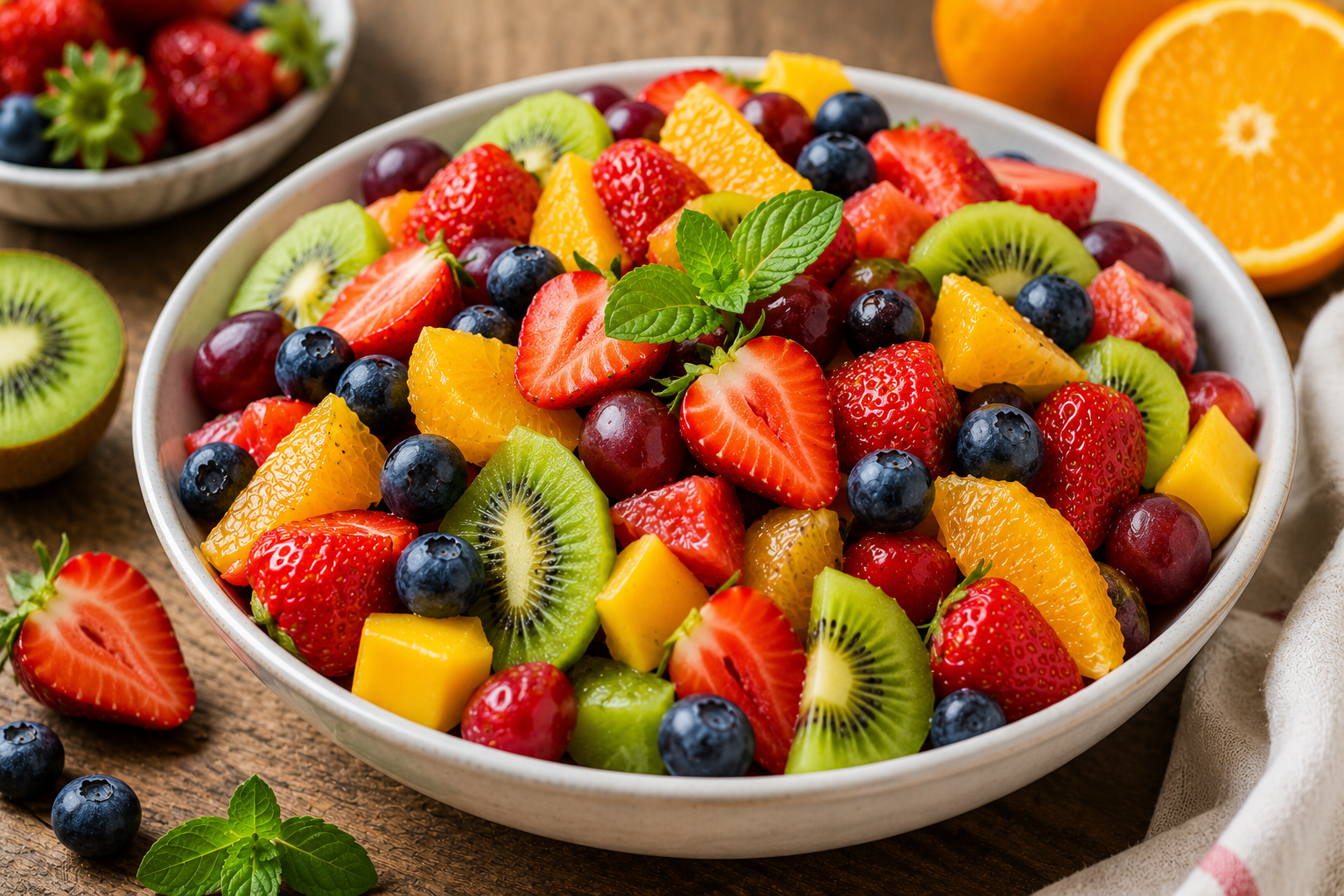
Natural fruits instead of fruits in syrup
Fruits are an important part of a heart-healthy diet thanks to:
- Dietary fiber
- Vitamins
- Antioxidants
But it is important to choose correctly.
Why avoid fruit in syrup?
Fruits preserved in syrup contain large amounts of sugar.
What is better?
- Fresh fruits
- Sugar-free frozen fruit
- Natural cut fruits
for example:
A fresh peach is significantly better than a peach canned in syrup.
A whole orange is better than orange juice.
Many people think that orange juice is particularly healthy – but in reality it contains a lot of sugar and very little fiber.
Why is it better to eat the fruit?
A whole orange provides:
- More dietary fiber
- Feeling full
- Less sugar load
Fiber is especially important for heart health and cholesterol reduction.

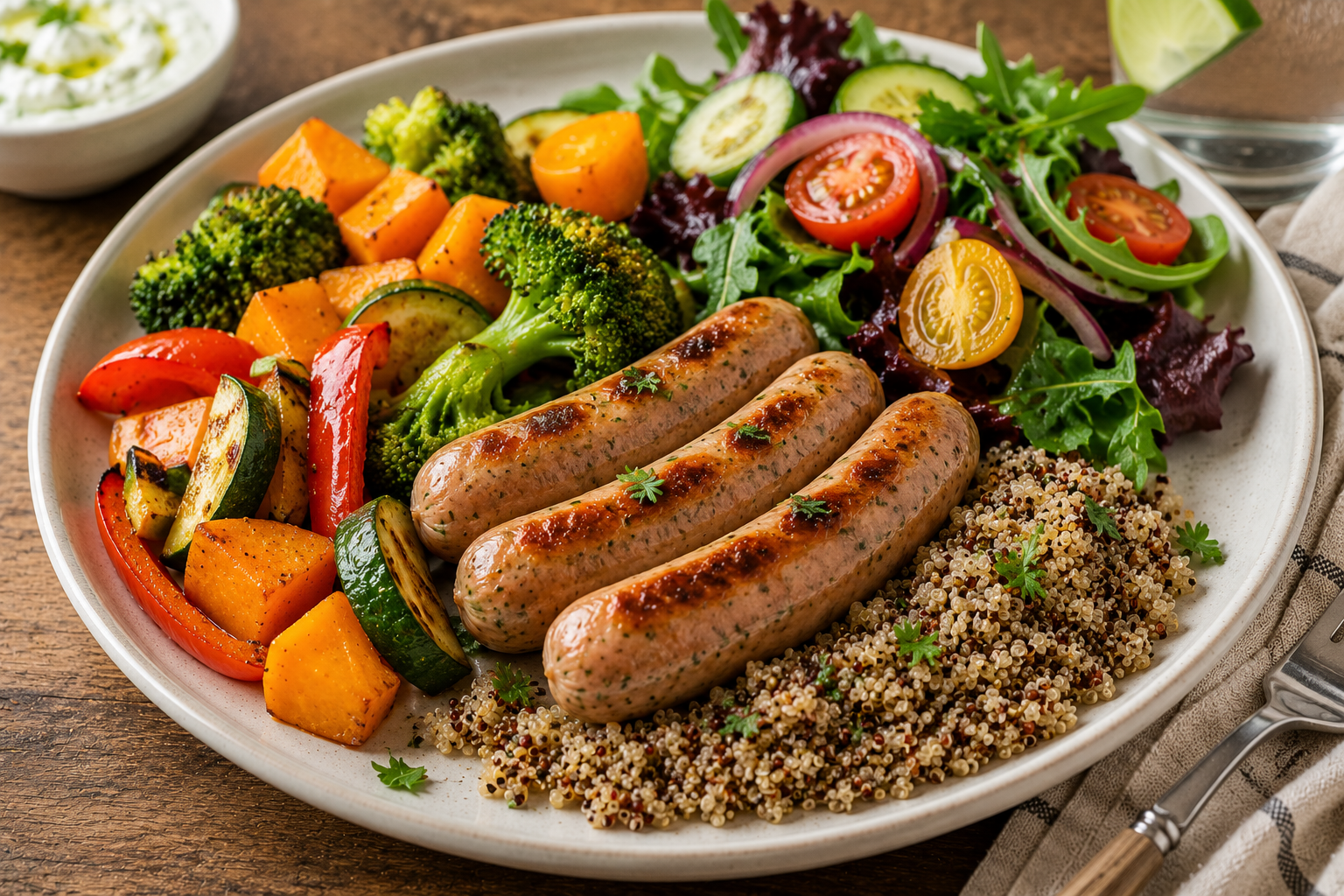
Turkey sausages instead of regular sausages
Regular processed meat products are high in saturated fat and salt.
A better option
Low-fat turkey sausages can be a better substitute.
You should combine them with:
- vegetables
- Legumes
- whole wheat bread
This results in a more satisfying and healthier meal.
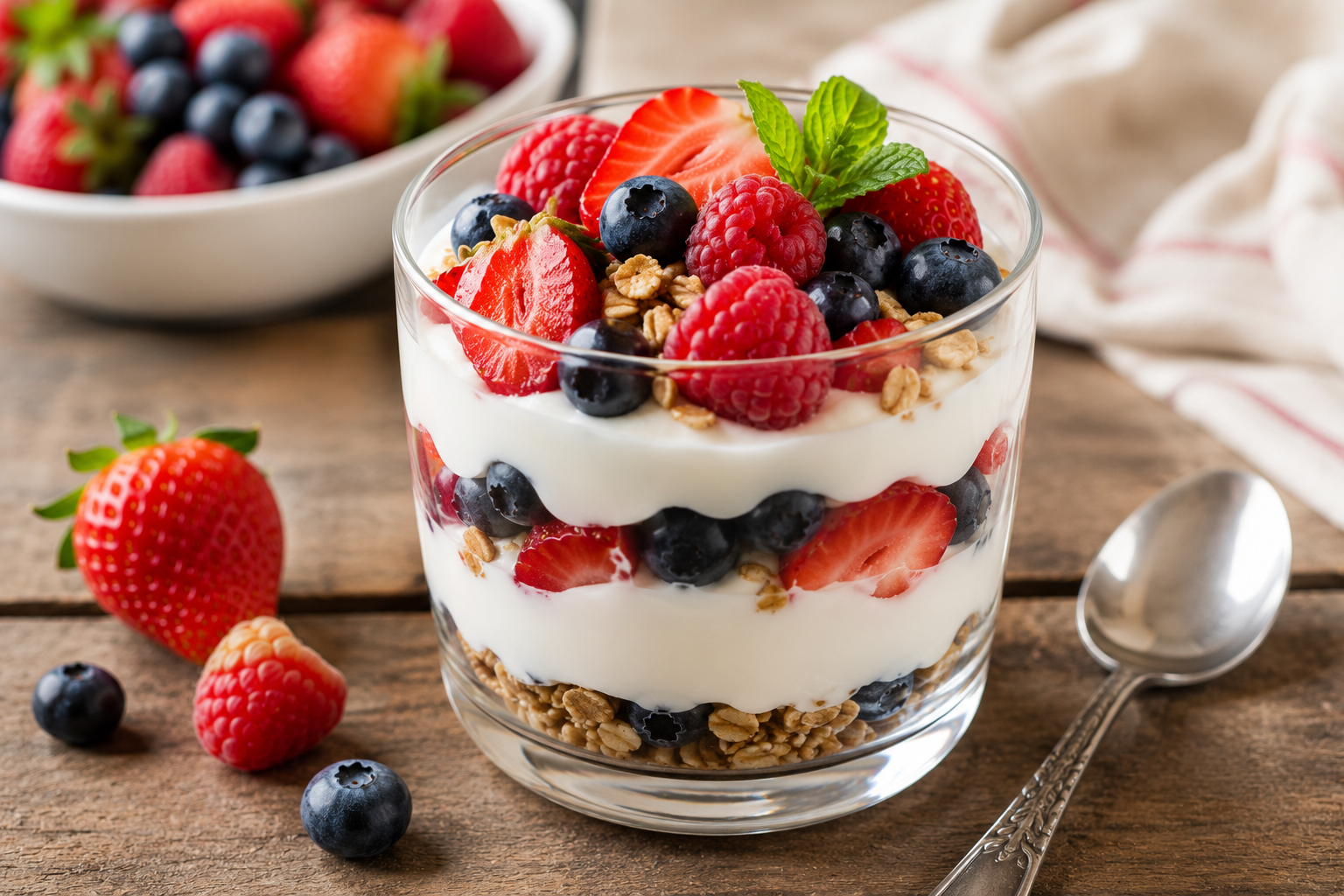
A healthy dessert instead of high-fat ice cream
You can also choose wisely when it comes to desserts.
Heart-Friendly Dessert Idea
- Frozen blueberries
- Low-fat yogurt
- A little cinnamon
This is how you get:
- Less saturated fat
- Less sugar
- More antioxidants
And the taste is still sweet and indulgent.
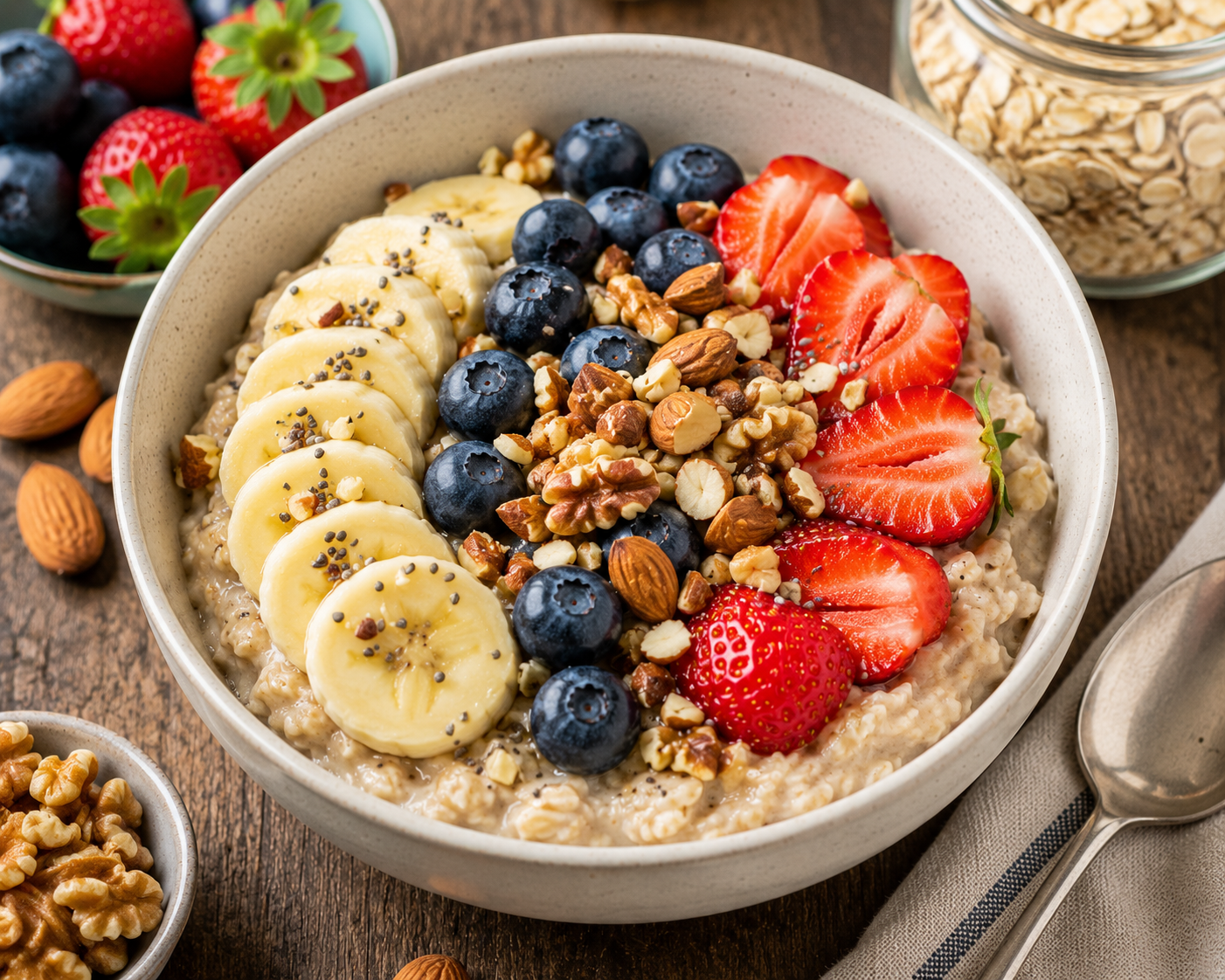
Natural oats instead of sweetened versions
Oatmeal is considered one of the best foods for heart health thanks to its soluble fiber.
The problem
Some prepared products contain a lot of sugar.
What is better?
Prepare at home:
- Natural oats
- Cinnamon
- Raisins
- nuts
This way you will reduce sugar and maintain healthy values.
Simple tips for heart-healthy eating
Prefer natural food
The less processed the food, the healthier it is generally.
Read labels
Check:
- Saturated fat
- sugar
- sodium
Incorporate more fiber
Fiber contributes to reducing cholesterol and a feeling of satiety.
Drink water.
Reducing sugary drinks contributes to heart health and weight maintenance.
Summary
Maintaining a healthy heart doesn’t have to be complicated. Small, smart changes to your daily diet can reduce saturated fat, sugar, and salt – and significantly improve your overall health.
Choosing healthier cooking methods, natural foods, and low-fat products can help protect your heart for years to come.
Start making one small change today – and your heart will thank you in the future.
New news and studies on heart-healthy nutrition: What’s new in 2026?
Important scientific updates on nutrition and heart health were published in 2026. The new recommendations emphasize that it is not just about replacing one food with another, but about adopting regular eating habits that help maintain normal cholesterol levels, balanced blood pressure, and vascular health.
New guidelines from the American Heart Association: 9 principles for a heart-healthy diet
In March 2026, the American Heart Association (AHA) published an updated scientific statement on nutrition and heart health, replacing the previous guidelines from 2021.
The recommendations highlight nine key principles:
- Maintaining a healthy body weight.
- Eating a variety of vegetables and fruits.
- Prefer whole grains over processed grains.
- Choosing healthy protein sources, including legumes and fish.
- Replacing saturated fat with unsaturated fat.
- Preferring minimally processed foods over ultra-processed foods.
- Reducing added sugar intake.
- Reducing salt and sodium intake.
- Limiting alcohol and avoiding starting to consume it for those who do not drink.
The guidelines particularly emphasize the importance of replacing butter and animal fats with unsaturated vegetable oils, such as olive oil and canola oil.
For further reading: The American Heart Association’s Scientific Guidelines for a Heart-Healthy Diet for 2026 .
New scientific statement from the American College of Cardiology: The importance of food, not just nutrients
In August 2026, the American College of Cardiology (ACC) published a scientific statement on nutrition for the prevention and treatment of cardiovascular disease.
The document summarizes clinical and observational studies and emphasizes that the quality of food and its level of processing are just as important as the amounts of fat, protein, and carbohydrates in the diet.
Among the most notable recommendations:
- Replacing saturated fat with unsaturated fats from sources such as olive oil, nuts, and seeds.
- A combination of legumes, vegetables, fruits and whole grains that are rich in fiber.
- Reducing sugary drinks, processed meats, and foods high in sodium.
- Preferring plant-based protein sources as part of a varied diet.
- Reducing consumption of ultra-processed foods.
Researchers note that the Mediterranean diet, DASH diet, and diets rich in plant-based foods may help improve blood pressure, blood lipid levels, and metabolic health.
Further reading: ACC Scientific Statement on Food and Nutrition for the Prevention of Heart Disease .
New meta-analysis: Mediterranean diet may reduce risk of cardiac events
In 2026, a meta-analysis was published that examined eight randomized controlled trials, including approximately 5,000 participants, and compared Mediterranean dietary patterns with other diets among people with heart disease or significant risk factors.
According to the results of the analysis, compared with minimal intervention, a Mediterranean diet was associated with a reduction in the progression of coronary artery disease and major cardiovascular events. The researchers also found an association with a reduced risk of heart attack and stroke.
However, this is an analysis of several studies and does not prove that any single dietary change will prevent heart disease. The results support the importance of a comprehensive and healthy dietary pattern over time.
Further reading: The study on the Mediterranean diet and cardiovascular disease in the journal JACC .
What can we learn from the new studies?
The findings reinforce the importance of simple changes in the kitchen: using olive oil instead of butter, choosing whole grains, eating whole fruits instead of drinking sugary juices, and preferring legumes, fish, and nuts over foods rich in saturated fat and salt.
The main message is that there is no need to rely on one food that is considered a “superfood.” A varied, balanced diet based on high-quality foods is one of the most important ways to support heart health over time.