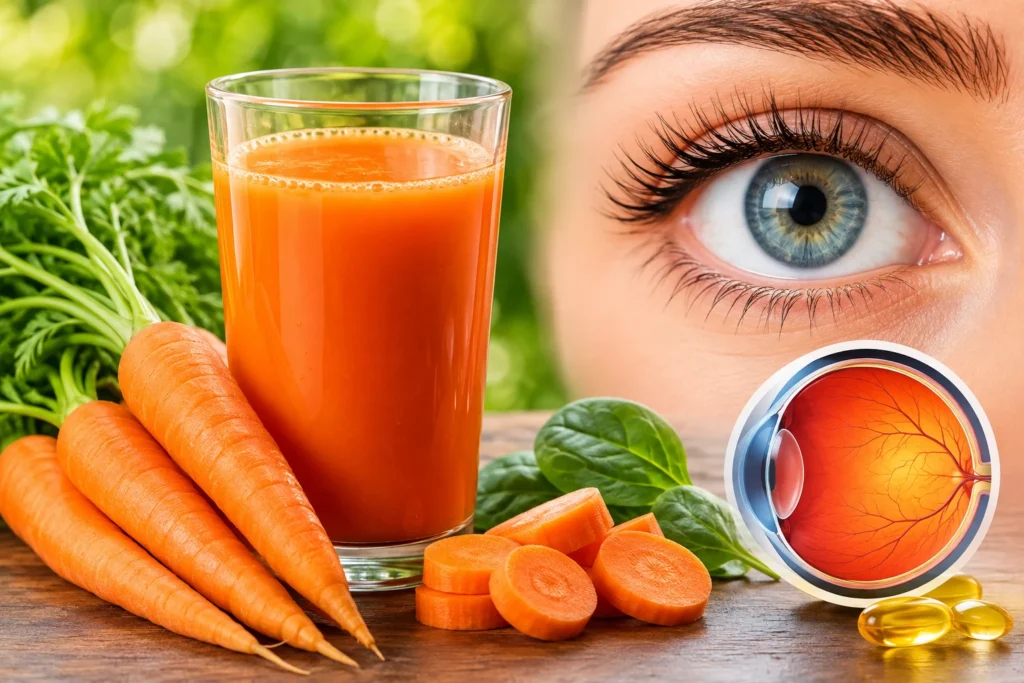

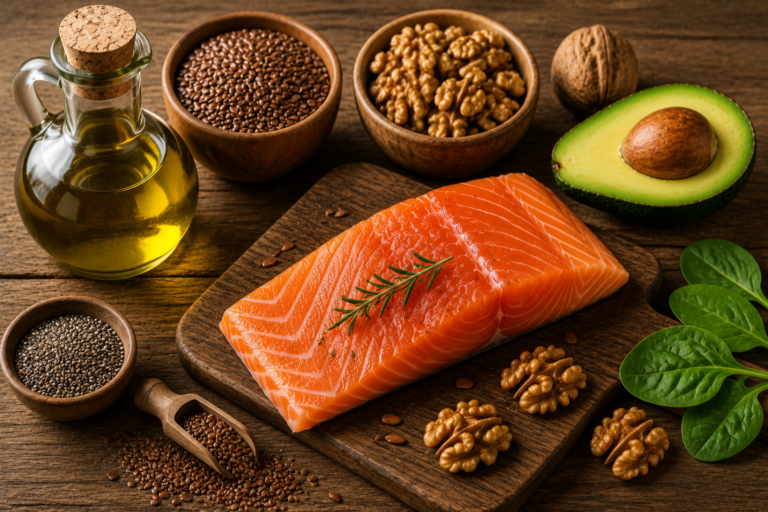
Omega-3 has become one of the most well-known concepts in the world of health and nutrition in recent years – and not by chance. Many studies indicate that these fatty acids may contribute to heart, brain, and blood vessel health, and even reduce inflammation in the body.
But what exactly is the difference between omega-3 and omega-6? Which foods are really rich in omega? And are supplements really necessary?
In this article, you will discover what essential fatty acids are, how they affect the body, and which dietary habits can help maintain heart and brain health for years to come.
What is Omega 3 and why does the body need it?
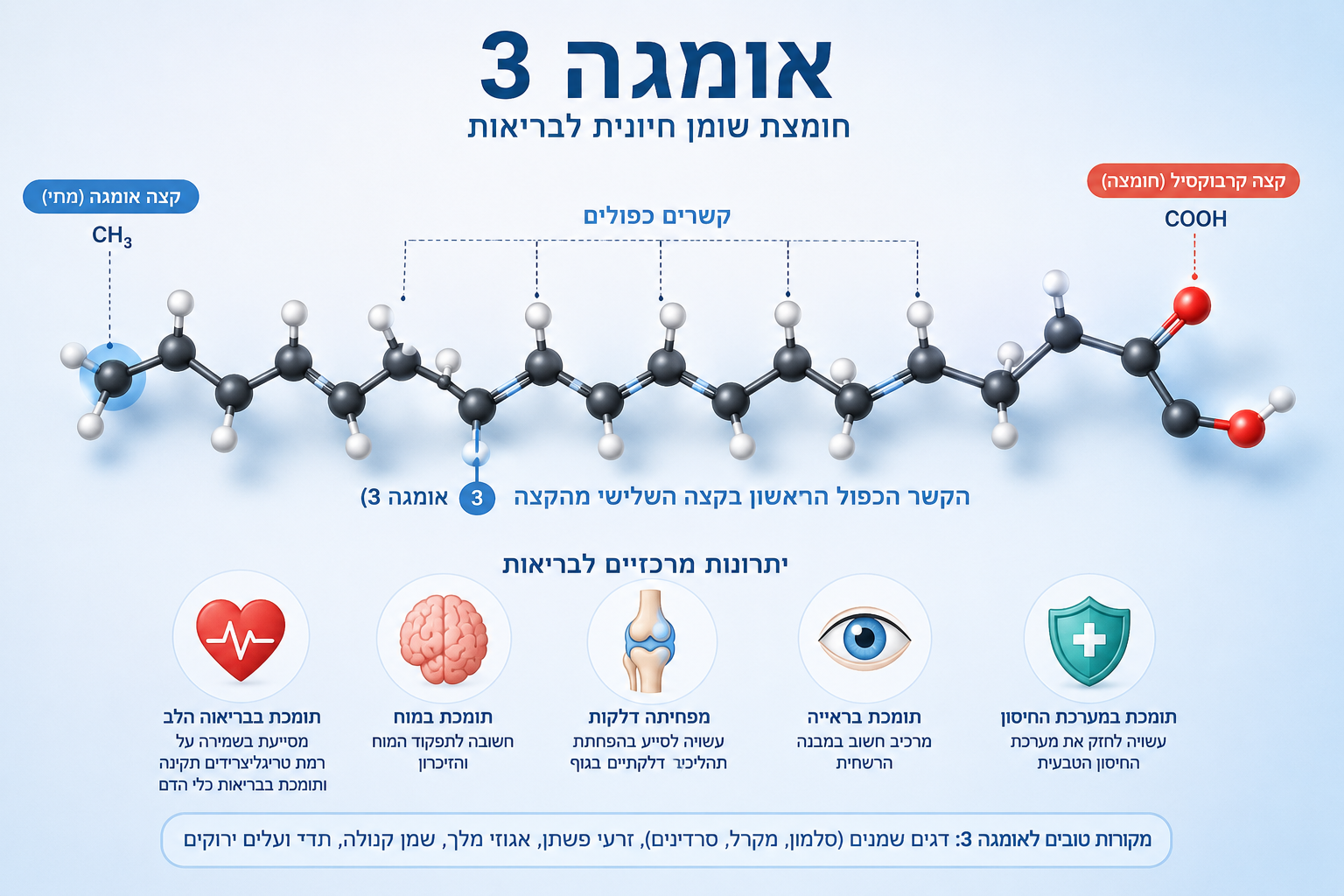
Omega-3 is a group of essential fatty acids of the polyunsaturated fat type.
The body needs them to:
- Build cells
- To produce energy
- Support brain activity
- Maintain cardiovascular health
- Reduce inflammatory processes
The problem is that the body cannot produce omega-3 on its own – so it must be obtained from food.
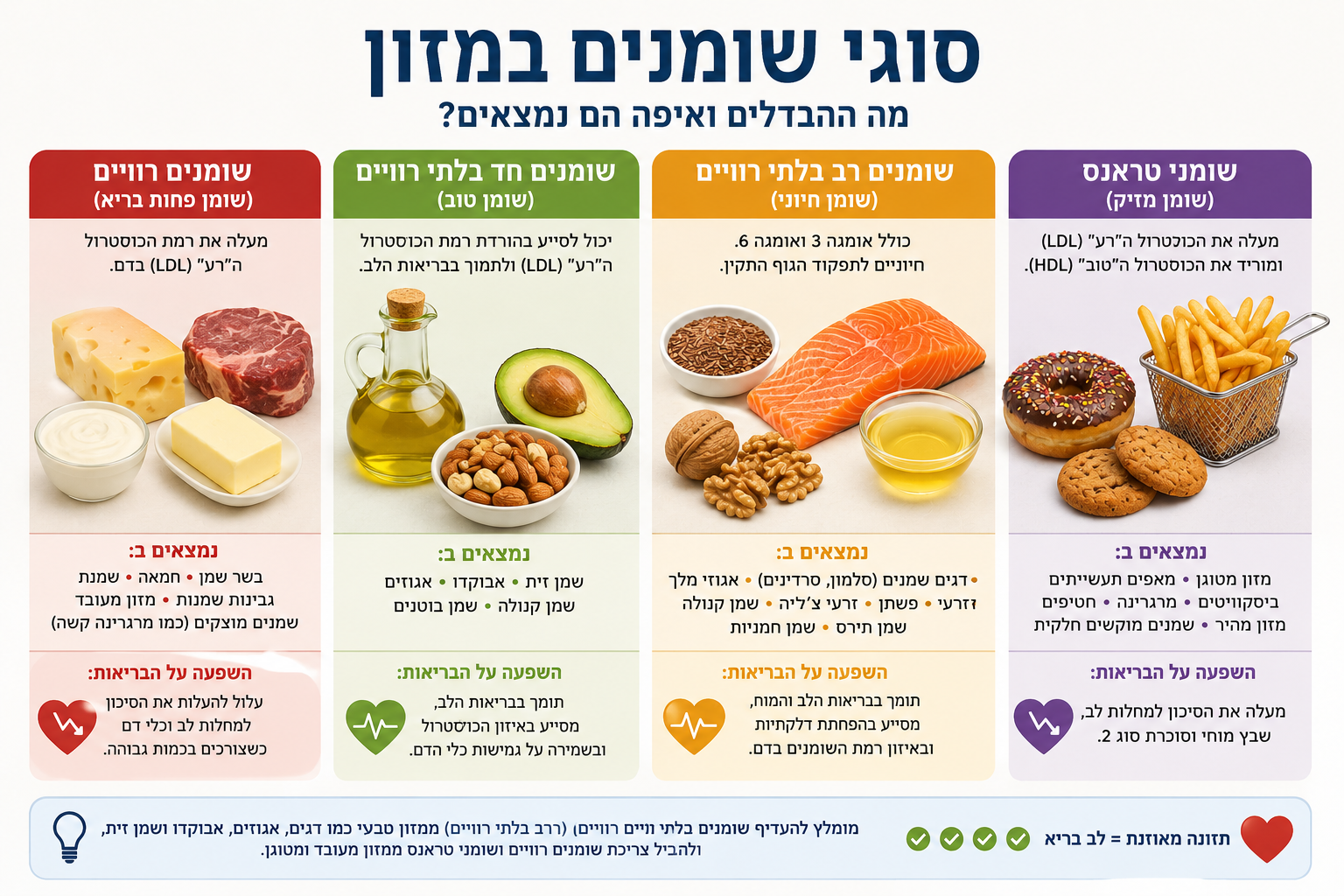
The difference between saturated fat, good fat, and omega
Not all fats are harmful. In fact, some are essential for health.
Saturated fat
Found mainly in:
- butter
- Fatty meat
- Fatty cheeses
- Processed food
Excessive consumption of it may increase LDL cholesterol.
Monounsaturated fat
Found in:
- avocado
- olive oil
- nuts
Considered healthier for the heart.
Omega – polyunsaturated fat
Helps with blood vessel and brain health and is considered one of the most important fatty acids.
What foods are rich in omega-3?
The best way to get omega-3 is through a natural, balanced diet.
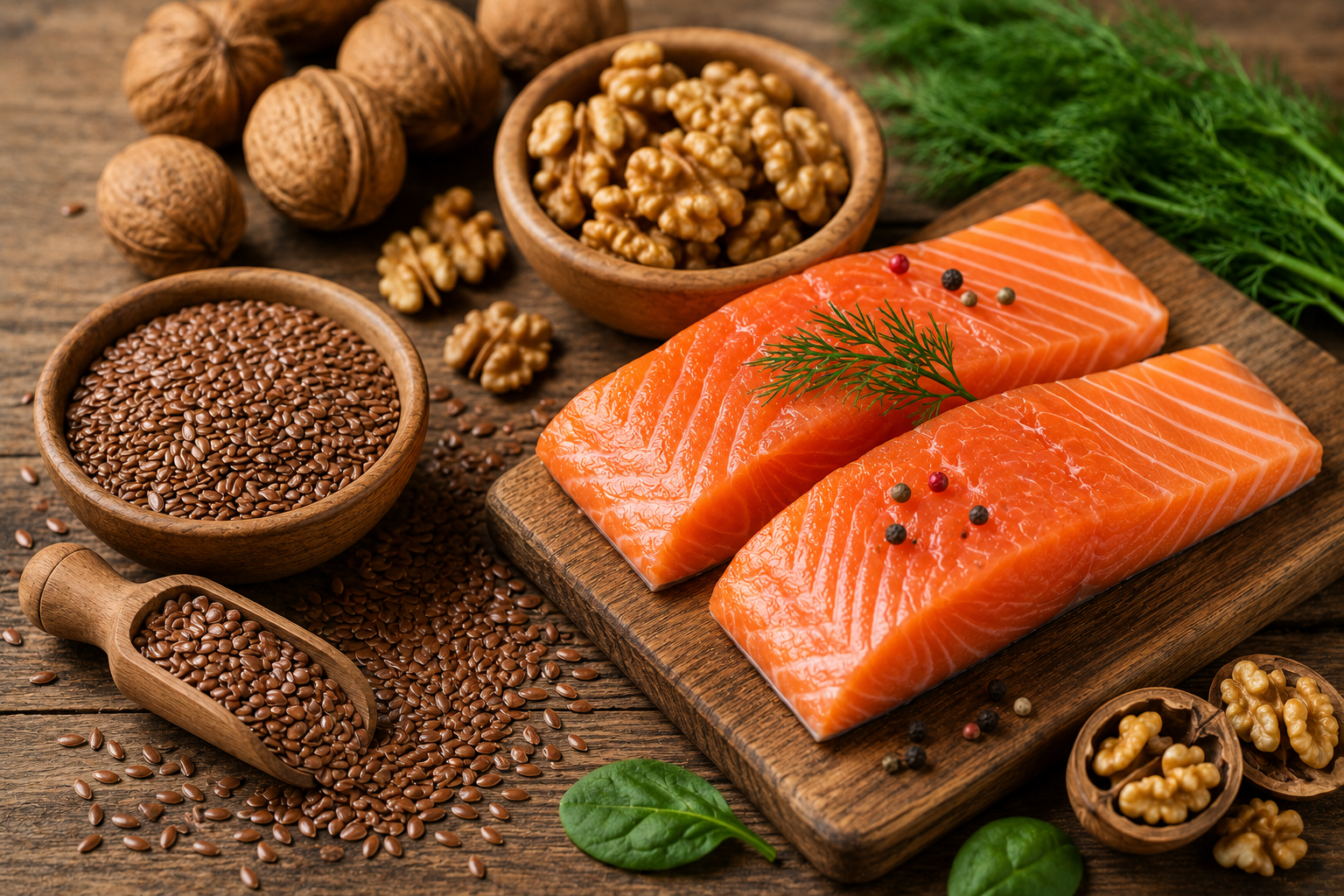
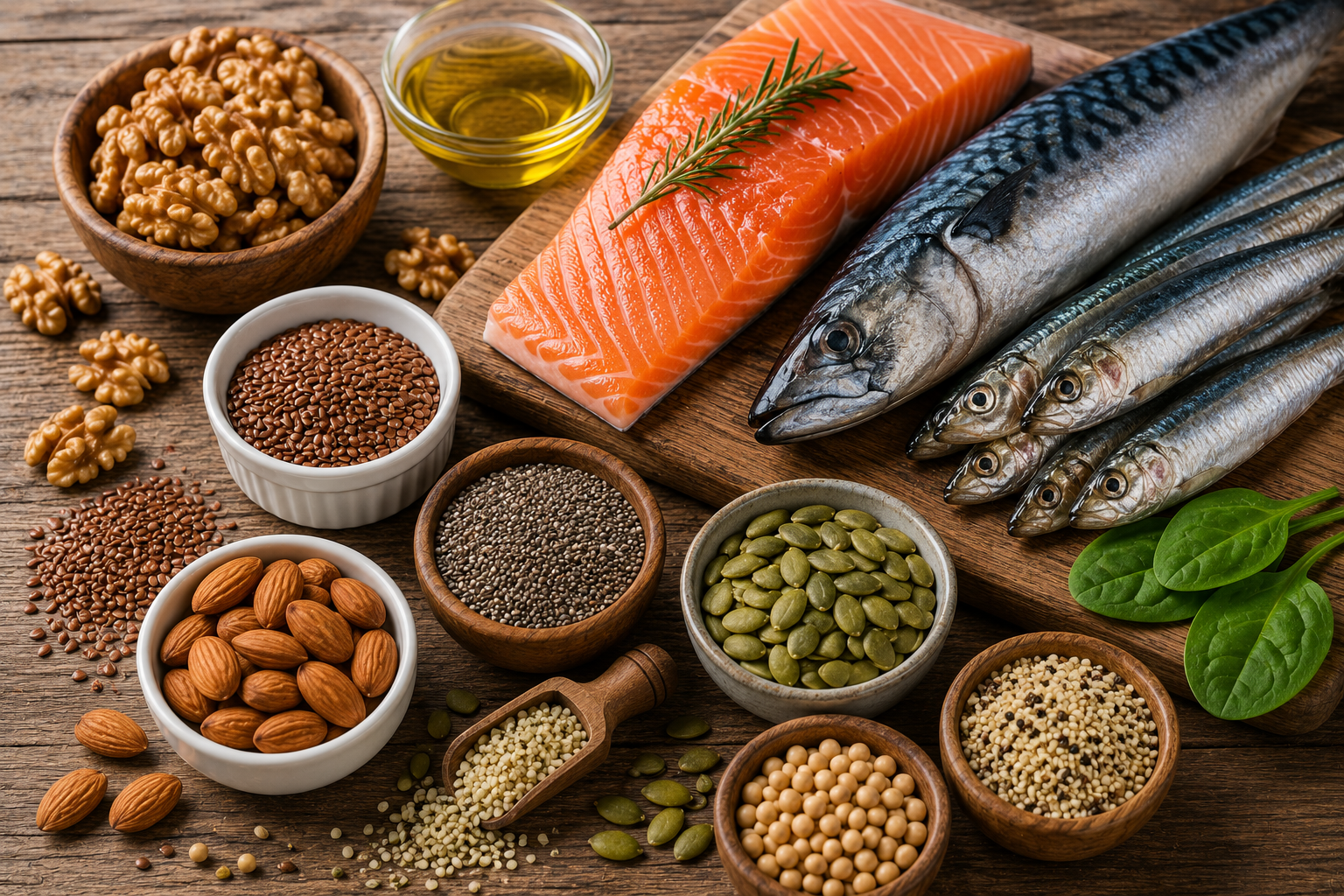
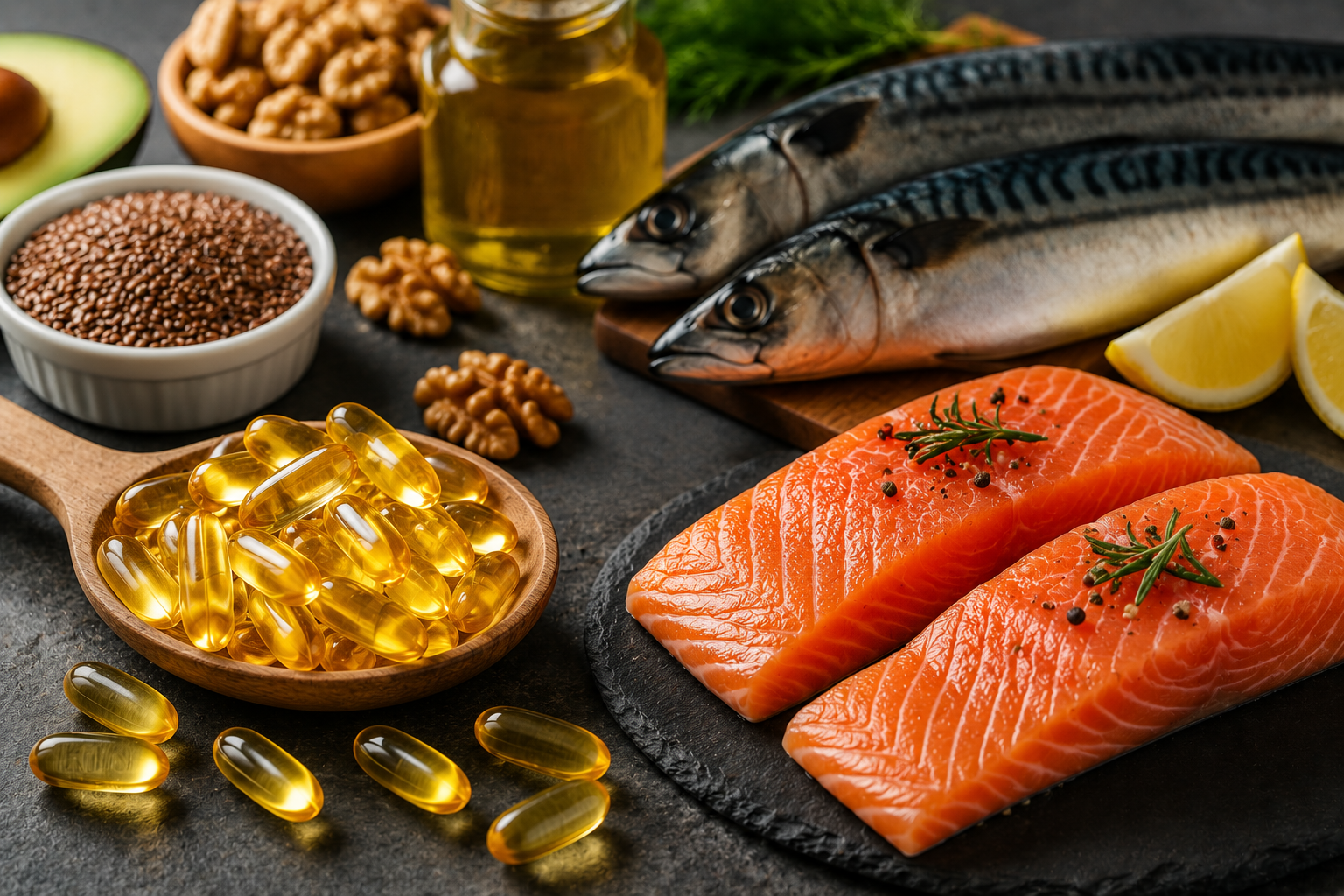
Excellent sources of omega:
Oily fish
- salmon
- Sardines
- mackerel
- herring
- trout
Plant sources
- Flax seeds
- walnuts
- Chia seeds
- Canola oil
Green vegetables
- spinach
- Kyle
- More green leaves
It is recommended to include fish in the menu at least twice a week.
Omega 3 and heart health
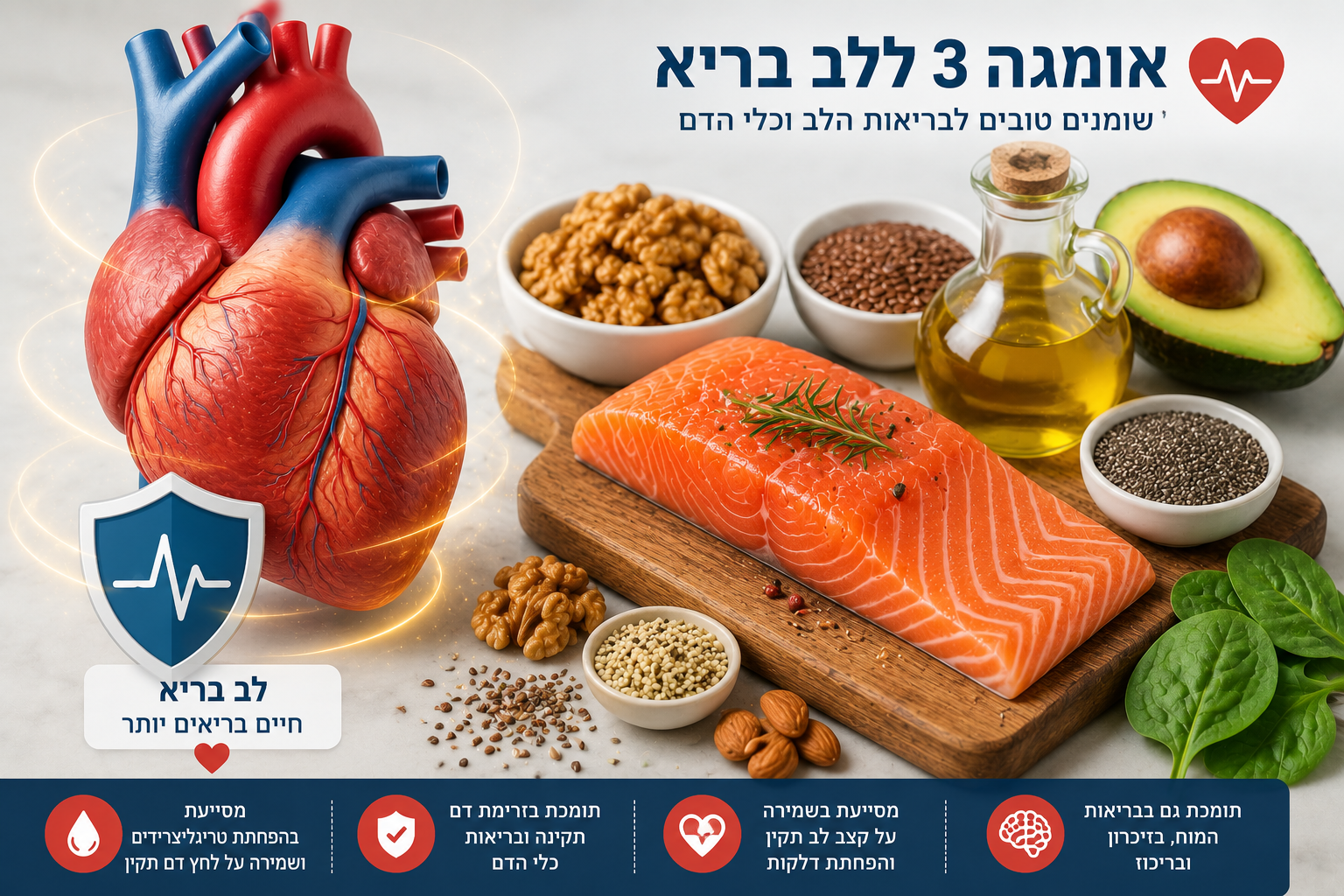
One of the most researched areas is the relationship between omega-3 and heart health.
Studies suggest that omega may help with:
- Reducing triglycerides
- Improving blood circulation
- Reducing inflammation
- Supporting a normal heart rhythm
- Reducing the risk of heart disease
In addition, it has been found that people who eat fish regularly have a lower risk of cardiovascular disease.
What is the difference between Omega 3 and Omega 6?
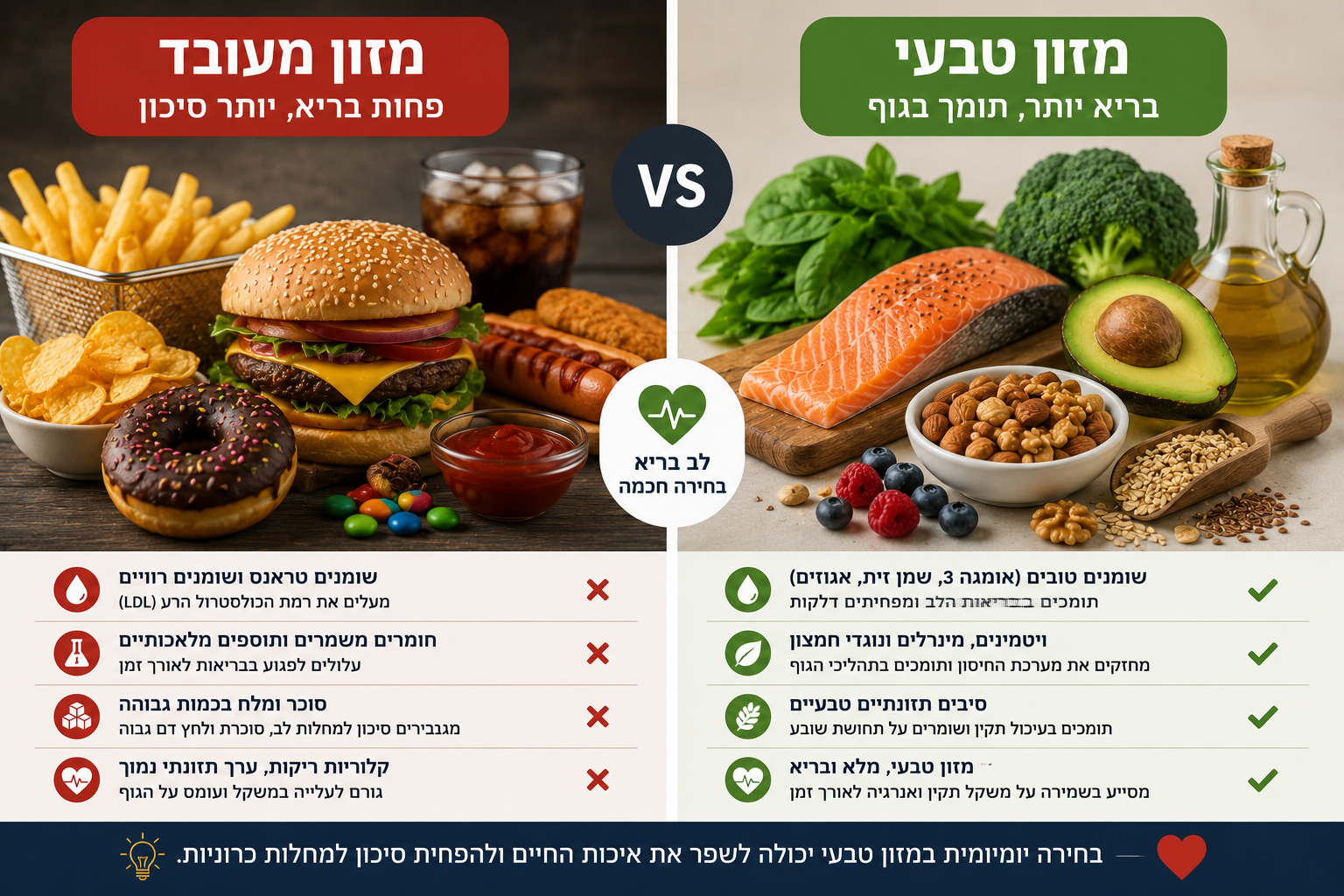
Omega-6 is also an essential fatty acid, but in the modern world, most people consume far too much of it.
Omega 6 is mainly found in:
- Corn oils
- Soybean oil
- Fried food
- Processed snacks
When the ratio of omega-6 to omega-3 is too high, it may encourage inflammation in the body.
Therefore, it is important not only to add omegas, but also to reduce processed foods and harmful oils.
Is it worth taking omega 3 supplements?
In some cases, nutritional supplements can help – especially for people who don’t eat fish.
Common plugins:
- Fish oil
- Krill oil
- Plant-based omega from algae
However, it is better to get most of your nutrients from the food itself.
Before starting a supplement, it is recommended to consult a doctor, especially if you are taking blood-thinning medication.
What dietary habits support heart health?
Omega is just part of a bigger picture of a healthy lifestyle.
It is recommended to combine:
- Lots of vegetables and fruits
- Whole grains
- Drinking water
- Daily physical activity
- Reducing fried foods
- Reducing sugar and processed foods
The Mediterranean diet is also considered particularly effective for heart health.
What do the studies say about Omega 3?
Large studies conducted over the years have found a link between fish and omega consumption and a reduced risk of heart disease.
Notable findings:
- People who ate fish once or twice a week had a lower risk of sudden death from heart disease.
- A Mediterranean diet rich in omega- 3 has been linked to a reduction in recurrent heart attacks.
- Omega may also help balance blood lipids.
However, it is important to understand that Omega 3 is not a “magic bullet” – but rather part of an overall healthy lifestyle.
Summary
Omega is one of the most important fatty acids for the body, especially for the health of the heart, brain and blood vessels.
A combination of oily fish, nuts, seeds, and a balanced diet can help maintain health and reduce many risk factors.
Additionally, reducing processed foods and trans fats is equally important.
The best way to maintain your body is to combine proper nutrition, exercise, and healthy habits over time.
New news and research on Omega 3: What was discovered in 2026?
New studies from 2026 continue to examine the impact of omega-3s on heart, brain, and blood vessel health. Some findings reinforce the importance of essential fatty acids, while others raise questions about the effectiveness of dietary supplements in preventing disease.
Do fish oil supplements really protect the brain?
A clinical study published in October 2026 in the journal eBioMedicine examined the effect of DHA supplements on brain health in 365 adults aged 55–80 who were found to be at increased risk of Alzheimer’s. Clinical study on the effect of DHA supplements on brain health .
Participants received 2,000 mg of DHA per day or a placebo for two years. Although DHA levels in the fluid surrounding the brain increased during the study, the researchers found no significant improvement in memory or protection against shrinkage of the hippocampus, an area of the brain important for memory processes.
The findings emphasize that despite the importance of omega-3 for proper brain function, taking high-dose supplements does not guarantee protection against cognitive decline.
Omega-3 and heart health: Not all supplements are the same
A scientific review published in October 2026 in the journal Cardiovascular Drugs and Therapy examined the effect of different types of omega on cardiovascular health. Scientific review on omega-3 and cardiovascular disease prevention .
The researchers found that the effect depends on the type of fatty acid, the dose, and the person’s medical condition. While some preparations have not shown a significant benefit in preventing heart disease, EPA-based drug therapy has been found to be effective in certain high-risk patient groups.
Research Breakthrough: A New Compound Inspired by Omega-3
In October 2026, researchers from the University of Alberta in Canada reported on an experimental compound called SA-22, based on the structure of an active molecule derived from omega-3 fatty acids.
In laboratory tests, the compound was found to help protect heart muscle cells from damage related to oxygen deprivation and reoxygenation. Researchers examined its effect on mitochondrial function and a protein called SIRT3. New research from the University of Alberta on an experimental compound inspired by omega-3 .
It is important to emphasize that this is early laboratory research, not an approved medical treatment.
What should you remember?
The new findings reinforce the importance of a balanced diet that includes fish, nuts, and seeds as sources of omega-3. However, omega supplements are not necessary for everyone, and their effectiveness depends on health status, dosage, and type of supplement.
Before starting a high-dose supplement, especially for people taking medication or suffering from heart disease, it is recommended to consult a doctor.