
כולסטרול הוא אחד המונחים הכי מוכרים בעולם הבריאות – אבל גם אחד המבלבלים ביותר. מצד אחד הגוף זקוק לו כדי לייצר הורמונים ותאים, ומצד שני רמות גבוהות שלו עלולות להוביל למחלות לב, שבץ ובעיות בכלי הדם.
בשנים האחרונות יותר ויותר אנשים מגלים בבדיקות הדם שיש להם כולסטרול גבוה, גם אם הם מרגישים בריאים לחלוטין. החדשות הטובות? במקרים רבים אפשר לשפר משמעותית את המצב באמצעות תזונה נכונה, פעילות גופנית ושינויים באורח החיים.
בכתבה הזו תגלו מה ההבדל בין כולסטרול טוב לרע, אילו ערכים נחשבים מסוכנים, ומה באמת כדאי לאכול כדי לשמור על הלב וכלי הדם.
מה זה כולסטרול ולמה הגוף צריך אותו?
כולסטרול הוא חומר שומני שמיוצר בעיקר בכבד, והוא חיוני לתפקוד תקין של הגוף.
הוא משתתף בייצור:
- הורמונים כמו אסטרוגן וטסטוסטרון
- ויטמין D
- קרומי תאים
- חומצות מרה המסייעות לעיכול
כ-80% מהכולסטרול מיוצר בגוף, והשאר מגיע מהמזון שאנחנו אוכלים – בעיקר ממוצרים מן החי כמו בשר, ביצים ומוצרי חלב.
הבעיה מתחילה כאשר רמות הכולסטרול בדם עולות מעבר לנדרש.
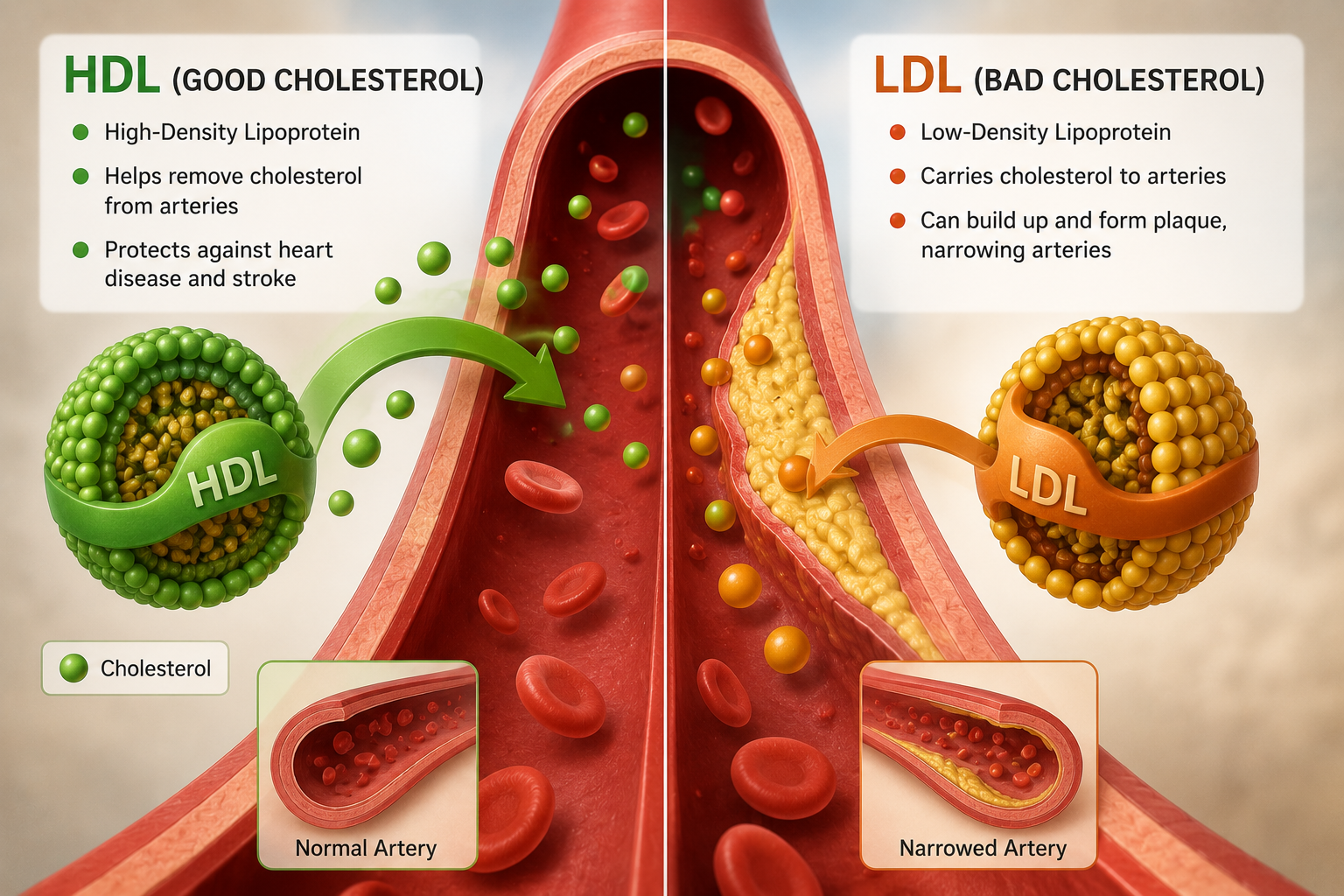
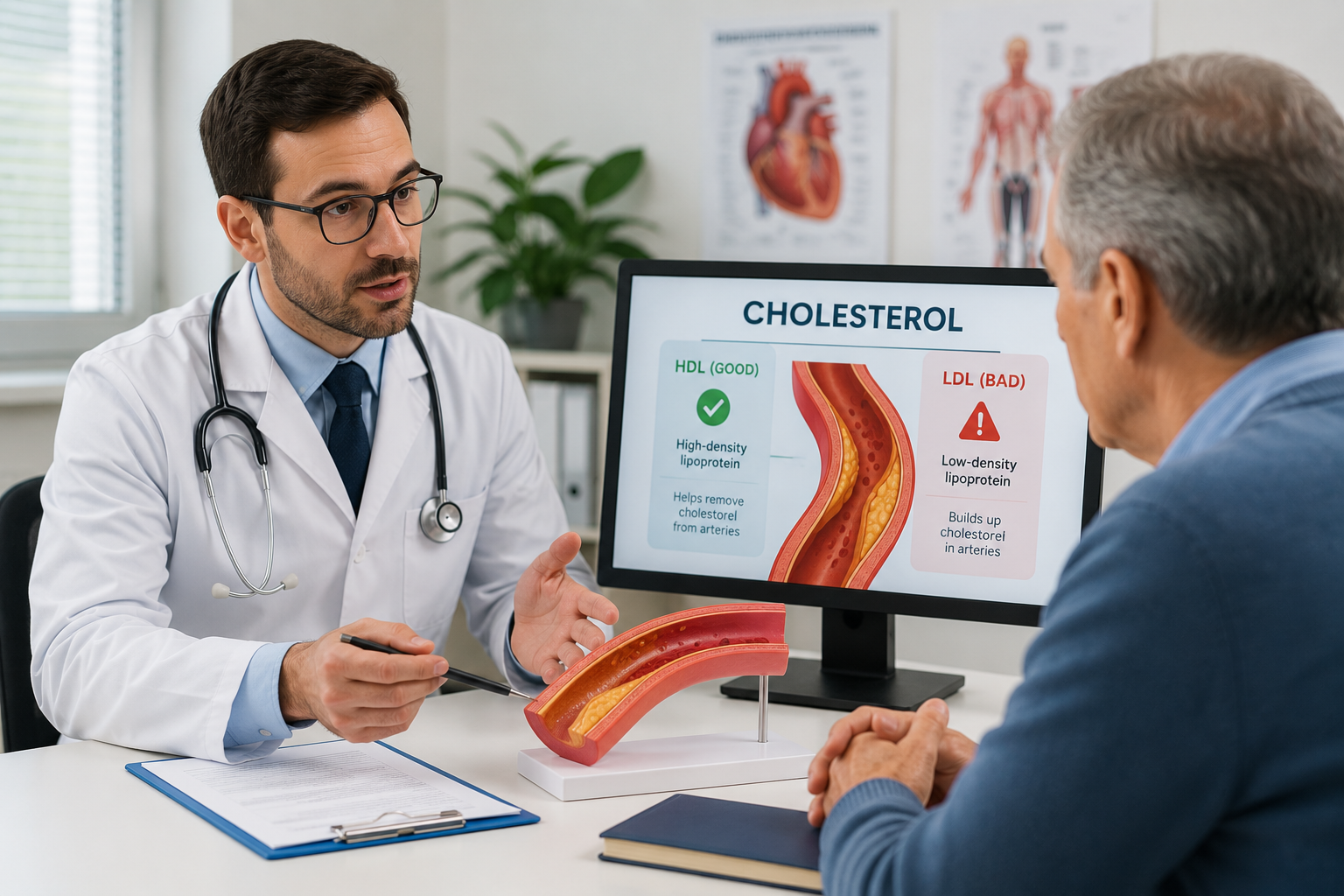
מה ההבדל בין LDL ל-HDL?
לא כל כולסטרול הוא “רע”. למעשה, קיימים כמה סוגים שונים של שומנים בדם.
LDL – הכולסטרול “הרע”
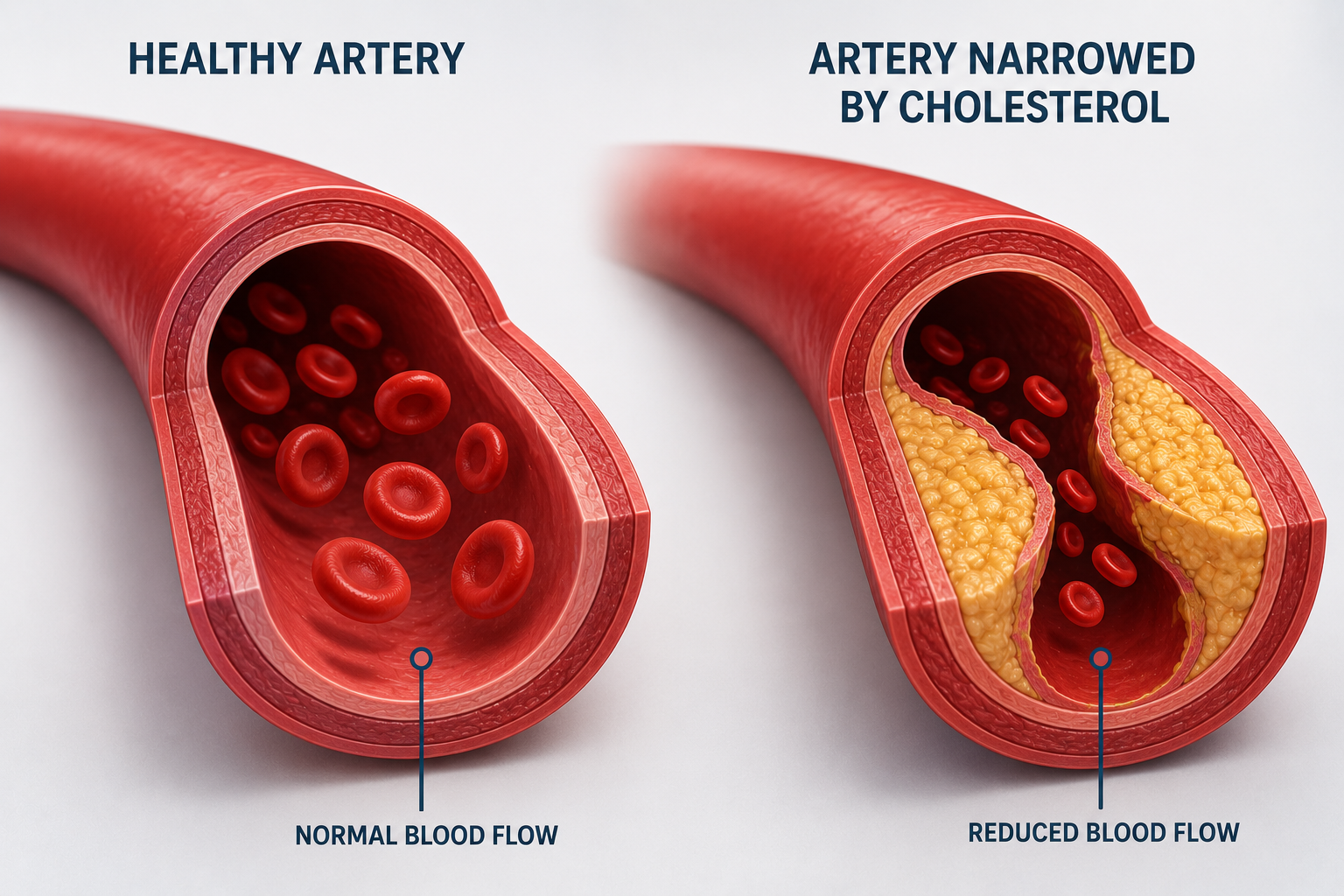
LDL נחשב לכולסטרול המזיק משום שהוא עלול להצטבר בדפנות העורקים וליצור פלאק שומני.
עם הזמן העורקים נעשים צרים יותר – מצב שעלול לגרום ל:
- התקף לב
- שבץ מוחי
- מחלות כלי דם
HDL – הכולסטרול “הטוב”
HDL מסייע בפינוי עודפי כולסטרול מהדם אל הכבד, ולכן הוא נחשב מגן על הלב.
ככל שרמת HDL גבוהה יותר – כך הסיכון למחלות לב קטן יותר.
טריגליצרידים
אלה שומנים נוספים בדם שעלולים להעלות סיכון למחלות לב כאשר רמתם גבוהה.
מהם ערכי הכולסטרול התקינים?
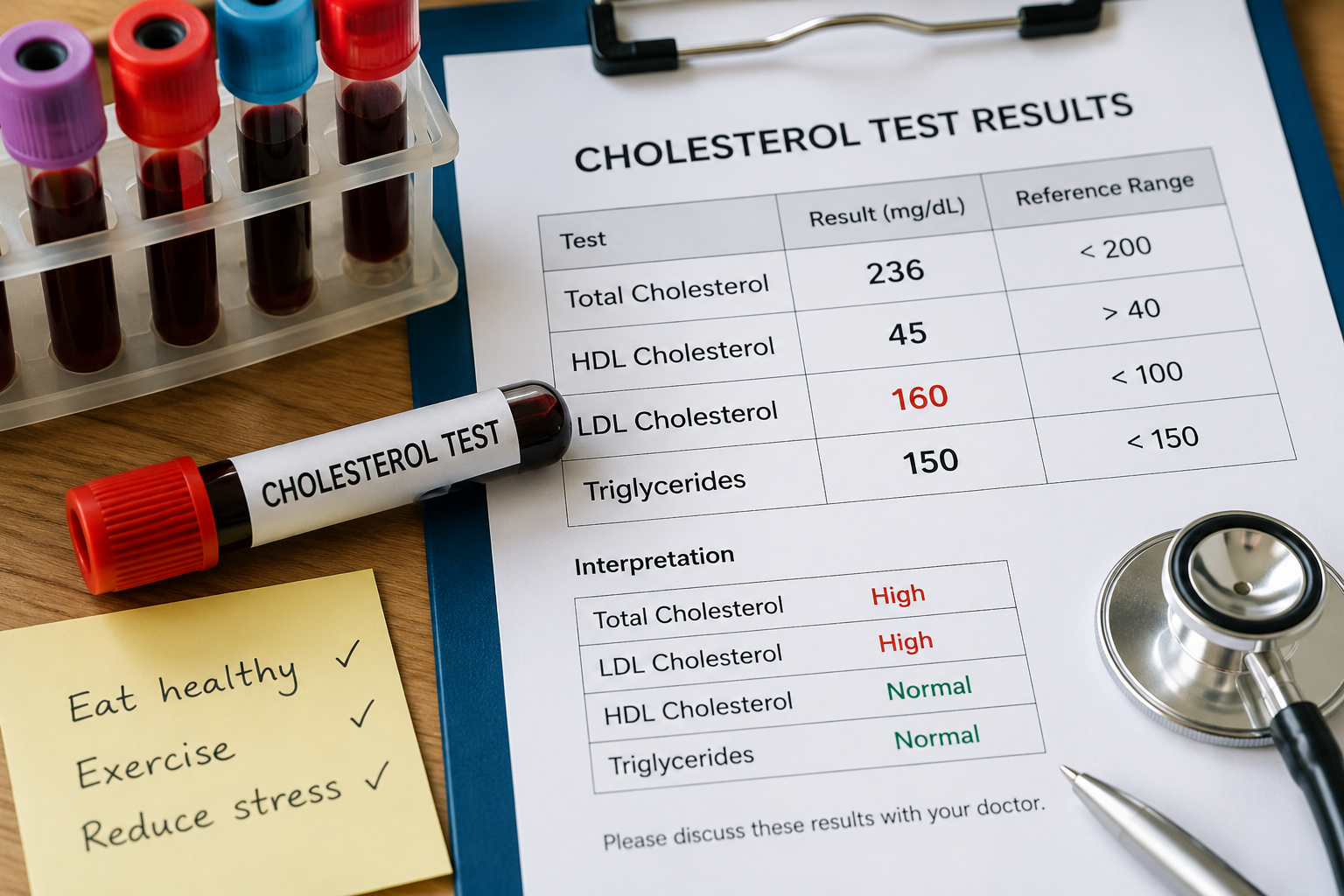
בדיקת דם פשוטה יכולה למדוד את רמות הכולסטרול והטריגליצרידים.
ערכים מומלצים:
כולסטרול כללי
- מתחת ל-200 – תקין
- 200–239 – גבולי
- מעל 240 – גבוה
LDL
- מתחת ל-100 – אידיאלי
- 130–159 – גבולי גבוה
- מעל 190 – גבוה מאוד
HDL
- פחות מ-40 – נמוך
- מעל 60 – נחשב טוב ומגן
רופא המשפחה יבחן את התוצאות בהתאם לגיל, היסטוריה רפואית וגורמי סיכון נוספים.
איך כולסטרול גבוה פוגע בגוף?
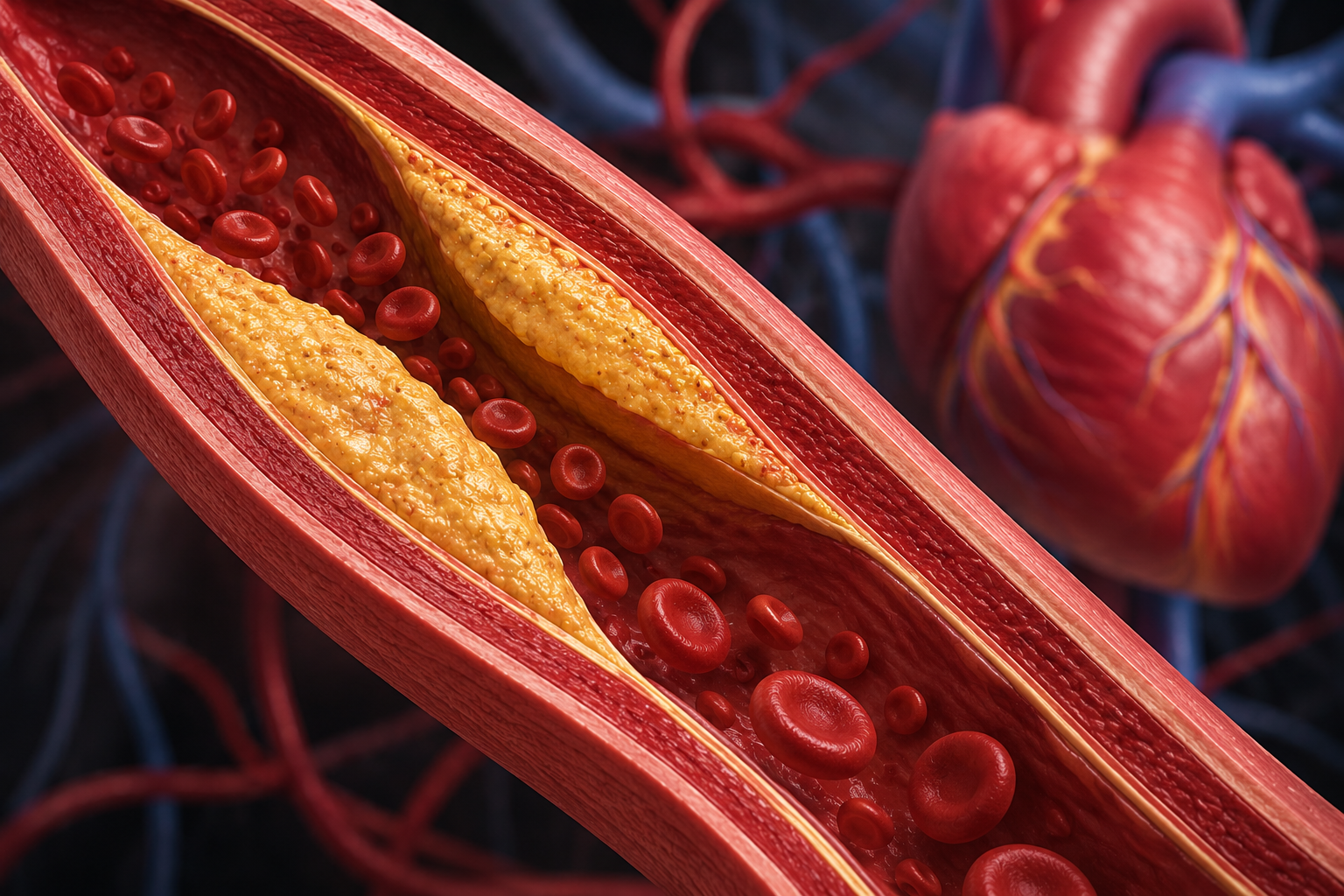
כאשר יש יותר מדי כולסטרול בדם, הוא מתחיל להצטבר בדפנות כלי הדם.
התהליך הזה נקרא טרשת עורקים.
מה עלול לקרות?
מחלות לב
העורקים שמספקים דם ללב נעשים צרים יותר.
שבץ מוחי
כאשר זרימת הדם למוח נפגעת.
כאבי רגליים בזמן הליכה
מצב הנגרם בגלל זרימת דם ירודה לרגליים.
במקרים מסוימים אין תסמינים כלל – ולכן כולסטרול גבוה מכונה לעיתים “הרוצח השקט”.
אילו מזונות יכולים לעזור בהורדת כולסטרול?
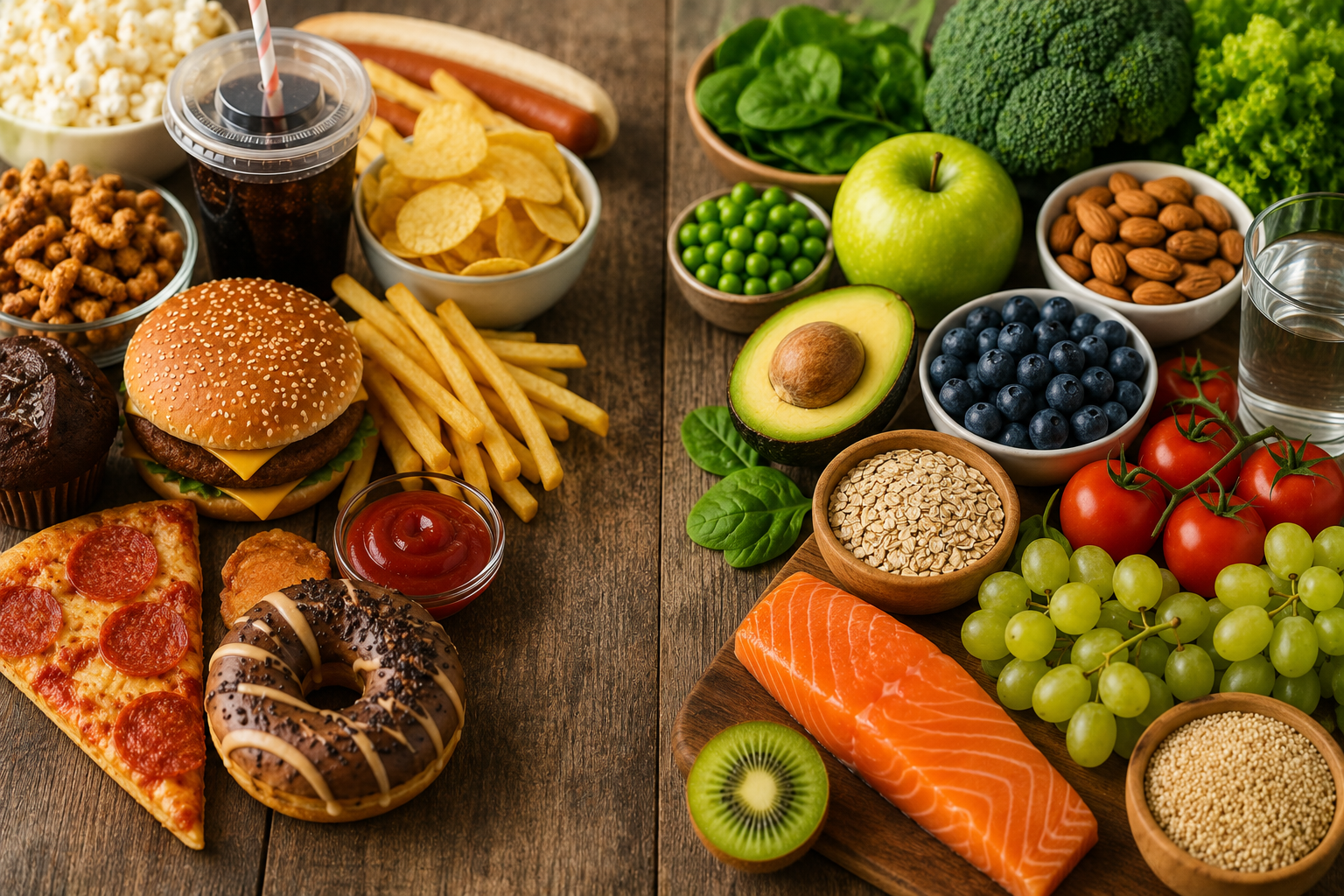
לתזונה יש השפעה עצומה על רמות השומנים בדם.
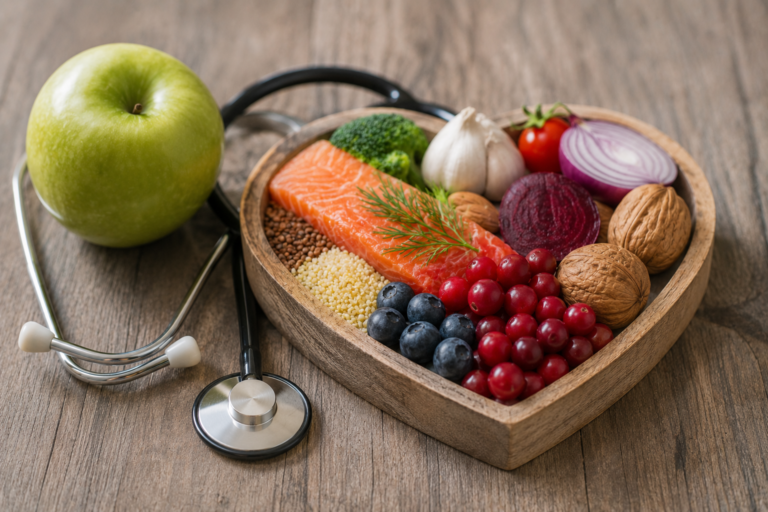
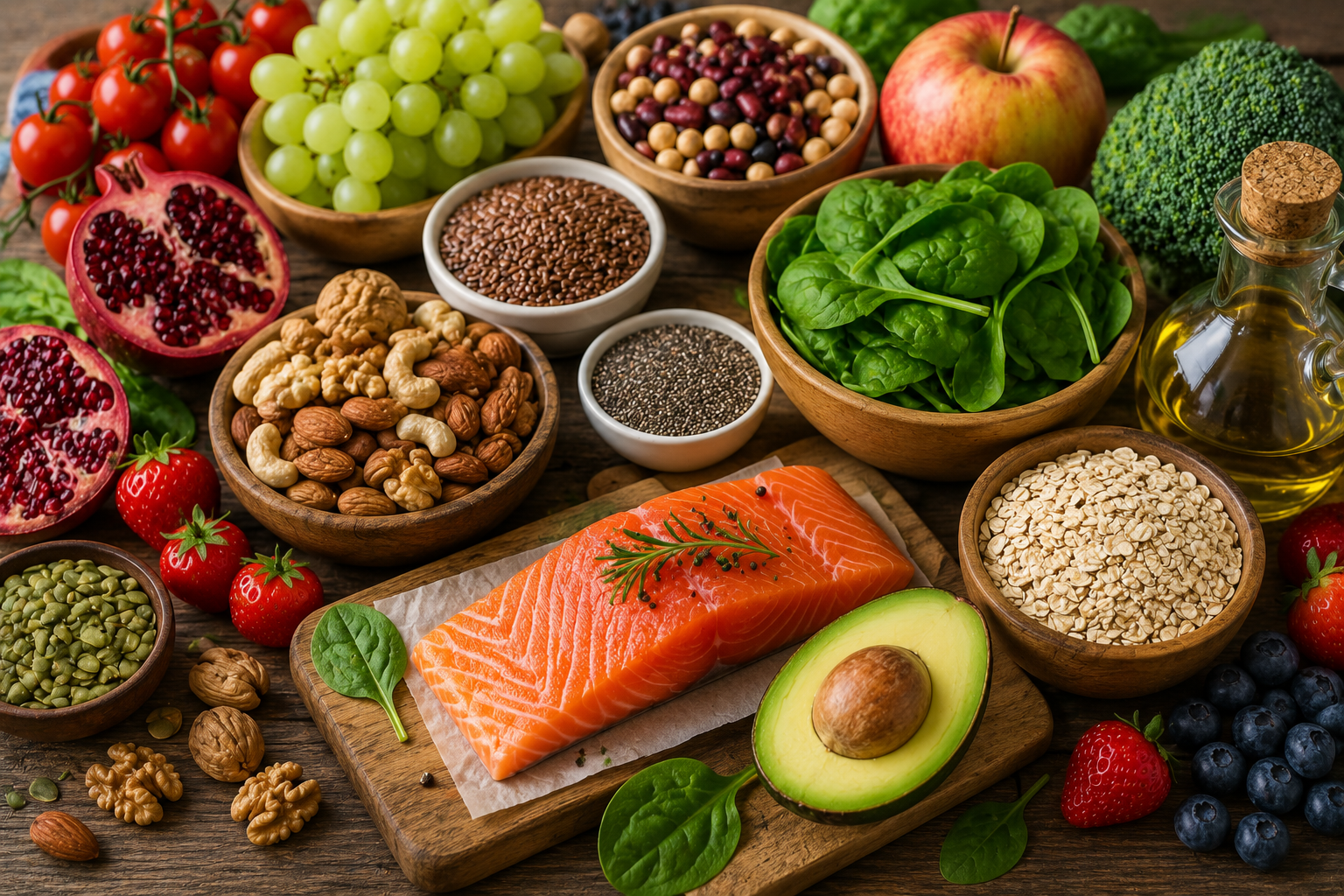
מזונות מומלצים במיוחד:
Oats and dietary fiber
Soluble fiber helps reduce LDL.
Oily fish
Like salmon, mackerel and sardines – rich in omega-3.
Nuts and almonds
Helps heart health when consumed in moderation.
olive oil
An excellent substitute for saturated fats.
Fruits and vegetables
Especially apples, pears, and green leaves.
What foods should you avoid?
It is recommended to reduce:
- Fried food
- Margarine and trans fat
- Sausages and processed meats
- High-fat dairy products
- Industrial pastries
- Fast food
High sugar intake can also raise triglycerides and harm heart health.
A lifestyle change can make a big difference
It’s not just diet that affects cholesterol.
Physical activity
Walking, swimming, cycling, or strength training can:
- Raise HDL
- Reduce LDL
- Improve blood circulation
- Help with weight loss
Quitting smoking
Smoking damages blood vessels and significantly increases the risk of heart disease.
Weight loss
Even a small weight loss can significantly improve your blood lipid profile.

What medications are available to lower cholesterol?
When dietary changes are not enough, doctors may recommend medication.
Statins
The most common medications for lowering LDL.
They also help reduce the risk of heart attack and stroke.
Additional medications:
- Niacin
- Fibrates
- Bile acid sequestrants
- Advanced biological treatments
Treatment is individually tailored according to medical condition, age, and risk factors.
When should you have a cholesterol test?
Most adults are advised to have periodic blood tests, especially if they have:
- Family history of heart disease
- High blood pressure
- diabetes
- Overweight
- Smoking
Early screenings can prevent serious health problems in the future.
Summary
Cholesterol is an essential part of the body, but when its levels rise, it can become dangerous.
Proper nutrition, exercise, quitting smoking, and maintaining a healthy weight can significantly improve cardiovascular health.
In some cases, drug treatment is also necessary, so it is important to perform periodic tests and consult a doctor.
The good news is that even small changes in daily habits can make a big difference over time.
New news and research on cholesterol: What was discovered in 2026?
The year 2026 brought with it important updates in the field of cardiovascular health. New studies and updated medical guidelines emphasize that cholesterol treatment is not just about testing LDL levels, but requires addressing the full range of risk factors for each individual.
New guidelines in the United States: A change in the approach to cholesterol treatment
In March 2026, the American Heart Association (AHA) and the American College of Cardiology (ACC) published new guidelines for the management of lipid disorders . The guidelines replace the 2018 recommendations and present an updated approach to assessing cardiovascular disease risk.
Among the main changes:
- It is recommended to check the level of lipoprotein(a), known as Lp(a), at least once in your lifetime.
- Use of ApoB testing in appropriate cases to assess cardiovascular risk.
- Adjusting LDL targets to the degree of personal risk for heart disease.
- Wider use of coronary artery calcium (CAC) testing in cases where additional risk assessment is required.
This means that even people whose cholesterol levels appear reasonable on a regular blood test may need a more in-depth evaluation depending on their risk factors.
New study: Lowering LDL to lower levels may reduce cardiac events
In March 2026, the results of a study that examined the effect of lowering LDL to below 55 mg/dL, compared to a target of less than 70 mg/dL, among patients with atherosclerotic heart disease were presented at the American College of Cardiology (ACC) Scientific Conference.
According to the American College of Cardiology’s report on the study findings , the intensive care group recorded a decrease of about a third in significant cardiovascular events.
The findings support the approach that in patients at particularly high risk, a more significant reduction in HER may provide additional health benefit. It is important to emphasize that these findings pertain to the population with atherosclerotic heart disease, and not a blanket recommendation for everyone.
Breakthrough in treatment: New drug to lower cholesterol via pill
Clinical studies from 2026 tested an experimental drug called Enlicitide, which inhibits the PCSK9 protein and affects its effectiveness.