
השמש היא אחד הגורמים החשובים ביותר לבריאות הגוף, אך כמו בהרבה דברים בחיים, גם כאן חשוב לשמור על איזון. מצד אחד, חשיפה מבוקרת לשמש מסייעת לגוף לייצר ויטמין D, אך מצד שני, חשיפה מוגזמת עלולה לגרום לנזק לעור ואף להעלות את הסיכון למחלות עור.
אז כמה חשיפה לשמש באמת נחוצה? ואיך אפשר ליהנות מהיתרונות של השמש מבלי לסכן את הבריאות? במאמר זה נסביר את כל מה שחשוב לדעת.
למה ויטמין D חשוב כל כך לגוף?
ויטמין D הוא רכיב חיוני שממלא תפקידים רבים בגוף האדם:
- מסייע בספיגת סידן ובשמירה על עצמות חזקות
- תומך במערכת החיסון
- משפיע על פעילות מערכת העצבים
- תורם לתפקוד תקין של השרירים
מחסור בוויטמין D עלול לגרום לעייפות, חולשת שרירים ואף לבעיות בעצמות לאורך זמן.
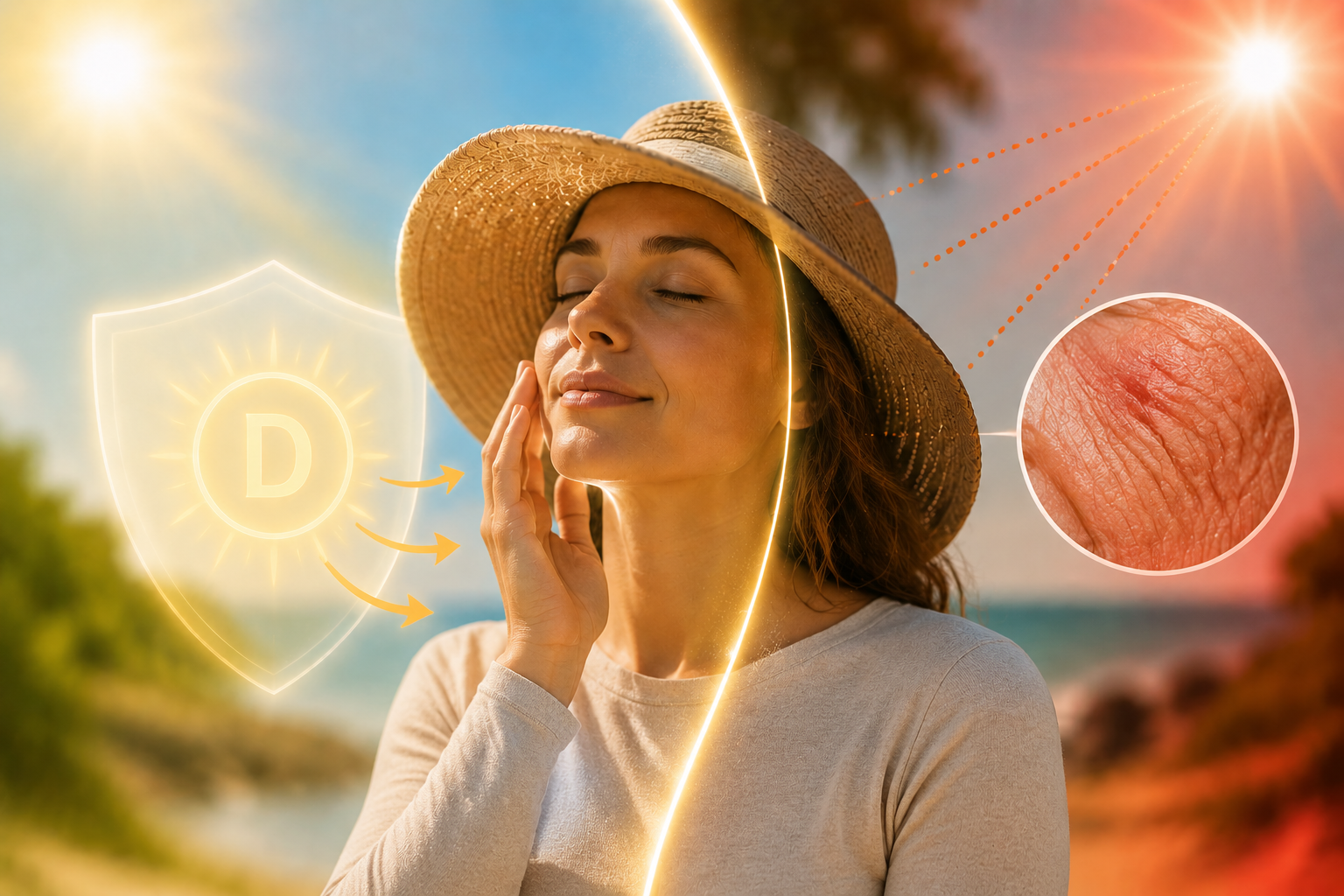
כמה חשיפה לשמש דרושה כדי לייצר ויטמין D?
מחקרים מראים כי עבור רוב האנשים, חשיפה של:
- 5–30 דקות לשמש
- מספר פעמים בשבוע
- במיוחד כאשר אזורים כמו הידיים והרגליים חשופים
עשויה להספיק לייצור ויטמין D.
עם זאת, אין כמות אחת של חשיפה לשמש שמתאימה באופן מושלם לכולם.
גורמים המשפיעים על ייצור ויטמין D:
- גוון העור – עור כהה יותר עשוי להזדקק לזמן חשיפה ארוך יותר
- השעה ביום ועוצמת קרינת השמש
- עונות השנה
- המיקום הגיאוגרפי
💡 חשוב לדעת: שימוש בקרם הגנה מפחית את החשיפה לקרינה מזיקה, אך אינו חוסם לחלוטין את ייצור ויטמין D בגוף.

מתי חשיפה לשמש הופכת למסוכנת?
למרות היתרונות של השמש, חשוב להבין שחשיפה לא מבוקרת עלולה להזיק לבריאות.
סימנים לחשיפה מוגזמת לשמש:
- אדמומיות או כוויות שמש
- הופעת קמטים מוקדמת
- כתמי פיגמנטציה
- עלייה בסיכון לסרטן העור
ארגוני בריאות מזהירים כי אין רמה של קרינת UV שנחשבת בטוחה לחלוטין. לכן חשוב לנקוט אמצעי זהירות מתאימים.
איך להגן על העור ועדיין ליהנות מהשמש?
אפשר ליהנות מהשמש בצורה חכמה ובטוחה:
- למרוח קרם הגנה עם SPF 30 ומעלה.
- למרוח מחדש את קרם ההגנה כל שעתיים בזמן שהייה בחוץ.
- להימנע מחשיפה בשעות השיא, בדרך כלל בין 10:00 ל־16:00.
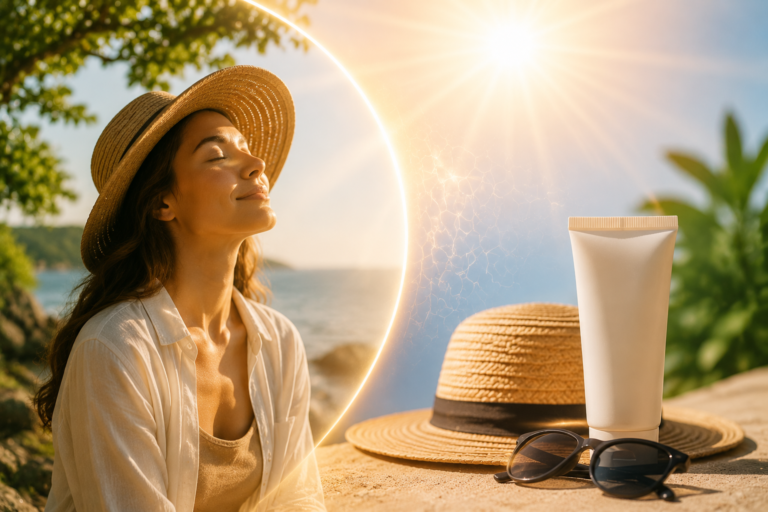
- לחבוש כובע ולהרכיב משקפי שמש.
- להעדיף שהייה בצל כאשר נמצאים בחוץ במשך זמן ממושך.
האם אני צריך לקחת תוספי ויטמין D?
במקרים מסוימים, במיוחד בחורף או אצל אנשים שנחשפים מעט לשמש, ייתכן שיהיה צורך בתוספי ויטמין D.
עם זאת:
- אין לקחת תוספים ללא צורך או המלצה מתאימה.
- עודף ויטמין D עלול להזיק.
- מומלץ להתייעץ עם רופא לפני שימוש קבוע בתוספים.
מקורות טובים נוספים לוויטמין D:
- דגים שמנים כמו סלמון, טונה ומקרל
- חלמון ביצה
- מוצרי חלב מועשרים
- סוגים מסוימים של פטריות
סיכום – חשיפה לשמש במידה הנכונה
השמש חיונית לבריאות, אך כמו בכל דבר, חשוב לשמור על איזון. חשיפה לשמש לזמן קצר ובצורה מבוקרת יכולה לסייע בייצור ויטמין D ולתרום לבריאות הכללית, בעוד שחשיפה מוגזמת עלולה לגרום לנזק מצטבר לעור.
👉 שמרו על איזון, השתמשו באמצעי הגנה מתאימים ואמצו שגרת חיים בריאה – והגוף שלכם יודה לכם.