

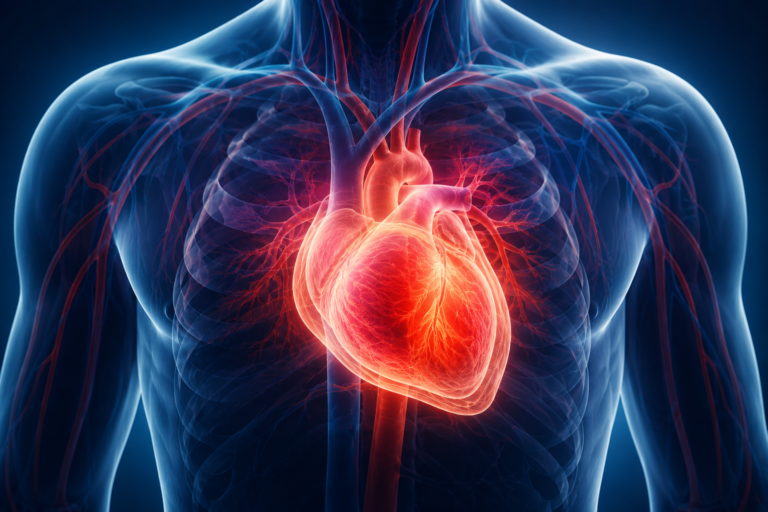
Sharp chest pain is always a sign that requires medical attention, but it is not always a heart attack. One condition that can cause sharp, stabbing pain in the chest area is acute pericarditis – an inflammation of the membrane that surrounds the heart.
Although the condition sometimes goes away on its own or responds well to treatment, in some cases it can lead to dangerous complications if not diagnosed and treated in a timely manner.
So what exactly is pericarditis, what are the symptoms to recognize, what factors may cause it, and what treatments currently exist? Here’s everything you need to know.
What is acute pericarditis?
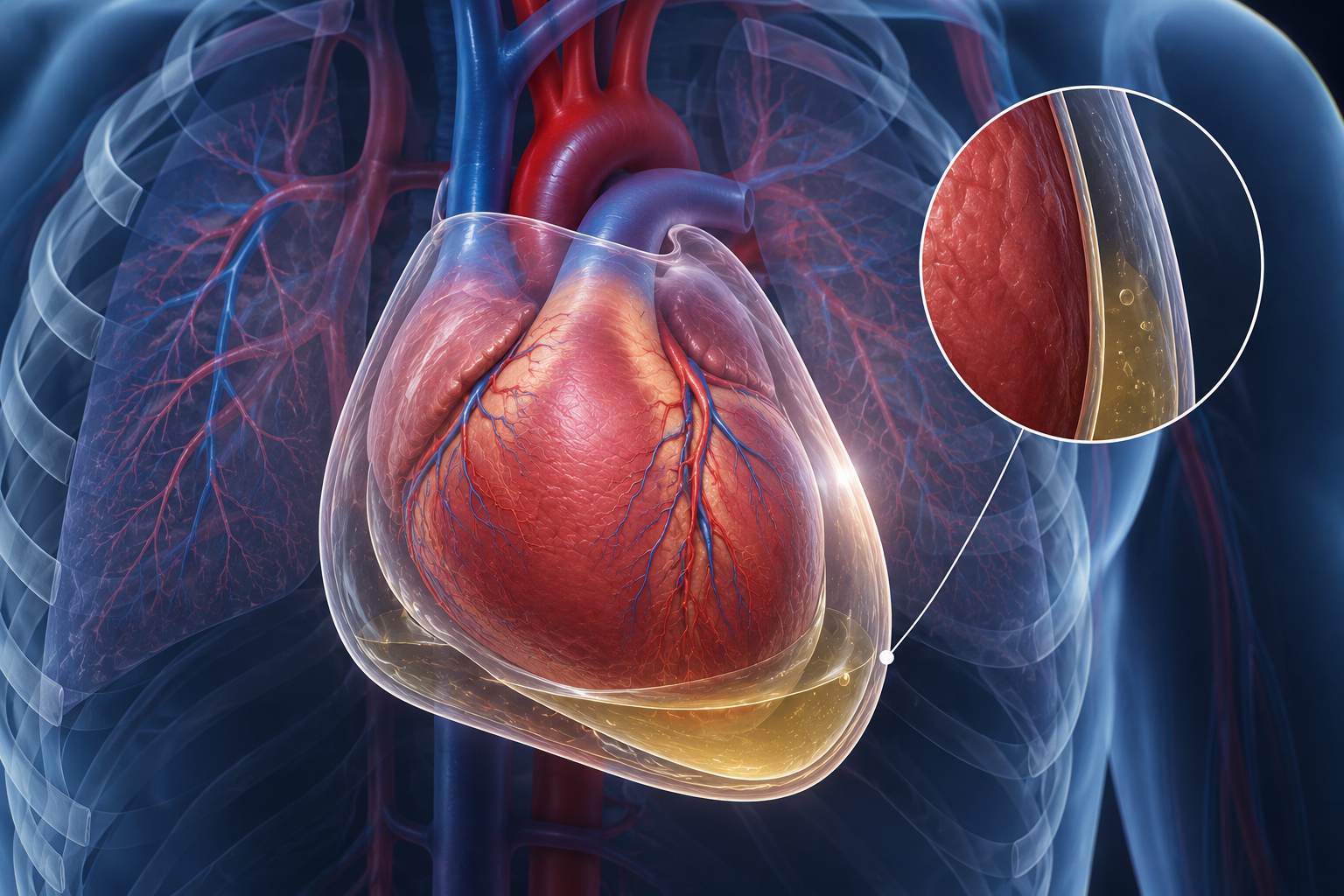
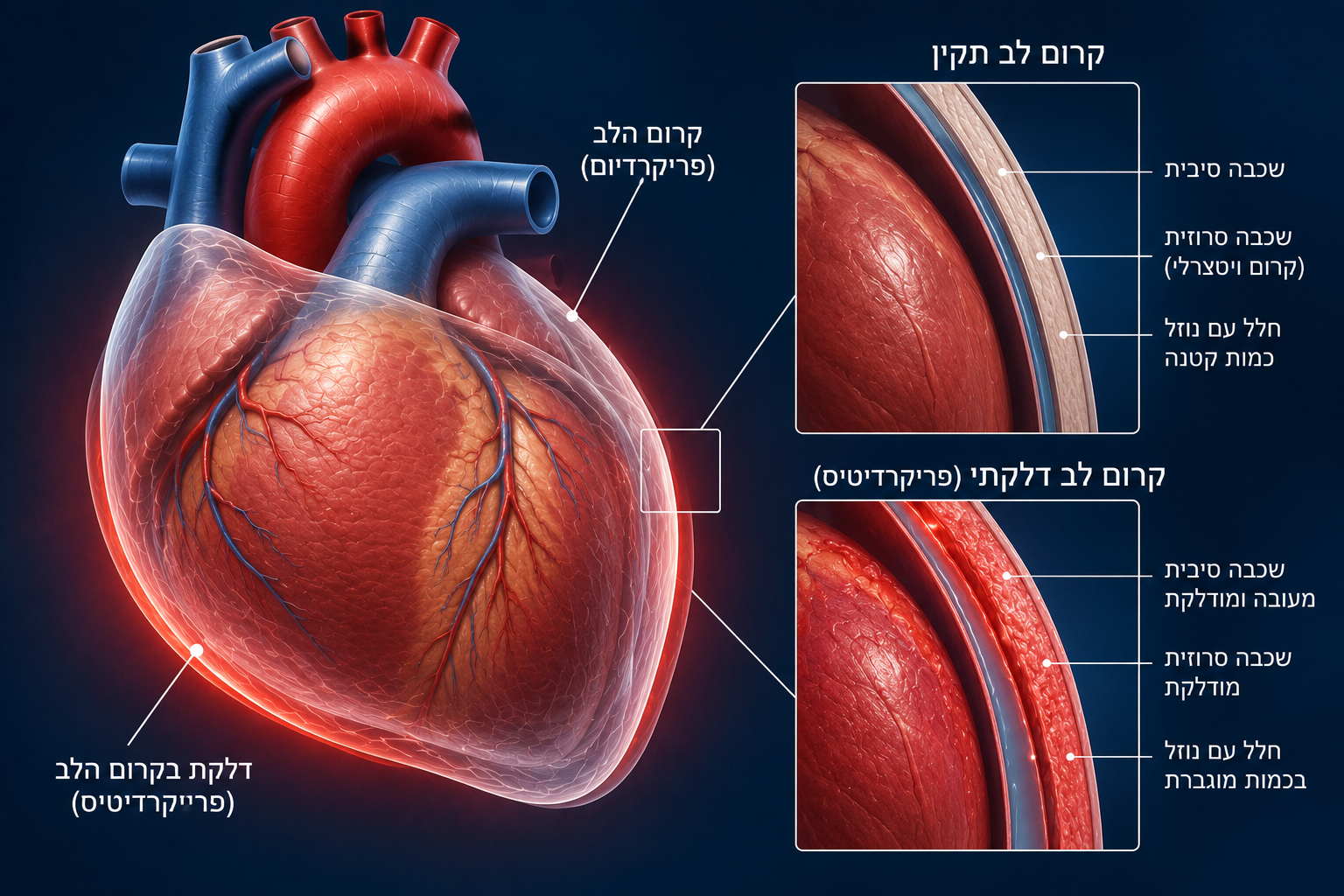
Our heart is surrounded by a thin, two-layered sac called the pericardium . Its function is to protect the heart and help it function properly.
When this membrane becomes inflamed, pericarditis develops.
Acute pericarditis:
- Appears suddenly
- Often causes sharp chest pain
- Usually lasts less than a month
In most cases it can be treated successfully, but sometimes it returns even after recovery.
What are the symptoms of pericarditis?
The most prominent symptom is chest pain, but there are also other signs.
Common symptoms:
- Sharp or stabbing pain in the chest
- Pain that worsens when lying down
- Pain relief when sitting or leaning forward
- dyspnea
- Rapid heartbeat
- Fatigue
- heat
- Muscle pain
- Dry cough
Especially important:
Sometimes the symptoms are very similar to a heart attack.
Therefore, in any situation of:
- Sudden chest pain
- Chest pressure
- dyspnea
Seek medical attention immediately.

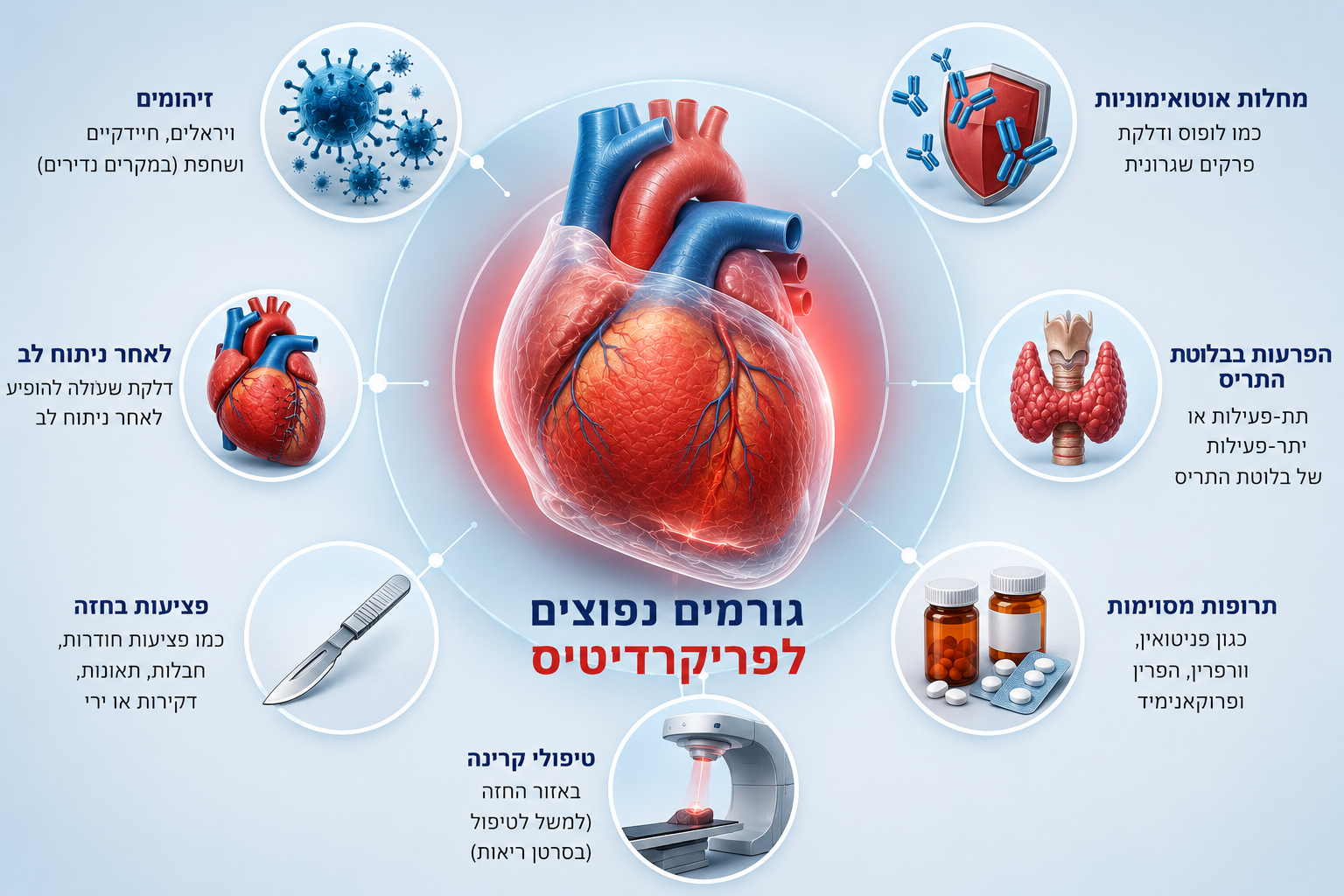
What causes acute pericarditis?
In some cases, no clear cause can be identified, but there are known factors that may trigger the inflammation.
Common causes:
Infections
- Viruses
- Bacteria
- Tuberculosis in rare cases
Autoimmune diseases
like:
- Lupus
- Rheumatoid arthritis
After heart surgery
Sometimes inflammation appears as part of the healing process.
Injuries to the chest area
for example:
- Accidents
- Bruises
- Penetrating injuries
Radiation treatments
Especially in the chest area.
Certain medications
There are medications that may trigger an inflammatory response in the pericardium.
How is pericarditis diagnosed?
The doctor will perform:
- Medical questioning
- physical examination
- Listening to the heart with a stethoscope
Additionally, additional tests may be recommended.
Common tests:
ECG
Tests the electrical activity of the heart.
Blood tests
To detect signs of inflammation in the body.
Chest X-ray
To check the condition of the heart and lungs.
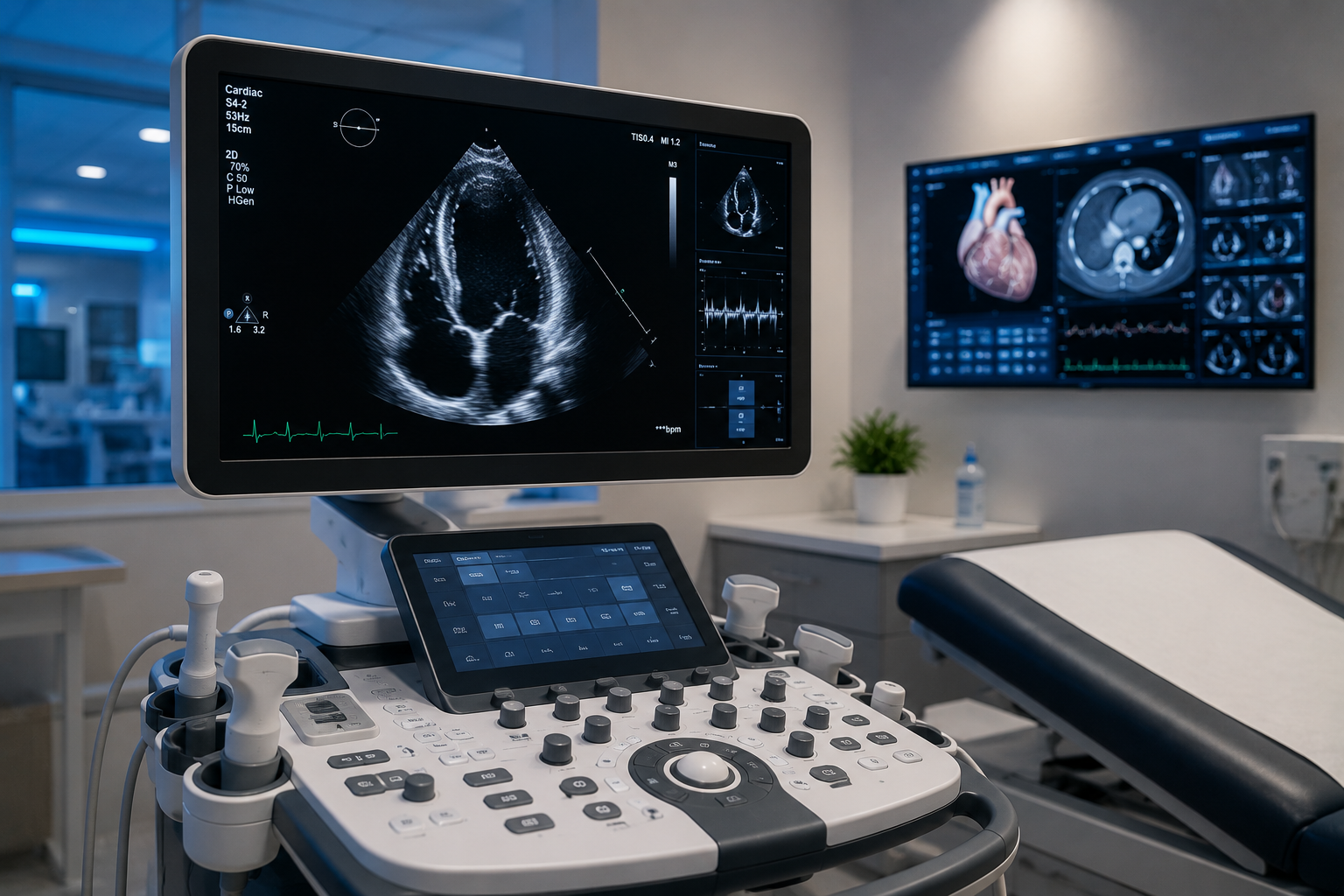
Echocardiogram
An ultrasound test that helps identify fluid around the heart.
MRI or CT of the heart
Advanced tests that accurately display the condition of the pericardium.
How is acute pericarditis treated?
The goal of treatment is:
- Reduce pain
- Reduce inflammation
- Prevent complications
- Reduce risk of recurrence
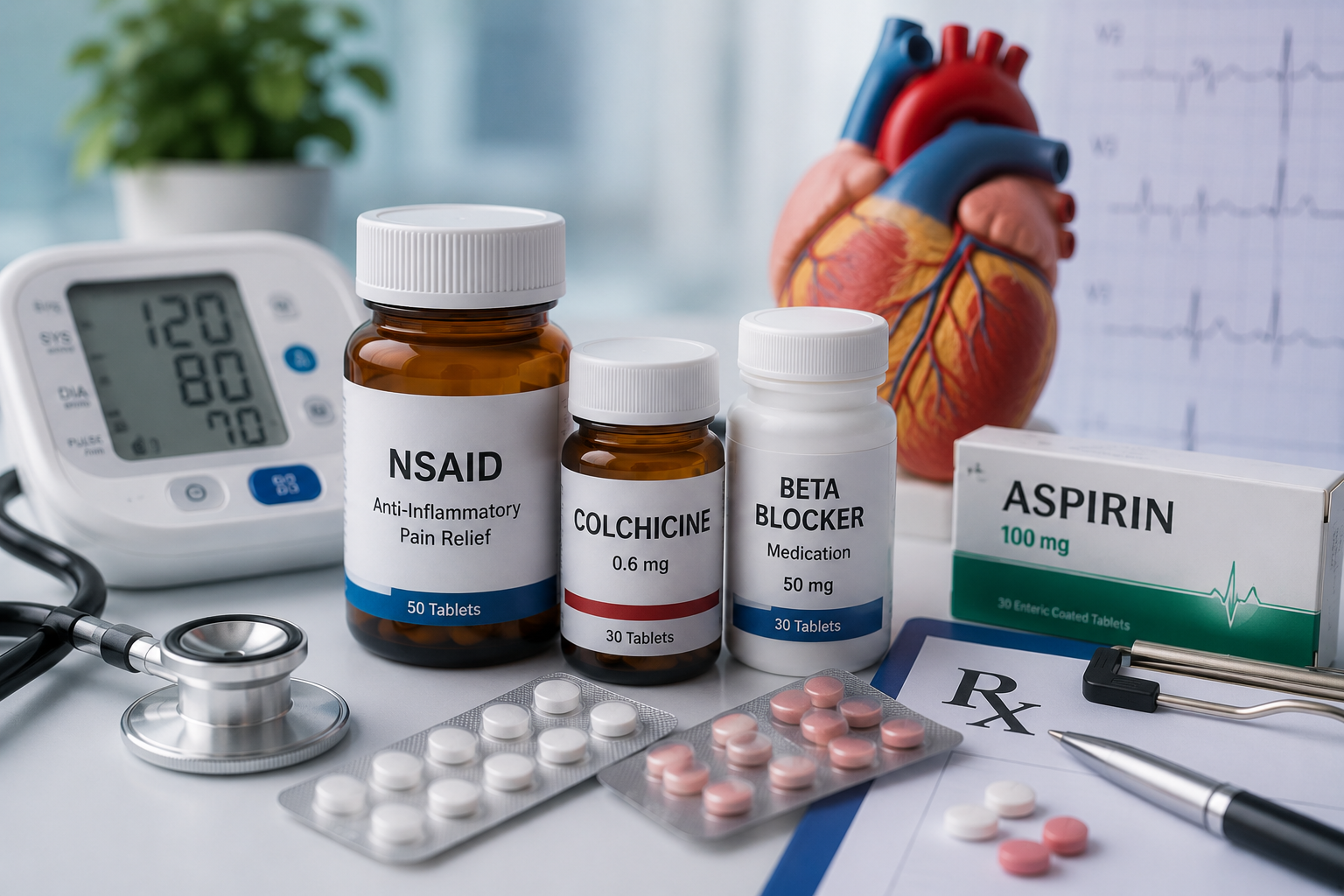
Medications for the treatment of pericarditis
Nonsteroidal anti-inflammatory drugs (NSAIDs)
The most common treatment.
Assists:
- To reduce pain
- To reduce swelling and inflammation
Colchicine
A common remedy that helps:
- Shorten the duration of the illness
- Reduce risk of recurrence
Steroids
In some cases, corticosteroids are used, especially when standard treatment does not help.
antibiotics
When the source of the inflammation is bacterial.
When does pericarditis become dangerous?
Although most cases resolve without significant damage, sometimes the inflammation persists or becomes complicated.
Possible complications of pericarditis
Chronic pericarditis
When the inflammation lasts more than three months.
This condition may cause the pericardium to harden and interfere with normal heart activity.
Fluid buildup around the heart
A condition called:
Pericardial Effusion
When too much fluid accumulates around the heart, pressure is created that can impair the heart’s ability to pump blood.
Cardiac tamponade – a life-threatening emergency
When the pressure around the heart rises dangerously.
Possible symptoms:
- Drop in blood pressure
- Severe weakness
- dyspnea
- dizziness
- Loss of consciousness
In such a situation, urgent treatment is needed to drain the fluids.
How can the risk of complications be reduced?
It is important to ensure:
- Complete rest during ignition
- Medical monitoring
- Taking medications as directed
- Avoiding physical exertion until medical approval.
Additionally:
If the pain recurs or worsens, seek immediate medical attention.
When should you see a doctor immediately?
Seek emergency treatment if:
- Severe chest pain
- dyspnea
- Fainting
- Abnormal heartbeat
- Pain that gets worse quickly
- Swelling in the legs
- Extreme weakness
Summary
Acute pericarditis is an inflammation of the pericardium that can cause sharp chest pain and great panic because it resembles a heart attack.
In most cases, this is a condition that can be successfully treated with medication and rest, but it is important not to ignore the symptoms and seek prompt medical diagnosis to prevent dangerous complications.
If you experience unusual chest pain – do not try to diagnose yourself. Early medical examination can save lives.