
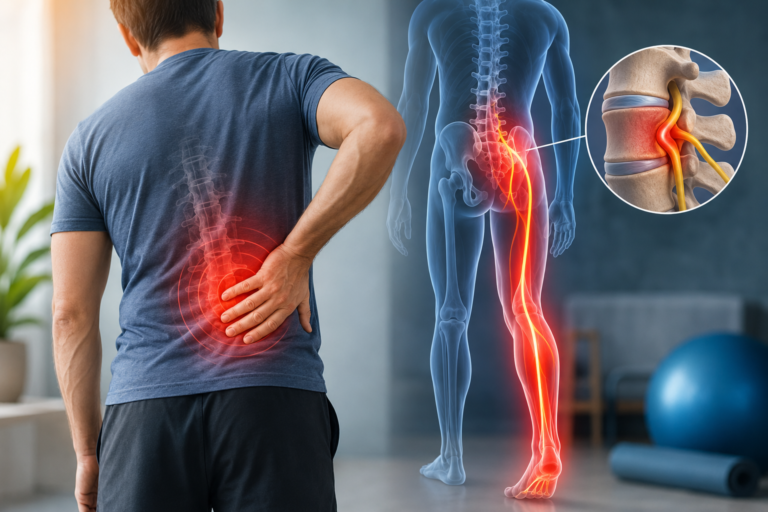
כאבי גב תחתון הם אחת הבעיות הנפוצות ביותר בעולם המודרני, אך כאשר הכאב מקרין לרגל, מלווה בתחושת שריפה, נימול או זרמים – ייתכן שמדובר בסיאטיקה.
העצב הסיאטי הוא העצב הארוך ביותר בגוף האדם, וכאשר מופעל עליו לחץ, הכאב עלול להפוך למטרד משמעותי שמשפיע על ההליכה, הישיבה ואפילו השינה.
החדשות הטובות? ברוב המקרים ניתן להקל על הכאב ואף להשתפר משמעותית תוך מספר שבועות באמצעות טיפול נכון, תנועה מתאימה ושינוי הרגלים.
אז מה גורם לסיאטיקה, אילו תסמינים אופייניים למצב ואיך אפשר להקל על כאב בעצב הסיאטי בצורה טבעית ובטוחה? הנה כל מה שחשוב לדעת.
מה זה סיאטיקה ולמה זה כל כך כואב?
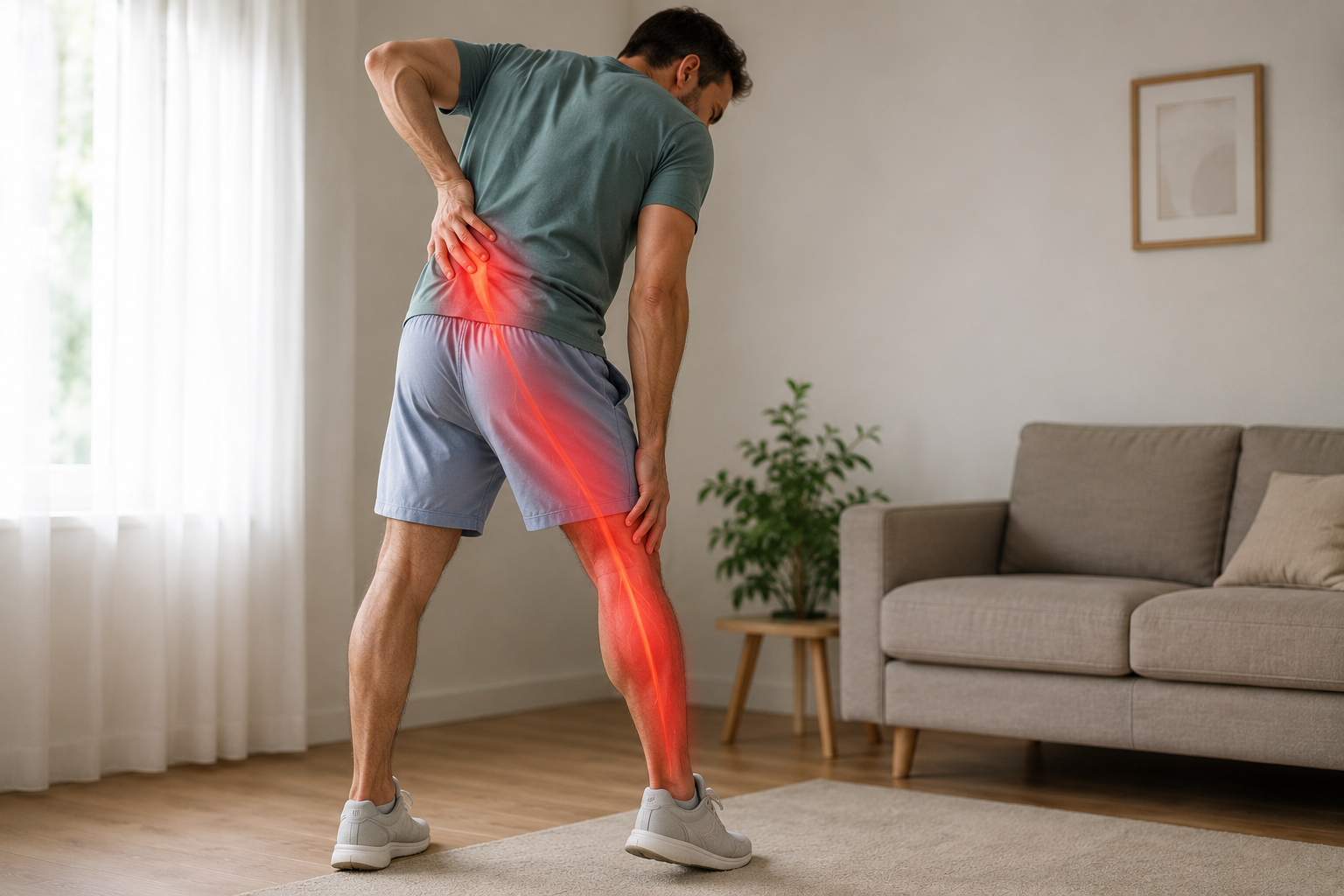
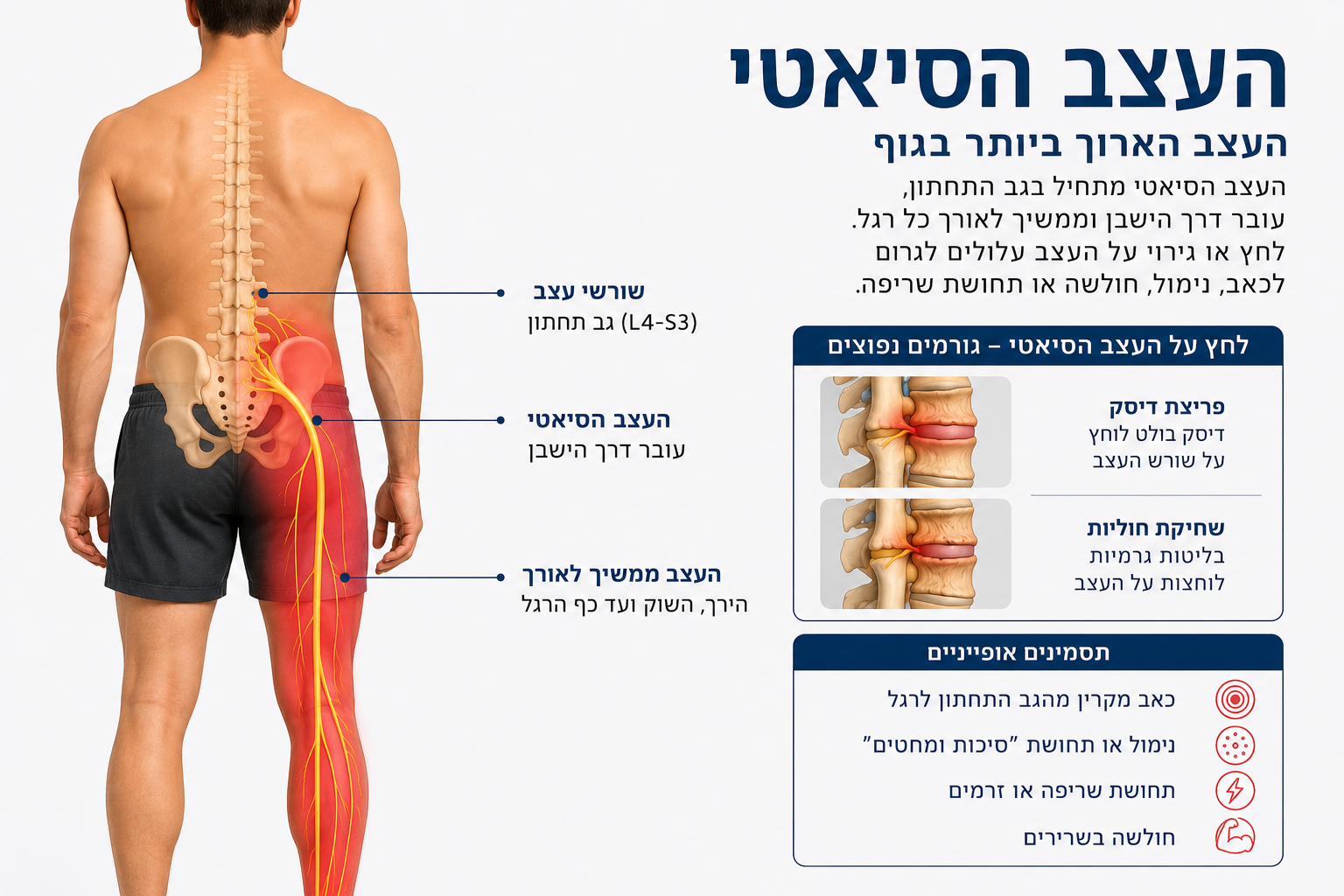
סיאטיקה היא מצב שבו מופעל לחץ על העצב הסיאטי – עצב שמתחיל בגב התחתון ועובר דרך הישבן ועד הרגליים.
כאשר דיסק בגב לוחץ על העצב, או כאשר נוצרת בליטה גרמית באזור עמוד השדרה, מופיעים כאבים שעלולים להקרין מהגב התחתון לרגל.
איך מרגיש כאב סיאטי?
אנשים מתארים את הכאב בדרכים שונות:
- תחושת שריפה
- זרמים ברגל
- כאב חד כמו דקירה
- נימול ועקצוצים
- חולשה ברגל
- תחושת “סיכות ומחטים”
במקרים מסוימים הכאב מופיע רק בזמן ישיבה, הליכה או שינוי תנוחה.
למה סיאטיקה מתפתחת?
ישנם מספר גורמים נפוצים שעלולים לגרום ללחץ על העצב הסיאטי.
פריצת דיסק
הסיבה השכיחה ביותר. דיסק בין חוליות עמוד השדרה בולט ולוחץ על שורש העצב.
שחיקת חוליות
עם השנים, שינויים ניווניים בגב עלולים ליצור לחץ על העצבים.
ישיבה ממושכת
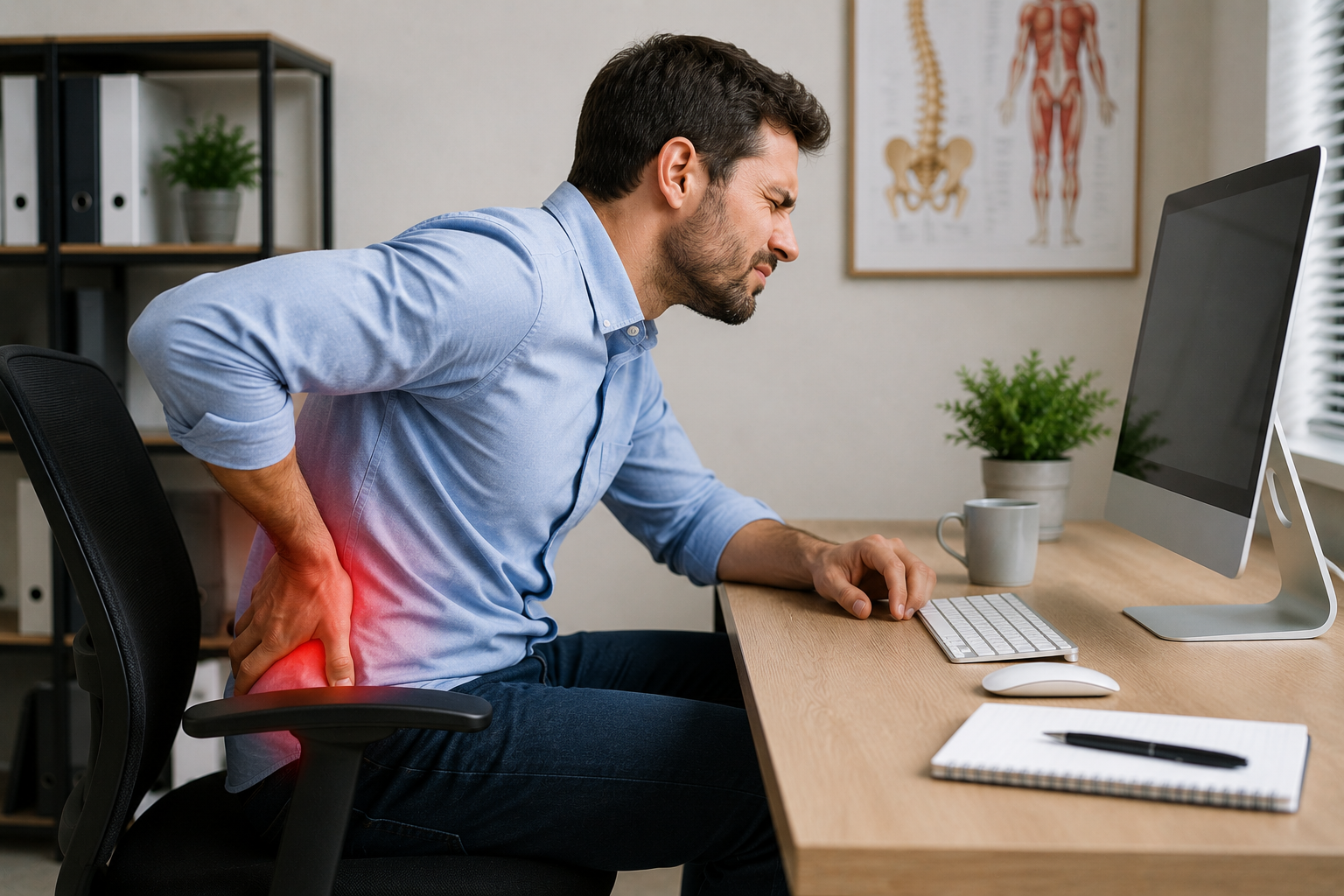
עבודה מול מחשב או נהיגה לאורך שעות עלולות להחמיר כאבי גב וסיאטיקה.
עומס פיזי והרמת משקל
תנועה לא נכונה או מאמץ פתאומי עלולים לגרום לפגיעה בגב התחתון.
היריון
שינויים במבנה הגוף והעומס על הגב עלולים לגרום ללחץ על העצב.
כמה זמן נמשכת סיאטיקה?
למרות שהכאב עשוי להיות חזק ומטריד, ברוב המקרים סיאטיקה משתפרת תוך מספר שבועות.
לפי מחקרים רפואיים, כ־80%–90% מהאנשים עם כאב בעצב הסיאטי מרגישים שיפור משמעותי תוך זמן קצר יחסית.
חשוב לדעת:
מנוחה מוחלטת לאורך זמן דווקא עלולה להחמיר את המצב.
האם כדאי לנוח או להמשיך לזוז?
כאשר הגב כואב, האינסטינקט הטבעי הוא לשכב במיטה. אבל בפועל, תנועה עדינה בדרך כלל מועילה יותר ממנוחה ממושכת.
מה מומלץ לעשות?
- לצאת להליכות קצרות
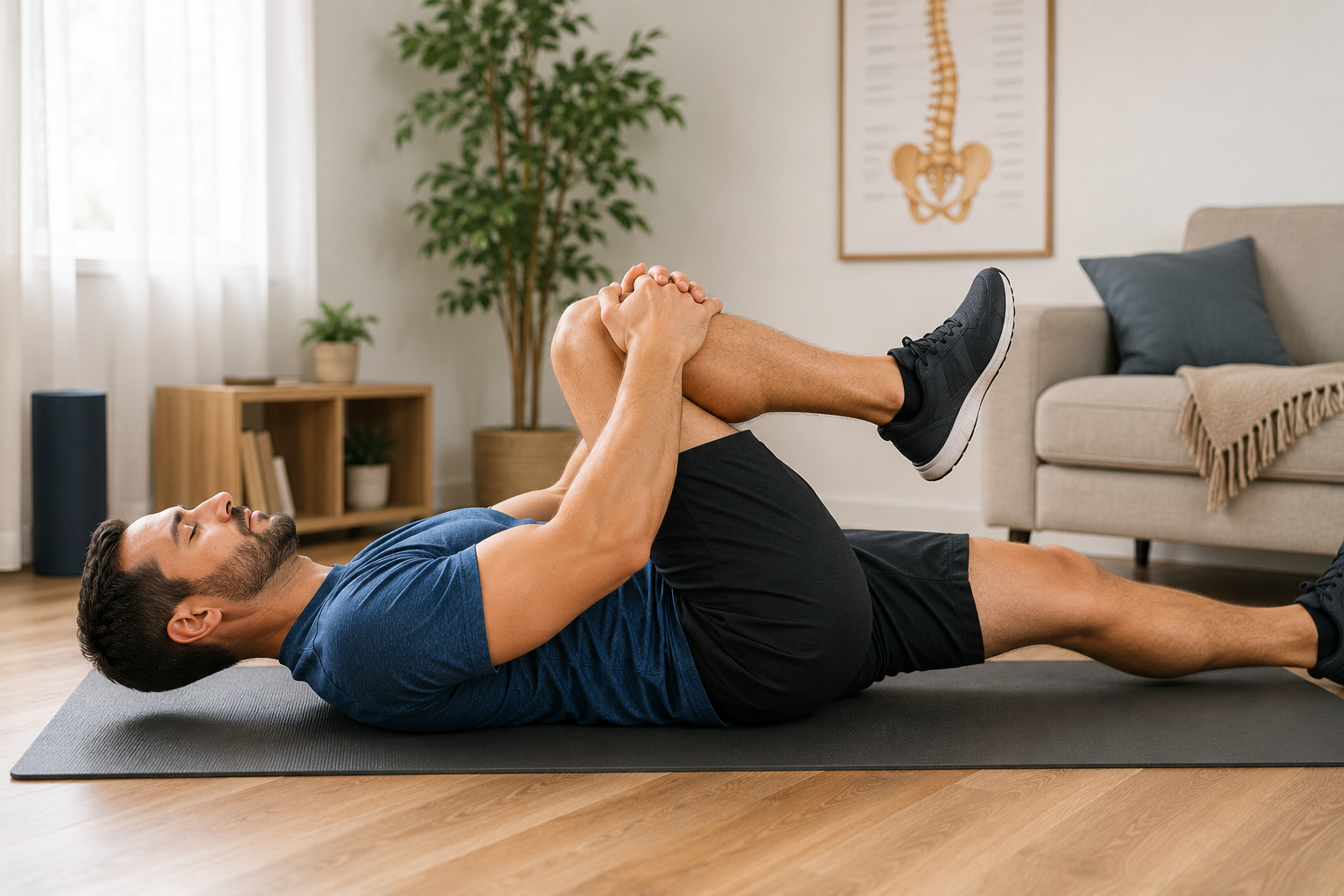
- לבצע מתיחות עדינות
- להימנע מישיבה ממושכת
- לשנות תנוחה לעיתים קרובות
תנועה עוזרת לשמור על זרימת דם טובה ולהפחית נוקשות בשרירים.
חום או קור – מה עדיף לכאב סיאטי?
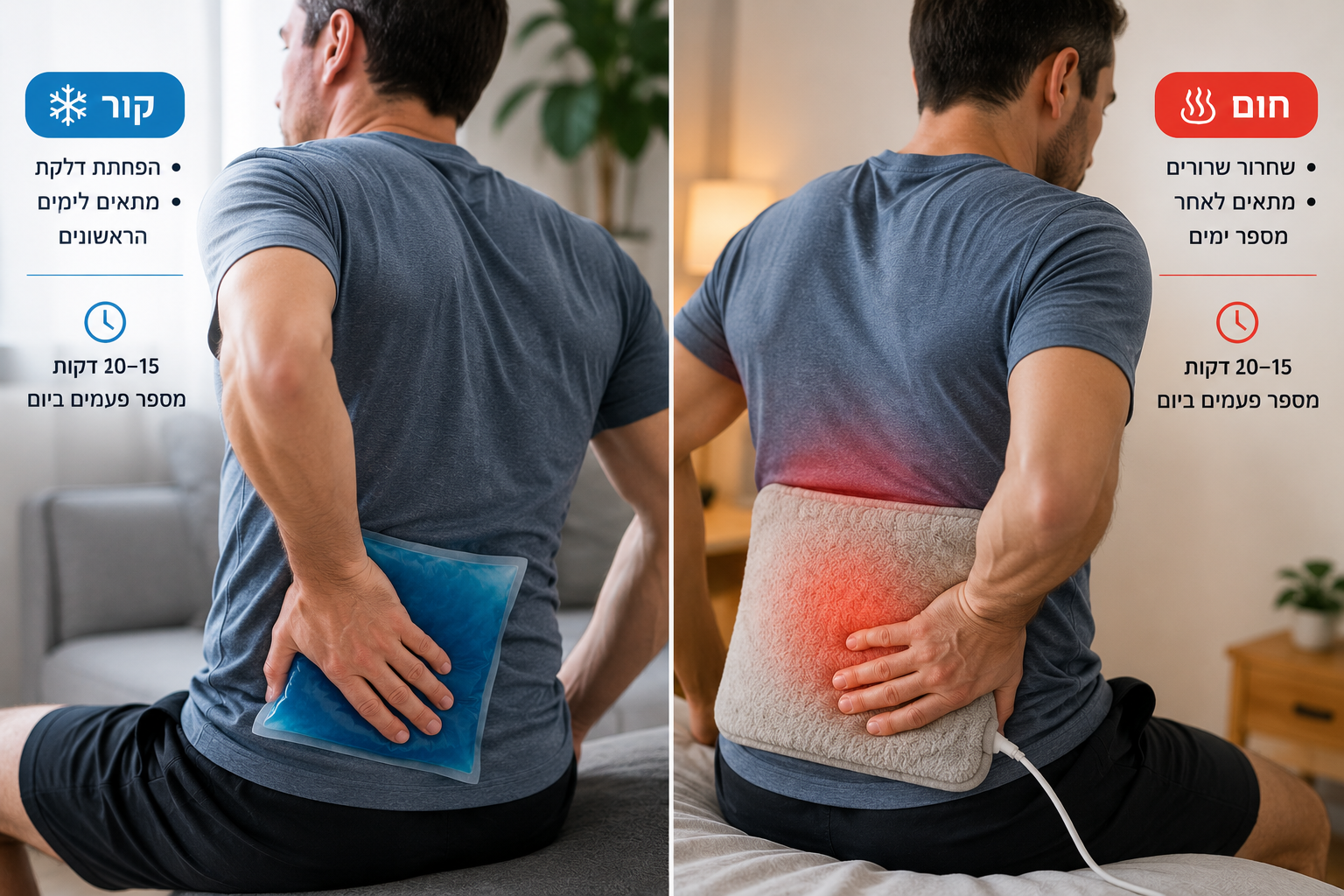
גם קומפרסים קרים וגם חימום יכולים לעזור, תלוי בשלב הכאב.
טיפול בקור
בימים הראשונים מומלץ להשתמש בקרח להפחתת דלקת ונפיחות.
- הניחו שקית קרח עטופה במגבת
- למשך 15–20 דקות
- מספר פעמים ביום
טיפול בחום
לאחר מספר ימים, חימום השרירים יכול לעזור לשחרור הגב ולהפחתת כאבים.
אפשר להשתמש ב:
- כרית חימום
- מקלחת חמה
- בקבוק מים חמים
חשוב להימנע מחשיפה ישירה מדי כדי לא לגרום לכוויות.
אילו תרופות יכולות לעזור?
במקרים רבים ניתן להקל על הכאב באמצעות תרופות ללא מרשם.
תרופות נפוצות:
- איבופרופן
- נפרוקסן
- אקמול
Anti-inflammatory medications may also reduce pressure around the nerve.
In stronger cases, a doctor may recommend:
- Muscle relaxants
- Medications for nerve pain
- More powerful anti-inflammatory treatment
Do not take medication for a long time without medical advice.
Physiotherapy for sciatica – why is it important?
Physical therapy is considered one of the most effective treatments for sciatic nerve pain.
The goal is:
- Strengthen your back and abdominal muscles
- Improve posture
- Reduce pressure from the nerve
- Restore range of motion
Common exercises:
- Stretches for the lower back
- Strengthening core muscles
- Posture exercises
- Flexibility exercises
A physical therapist can build a personalized program based on your condition.
Can epidural injections help?
When pain persists for months and does not improve, a doctor may suggest an epidural steroid injection into the spine.
The goal is to reduce inflammation around the nerve and provide pain relief.
However, the effectiveness of treatment varies between individuals, so it is important to consider the pros and cons with your doctor.
Complementary therapies that can relieve sciatica
There are other treatments that many people report improvement after.
Acupuncture
Some studies suggest that acupuncture may help reduce back pain and sciatica.
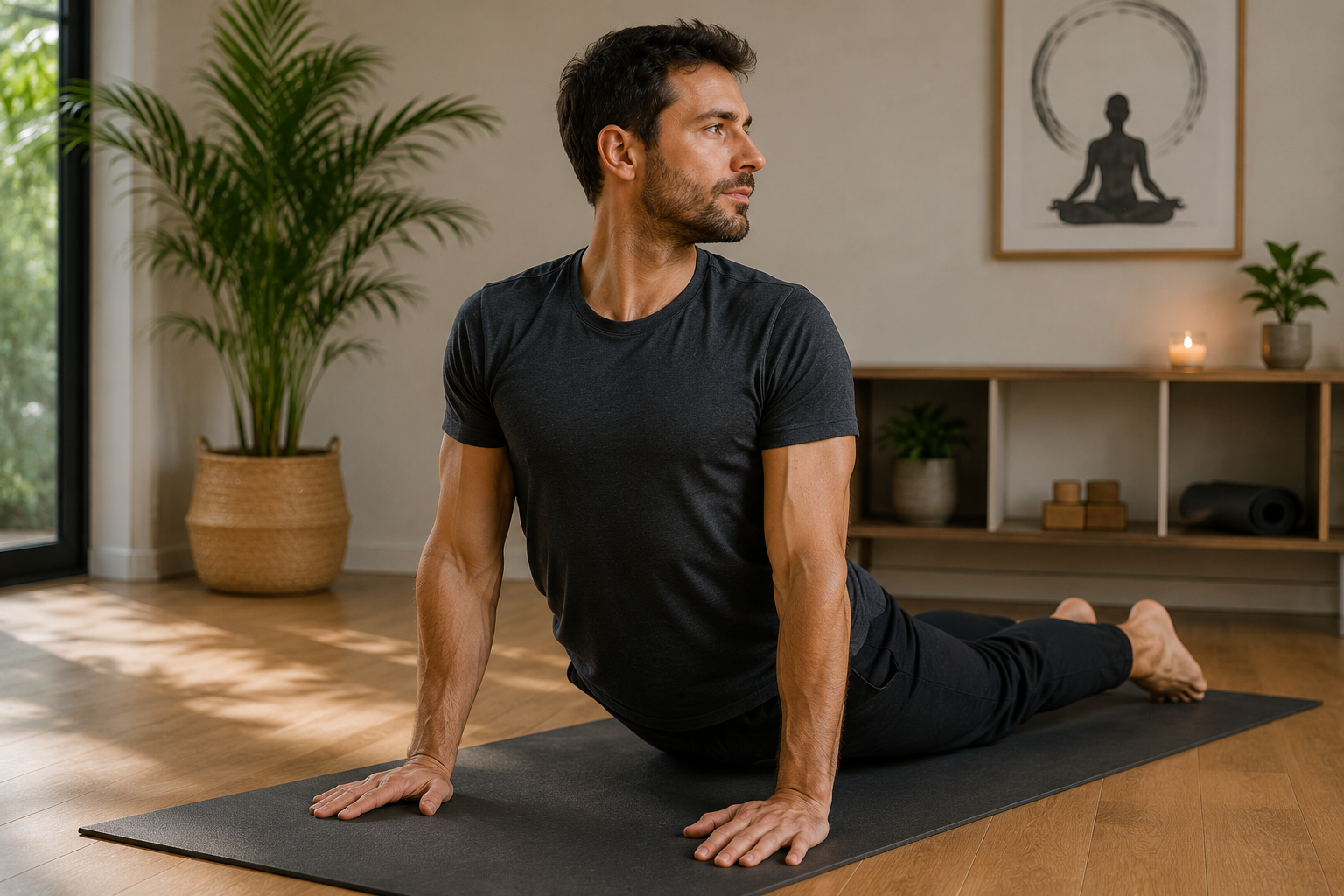
yoga
Appropriate practice can improve flexibility, posture, and mobility.
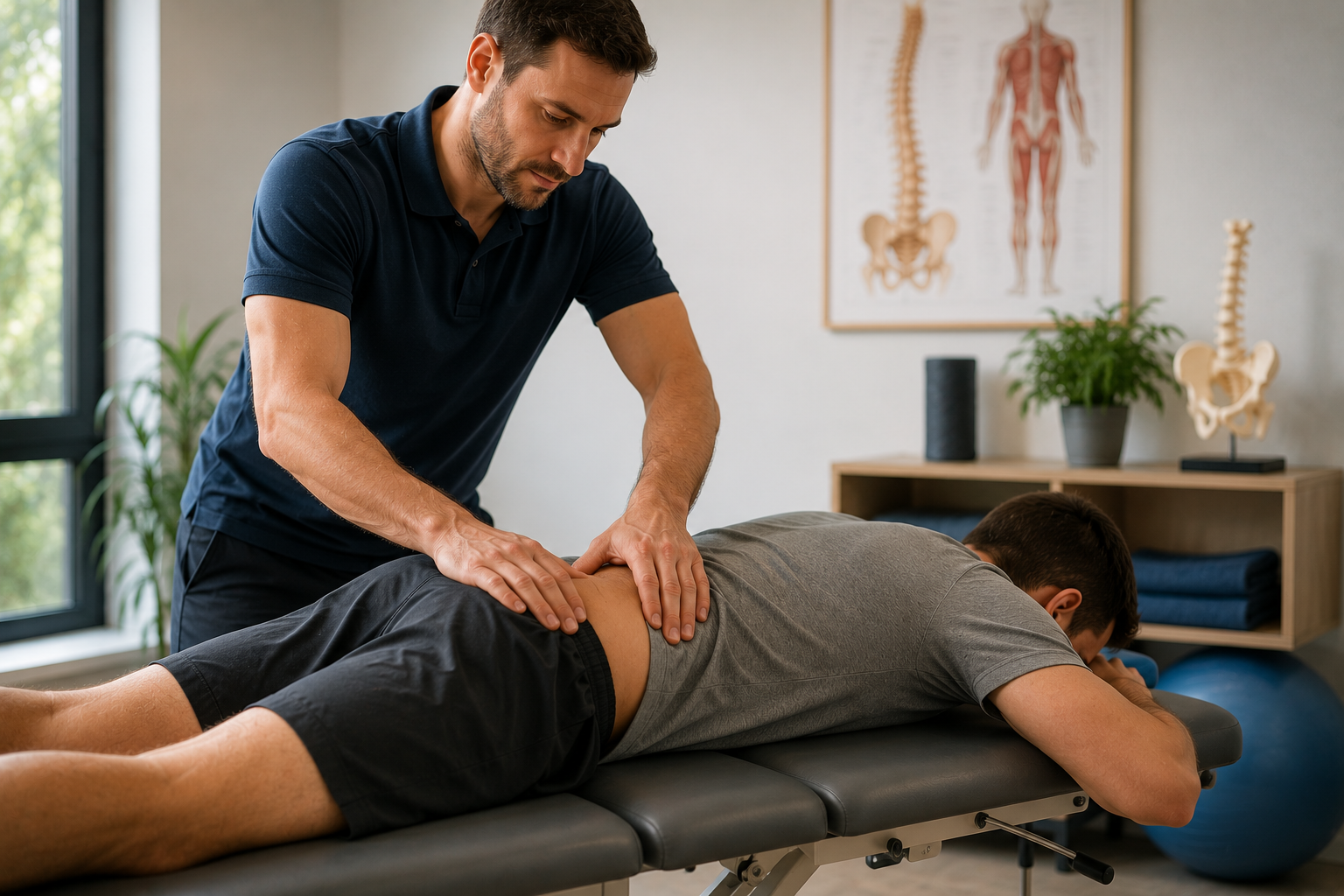
Medical massage
Massage helps release tight muscles and improve blood circulation in the painful area.
How does stress affect back pain?
Although sciatica is a physical problem, mental stress also has a significant impact.
Stress causes muscles to contract and may increase the sensation of pain.
What can help?
- Deep breaths
- meditation
- Moderate physical activity
- Quality sleep
- Emotional care if necessary
When should you see a doctor?
In most cases, sciatica is not dangerous, but there are signs that require immediate medical examination.
Contact your doctor if you experience:
- High fever
- Pain that awakens from sleep
- Significant weakness in the leg
- Difficulty controlling urine or bowel movements
- Blood in the urine
- Severe pain that does not improve
These symptoms may indicate a medical condition that requires immediate treatment.
Important tips for preventing sciatica and back pain
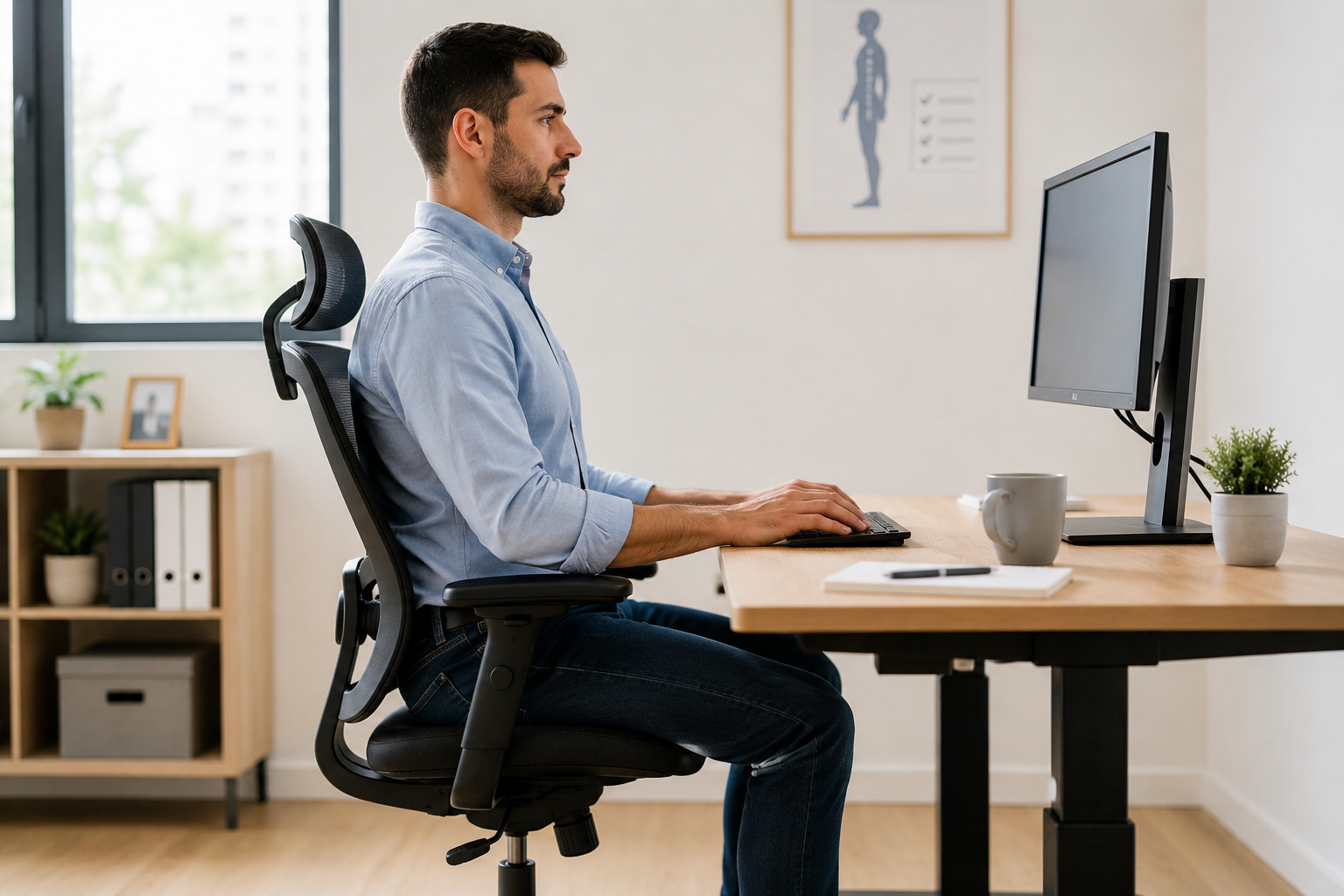
Maintain proper posture.
Sit with a supported back and avoid prolonged bending.
Get up and move every half hour.
Continuous sitting increases the load on the lower back.
Strengthen your core muscles
Strong abdominal and back muscles provide better support for the spine.
Lift the right weight
Bend your knees, not your back.
Maintain a healthy body weight
Excess weight increases the strain on the back.
Summary
Sciatica and lower back pain can significantly impact quality of life, but in most cases, the pain can be relieved and even healed without the need for surgery.
Proper movement, physical therapy, muscle strengthening, and changing habits can reduce pressure on the sciatic nerve and significantly improve the feeling.
If the pain persists, worsens, or is accompanied by unusual symptoms, it is important to seek professional medical attention.
Start today by incorporating more movement, improving posture, and listening to your body.
New research on sciatica: treatments and ways to relieve pain
Recent studies from 2026 continue to examine which treatments may reduce radiating pain to the leg and improve function in people with sciatica and lumbar radiculopathy.
1. Physiotherapy and conservative treatments may improve function
A systematic review published in June 2026 in the journal Cureus examined 19 clinical studies on conservative treatments for lumbar radiculopathy. The researchers found that a combination of exercises, manual therapy, nerve mobilization, and core stabilization may help reduce pain and improve function. However, the studies were different, so it is not possible to say that one treatment is right for everyone.
Read the study – Evidence-Based Conservative Treatment Strategies for Lumbar Radiculopathy
2. Acupuncture may relieve chronic sciatica
A meta-analysis published in January 2026 in the journal Frontiers in Medicine examined the effectiveness of Chinese acupuncture in people with chronic sciatica related to a herniated disc. The study looked at measures of pain intensity and mobility limitations. The findings suggest potential for relief, but more high-quality studies are needed to determine how effective the treatment is over time.
Read the study – Effectiveness of Acupuncture in the Treatment of Chronic Sciatica
3. Epidural injections: Does the type of injection matter?
A systematic review and meta-analysis published September 12, 2026 in the European Spine Journal compared two approaches to epidural steroid injections in people with lumbar radiculopathy. The review included five randomized trials and 310 participants. A small, temporary advantage was found for one of the injection methods after about a month, but after three months there was no significant difference between the methods. The researchers emphasized that the choice of treatment should be based on the patient’s individual condition and medical considerations.
Read the study – Caudal Epidural Versus Nerve-Root-Targeted Injection
What can we learn from the studies?
The new research reinforces the importance of a personalized treatment approach. Controlled exercise, physical therapy, and rehabilitation may help with sciatica, while treatments such as acupuncture and epidural injections may be appropriate for some patients depending on their condition. It is important to consult a professional before starting treatment, especially if you experience weakness or changes in sensation in your leg.