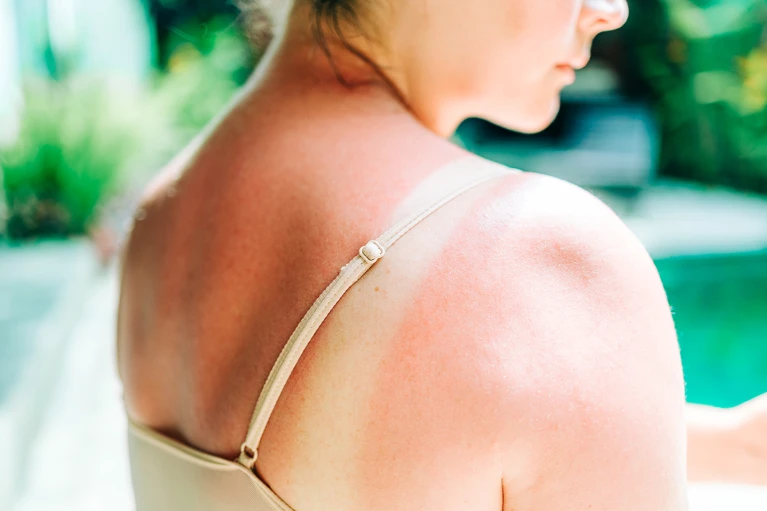


Idiopathic pulmonary fibrosis, or IPF for short , is a chronic lung disease in which lung tissue becomes scarred and stiffer. This makes it harder for the lungs to transport oxygen to the body, so symptoms such as shortness of breath, dry cough, and fatigue can worsen in some situations.
One factor that many people don’t always pay attention to is the weather. Cold, heat, high humidity, dry air, haze, air pollution, and pollen can affect breathing and increase the feeling of congestion in the lungs. In a healthy person, this may feel like a minor discomfort, but in people with IPF it can become a significant trigger.
The goal is not to fear every change in the weather, but to learn to identify what aggravates symptoms and take action in advance. With proper planning, maintaining good air quality at home, avoiding exertion during extreme times, and coordinating with a pulmonologist, you can reduce exacerbations and maintain a safer routine.

How does weather affect IPF symptoms?
In people with idiopathic pulmonary fibrosis , the lungs are already dealing with stiffer tissue, so anything that puts additional strain on breathing can feel more intense.
Changes in temperature and humidity can cause:
- More severe shortness of breath
- Dry or irritated cough
- A feeling of pressure or heaviness in the chest
- Fatigue more quickly during activity
- Need for more frequent breaks
- Higher sensitivity to air pollution, dust, and pollen
Seasons can also have an impact. In winter, there is more exposure to cold, dry air and respiratory viruses. In summer, especially on days of high humidity or heat, breathing may feel heavier and more labored.
Cold, dry air: why does it make breathing worse?
Cold air is usually drier. When inhaled, it can irritate the airways, cause coughing, and increase chest tightness. For people with chronic lung disease, even small changes in air quality can be noticeable.
In the winter, people also tend to spend more time indoors. This increases exposure to dust, mold, cleaning products, smoke from a fireplace or stove, and sometimes even sick people. All of these can put a strain on the respiratory system.
Tips for cold days for people with IPF
To reduce lung irritation on cold days:
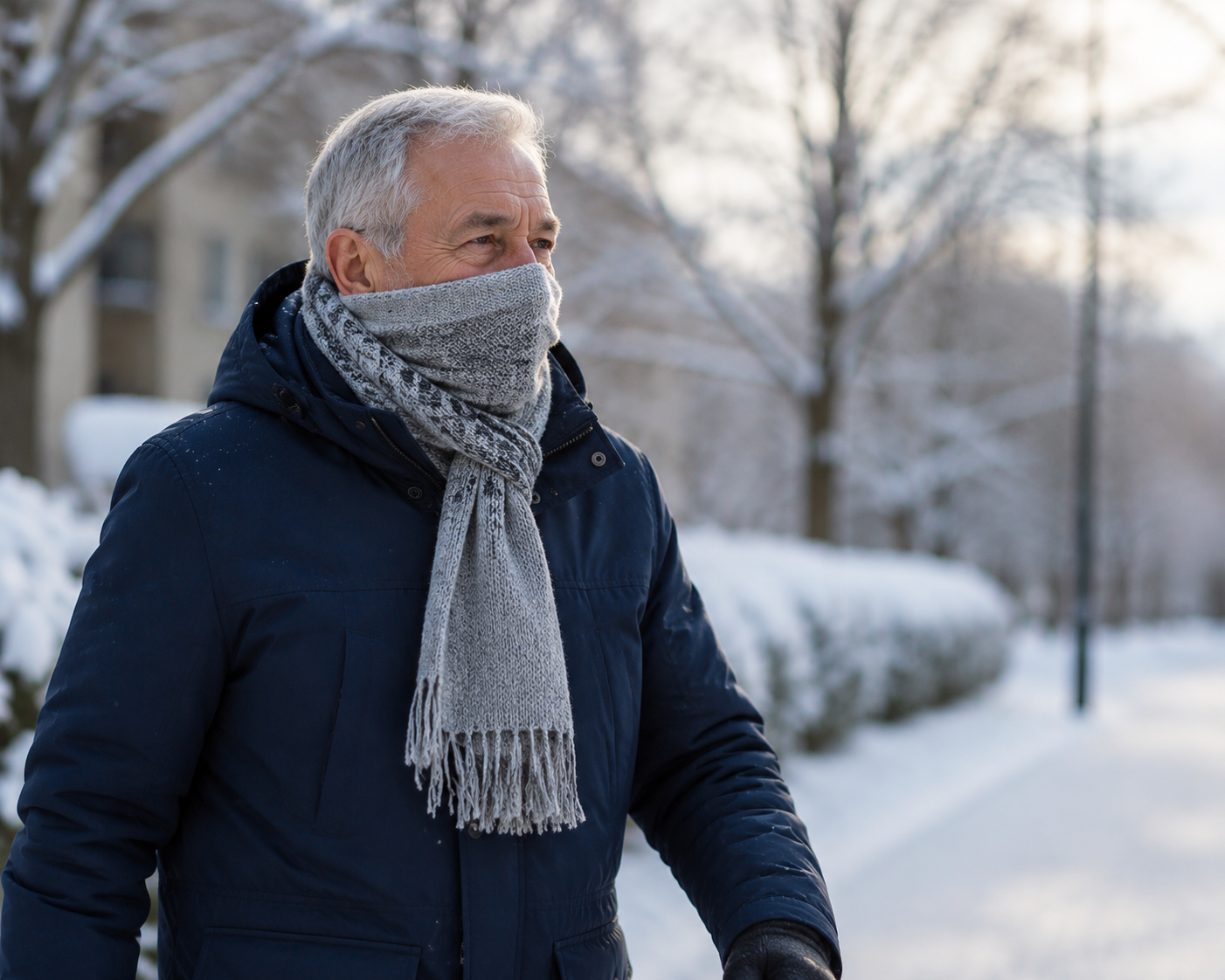
- Cover your nose and mouth with a scarf or mask when you go outside.
- Breathe through your nose as much as possible, because the nose warms and humidifies the air.
- Avoid sudden exertion in the cold, such as running for the bus or quickly climbing stairs.
- Wear layers instead of one thick garment to keep your body warm.
- If you are using oxygen, keep the tube protected from light according to the instructions of the medical team.
- On particularly cold days, consider doing light exercise indoors.
- Be sure to get recommended vaccinations against respiratory diseases as recommended by your doctor.
Heat and Humidity: Why Does the Air Feel “Heavy”?
High temperatures, especially the combination of heat and humidity, can make it harder to breathe. Humid air can feel thicker and heavier, so people with IPF may feel like they have to work harder to breathe.
Additionally, on very hot days, the body struggles to cool itself. This effort can cause fatigue, a rapid heart rate, dizziness, or worsening shortness of breath. High humidity can also encourage mold and allergens in the home, especially in unventilated rooms.
In Israel, hot days, heat waves, and haze can be especially challenging for people with lung conditions. Therefore, it is important to monitor not only the temperature, but also humidity, air quality, and weather warnings.
Tips for hot and humid days
On particularly hot or humid days:
- Stay in an air-conditioned place during hot hours.
- Go out for errands early in the morning or in the evening.
- Close blinds and curtains during strong sunlight.
- Drink water throughout the day, unless you have received other medical instructions.
- Wear light, loose, and breathable clothing.
- Reduce strenuous outdoor activity.
- Use a dehumidifier if the house is very humid.
- Watch for signs such as dizziness, rapid heart rate, worsening shortness of breath, or chest tightness.
If there is a significant worsening of breathing or a feeling of distress, seek medical advice and do not wait.
Air quality, haze and pollen: important triggers for the lungs
Air quality is very important for people with IPF. Air pollution, small particles, smoke, haze, dust, strong odors, and pollen can irritate the airways and worsen cough and shortness of breath.
On days with high air pollution or haze, it is recommended to reduce going outside. People with lung diseases are considered more sensitive to the effects of poor air quality, so it is worth monitoring the air quality index on weather apps or official websites.
Pollen can also have an effect. During the changing seasons, especially spring and fall, sensitive people may experience more nasal irritation, coughing, phlegm, or shortness of breath.
How to reduce exposure to pollution and pollen?
You can reduce environmental burden with simple steps:
- Check the air quality forecast before leaving home.
- Close windows on hazy or high pollen days.
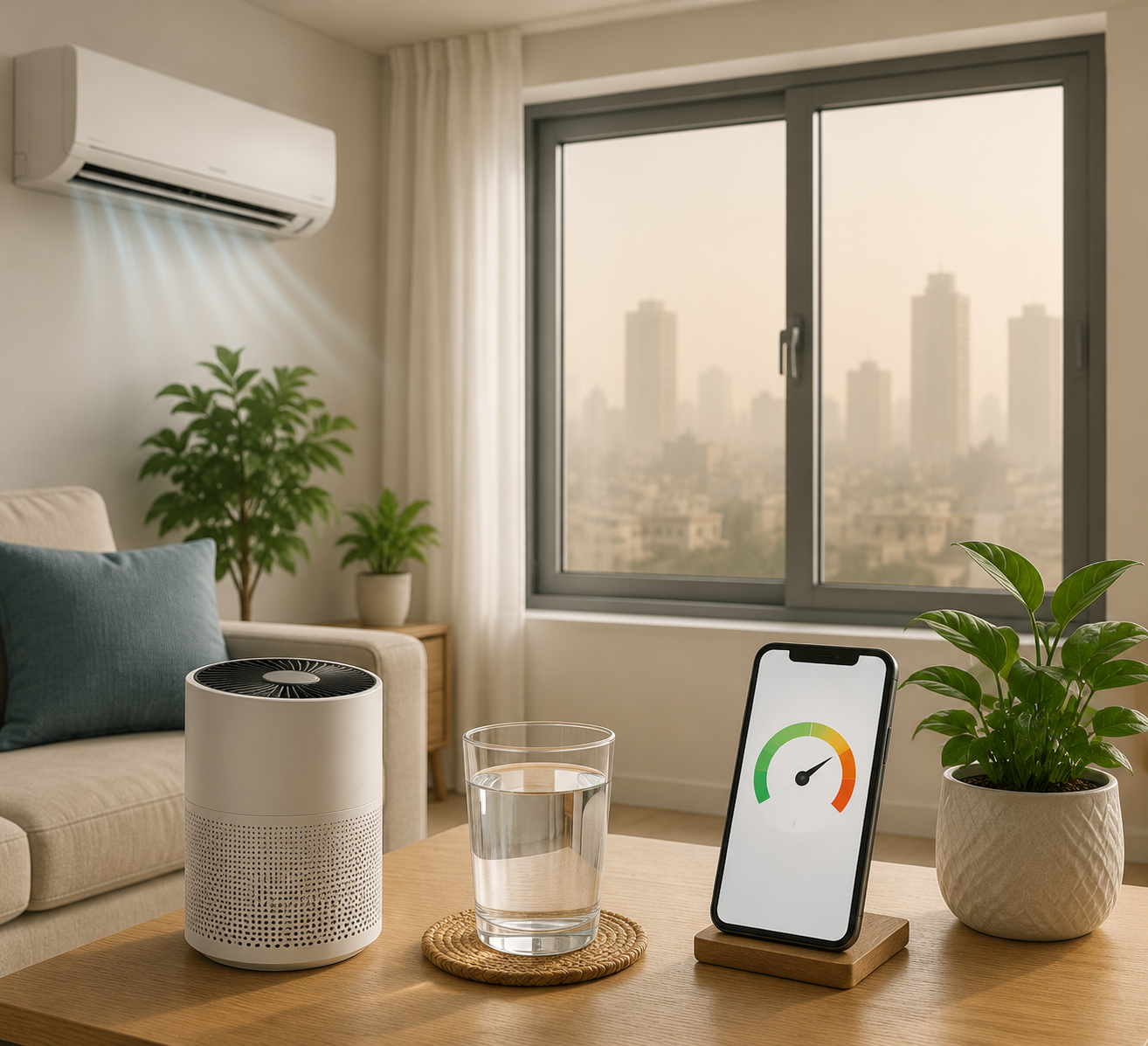
- Use the air conditioner in internal air recirculation mode when the air outside is poor.
- Consider using an air purifier with a HEPA filter in the room where you spend the most time.
- Avoid cigarette smoke, incense, sprays, and strong odors.
- Use gentle cleaning agents without strong odors.
- If you are going out on a particularly polluted day, ask a doctor if an N95 mask is right for you.
How to maintain a more lung-friendly home?
Homes are supposed to be safe and comfortable places to breathe, but sometimes things inside the home can be stressful on the lungs. Dust, mold, cooking with smoke, harsh cleaning products, and high humidity can affect people with IPF.
To maintain a better breathing environment:
- Clean dust regularly with a damp cloth.
- Ventilate the house when the air quality outside is good.
- Check for mold in the bathtub, walls, or around windows.
- Turn on a range hood while cooking.
- Avoid smoking in the house and on nearby balconies.
- Maintain balanced humidity, not too dry and not too humid.
- Clean humidifiers and filters according to the manufacturer’s instructions.
If you use home oxygen, it is important to follow the safety instructions you received. Do not change oxygen dosage or usage times without medical guidance.
Personal action plan: What is important to prepare in advance?
People with IPF need to know their bodies and know when a change in weather starts to affect them. It is a good idea to develop an action plan in advance with a pulmonologist or healthcare team.
Such a plan is recommended to include:
- What symptoms are considered normal for you?
- When should you increase rest and decrease activity?
- When to measure saturation, if recommended.
- When to call a doctor.
- When to contact a medical center or emergency room.
- How to use medications, inhalers, or oxygen according to instructions.
- What actions to take on days of heat, cold, haze or high air pollution.
It is especially important to make sure that your regular medications, oxygen prescriptions, and medical instructions are up to date. Do not change your treatment on your own, even if the weather causes a temporary worsening.
When should you see a doctor?
See your doctor if you notice a persistent change in your symptoms, even if it seems small. With IPF, it’s best to get tested early rather than wait for a significant worsening.
Seek medical advice if:
- New or worse shortness of breath than usual
- A cough that gets worse and doesn’t go away
- Unusual fatigue
- Decreased ability to perform daily activities
- Increased need for rest
- Feeling of pressure in the chest
- Decrease in saturation, if you measure at home
- Fever, chills, or suspected respiratory infection
In case of severe shortness of breath, chest pain, confusion, blue lips, or rapid worsening, seek emergency medical help.
Summary: The weather doesn’t have to dictate your breathing.
Extreme weather, high humidity, cold, dry air, haze, and air pollution can worsen IPF symptoms like shortness of breath, cough, and fatigue. However, proper planning can reduce the risk of exacerbations.
Be sure to check the weather forecast and air quality, adjust activities to comfortable times, keep your home clean and breathable, and stay in touch with your medical team. Small steps like covering your face in the cold, using air conditioning in the summer, or closing windows on a hazy day can make a significant difference.
If you are living with IPF, create a personal action plan and consult with your doctor about when to change activities, check your diet, or seek treatment. The earlier you identify triggers, the easier it is to manage your day safely and calmly.
Health News: Heat Wave, Haze, or Cold Air? This is How Weather May Affect Pulmonary Fibrosis Patients
Living with idiopathic pulmonary fibrosis (IPF)? A change in the weather can make breathing more challenging—especially on days with heavy rain, smog, and air pollution.
In Israel, where the weather can change rapidly between heat waves, dusty winds, and cold days, people dealing with chronic lung diseases need to pay attention not only to the temperature, but also to air quality and environmental conditions. According to the U.S. Environmental Protection Agency (EPA) , exposure to airborne particulate matter can affect the respiratory system, especially in people with existing lung diseases.
Idiopathic pulmonary fibrosis is a disease in which lung tissue becomes scarred, which can make it difficult for the body to get oxygen. For more medical information about the disease, see the Pulmonary Fibrosis Foundation ‘s guide . Exposure to polluted air, smoke, or irritating particles can add to the burden on breathing, while respiratory infections can make the condition worse.
So how do you prepare for a rainy or foggy day? When is it best to stay home, how to improve the air quality in your home environment, and what signs require you to see a doctor?
The following guide provides practical steps to help you cope with changing weather, reduce your exposure to triggers, and maintain a safer lifestyle with IPF. You may also want to check out the U.S. Environmental Protection Agency’s Air Quality and Health Guidelines , which explain how to monitor air quality and reduce your exposure to pollution.
Important: New or rapid worsening of shortness of breath is not necessarily a result of the weather alone. In the event of severe difficulty breathing, chest pain, or rapid worsening, seek immediate medical attention.