
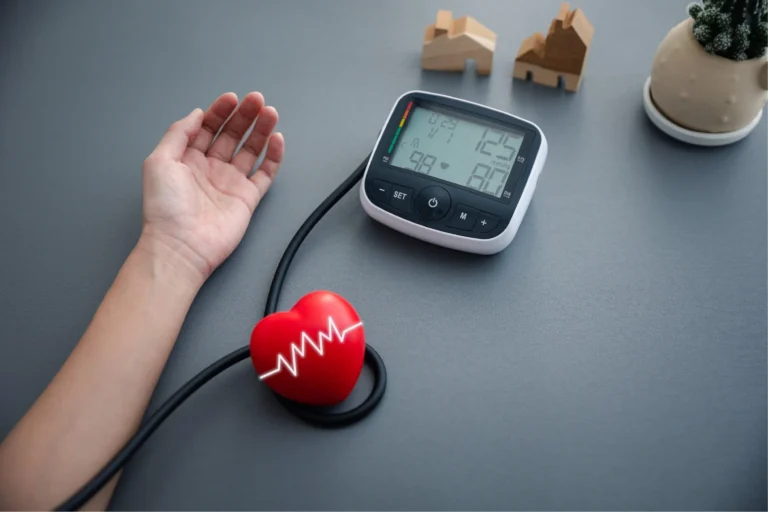
לחץ דם גבוה (יתר לחץ דם) הוא מצב רפואי נפוץ שלעתים קרובות מתפתח ללא תסמינים מורגשים, ולכן הוא מכונה לעתים קרובות “הרוצח השקט”. גם כאשר אדם מרגיש בריא לחלוטין, לחץ דם גבוה לאורך זמן יכול לפגוע בהדרגה בכלי הדם ולהפעיל לחץ על הלב ואיברים חיוניים אחרים. ללא טיפול מתאים, הוא מגביר משמעותית את הסיכון לסיבוכים חמורים, כולל התקף לב, שבץ מוחי, אי ספיקת לב, מחלת כליות, אובדן ראייה, ירידה קוגניטיבית ואפילו תפקוד מיני לקוי.
למרות שתרופות הן חלק חשוב בטיפול עבור אנשים רבים, הן לא תמיד הפתרון הראשון או היחיד. אימוץ הרגלי חיים בריאים יותר יכול להשפיע באופן משמעותי על שליטה בלחץ דם גבוה , ולעיתים אף לעכב, להפחית או למנוע את הצורך בתרופות. שינויים אלה לא רק מסייעים בשליטה בלחץ הדם, אלא גם מחזקים את בריאות הלב וכלי הדם ומשפרים את הבריאות הכללית לאורך זמן.
התחלת שינויים בריאים בשלב מוקדם היא אחת הדרכים היעילות ביותר לשמור על בריאות. פיתוח הרגלים טובים לפני שלחץ דם גבוה הופך לבעיה משמעותית יכול להפחית את הסיכון לסיבוכים עתידיים ולשפר את איכות החיים ככל שמתבגרים. אפילו צעדים קטנים ועקביים יכולים להוביל לשיפורים משמעותיים לאורך זמן.
רופאים ואנשי מקצוע בתחום הבריאות ממליצים בדרך כלל לשלב שינויים מעשיים באורח החיים כחלק מתוכנית מקיפה לניהול לחץ דם גבוה . בשילוב עם ניטור רפואי קבוע והיענות להנחיות מקצועיות, ניתן לשלוט טוב יותר במצב ולהפחית את הסיכון למחלות לב וכלי דם חמורות.
5 טיפים לאיזון לחץ דם גבוה
Reducing sodium intake is one of the most important dietary steps to keep high blood pressure under control and to support heart health. Most of the sodium we consume does not come from the salt we add to our food, but from processed foods, ready-made meals, and packaged products. Choosing fresh foods, preparing meals at home, and checking nutrition labels to choose products that are low in sodium can go a long way toward reducing our daily intake. Instead of adding salt, you can enhance the flavor of your food with herbs, spices, garlic, or lemon juice.
A balanced diet rich in fruits, vegetables, whole grains, lean proteins, and foods containing potassium and dietary fiber contributes to balancing blood pressure and helps reduce the risk of heart disease and stroke. At the same time, it is recommended to reduce consumption of processed foods, saturated fats, and foods high in sodium, to maintain a healthy cardiovascular system.
Health experts recommend limiting daily sodium intake to less than 2,300 mg , with people with high blood pressure likely to benefit from reducing to 1,500 mg or less per day. Combining a healthy diet with consistent sodium reduction can help balance blood pressure and even reduce the need for medication in some cases.

Smoking is one of the most significant risk factors for high blood pressure and cardiovascular disease. Each cigarette causes blood vessels to constrict, reducing the supply of oxygen to the heart and increasing the strain on the cardiovascular system. Over time, this damage can lead to the development of atherosclerosis and increase the risk of heart attack, stroke and other health complications. Quitting smoking is one of the most important steps you can take to improve your heart health and reduce your risk of chronic disease.
Excessive alcohol consumption can also contribute to high blood pressure. It is therefore recommended to limit the amount of alcohol consumed, especially for people with high blood pressure. In general, the recommendation is that men should not drink more than two drinks per day, and women should not drink more than one drink per day. A combination of quitting smoking and reducing alcohol consumption can help balance blood pressure, improve cardiovascular health, and contribute to a better quality of life in the long term.