

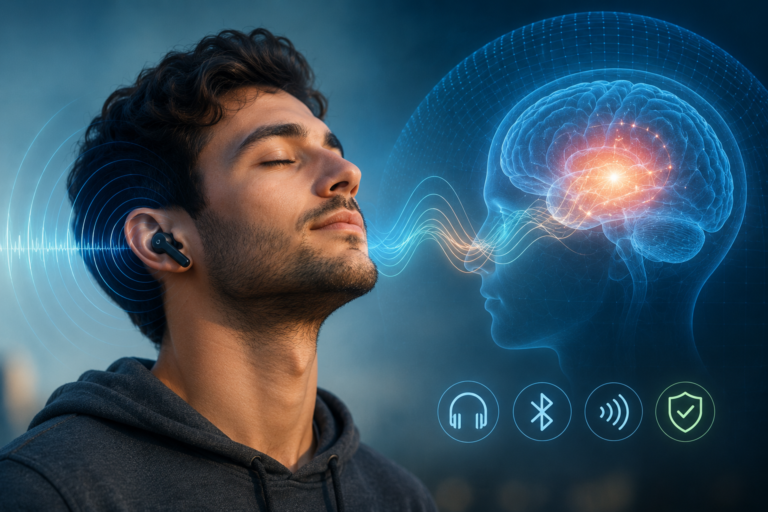
Wireless Bluetooth headphones have become an integral part of our lives. We use them while working, exercising, traveling, and even before bed. But along with the convenience, a question arises that concerns quite a few people: Can the radiation that Bluetooth headphones emit damage the brain or increase the risk of cancer?
The short answer is that there is no scientific evidence to date that Bluetooth headphones cause cancer or brain damage . However, researchers continue to monitor the field to understand the possible effects of prolonged exposure to electromagnetic radiation.
In this guide, we will explain how Bluetooth technology works, what radiation it emits, what the latest studies say, and which health risks are actually worth taking seriously.
What is Bluetooth technology and how does it work?
Bluetooth is a short-range wireless communication technology that allows devices such as:
- Wireless headphones.
- Smartphones.
- Computers.
- Smart watches.
- Wireless speakers.
The connection is made using low-power radio waves , which transmit information between devices without the need for cables.

Do Bluetooth headphones emit radiation?
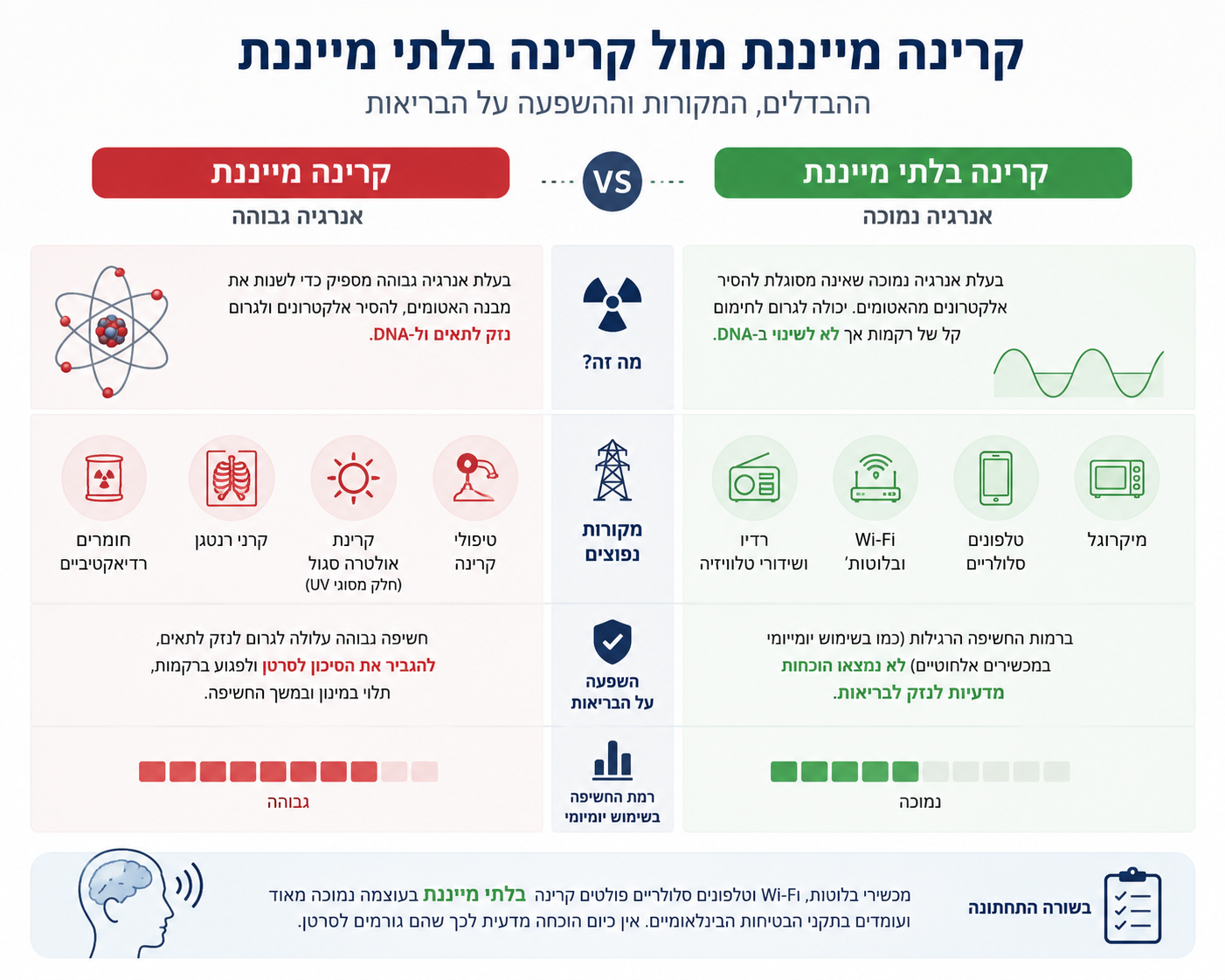
Yes. Like any wireless device, Bluetooth headphones emit radio frequency (RF) electromagnetic radiation .
However, this is non-ionizing radiation , meaning radiation that is not considered to have sufficient energy to damage DNA or cause changes in cells as ionizing radiation does, such as X-rays or radioactive radiation.
In addition, the transmission power of Bluetooth headphones is significantly lower than that of a mobile phone during a call.
What do the studies say about the link between Bluetooth and cancer?
One of the most common questions is whether prolonged use of wireless headphones may increase the risk of brain cancer.
To date, there is no established scientific evidence that Bluetooth headphones cause cancer .
Studies examining exposure to radio frequency radiation from mobile phones have also not found a clear conclusion proving a causal relationship. However, the researchers emphasize that research in this area is still ongoing, especially regarding the effects of long-term exposure.
Ionizing radiation vs. non-ionizing radiation
To understand the issue, it is important to know the difference between the two types of radiation.
Ionizing radiation
Includes, among other things:
- X-rays.
- Gamma radiation.
- Radioactive materials.
This radiation carries high energy and can cause damage to cells and DNA.
Non-ionizing radiation
Includes:
- Bluetooth.
- Wi-Fi.
- Radio broadcasts.
- Television.
- Cellular communication.
This radiation operates at a lower energy, and there is currently no evidence that it causes biological damage under the usual conditions of use.
Should you be concerned about the radiation from wireless headphones?
According to current scientific knowledge, the level of radiation emitted from Bluetooth headphones is very low and meets the safety standards set in many countries around the world.
However, those interested in reducing exposure can take a few simple steps:
- Remove the headphones when not in use.
- Use speakerphone when possible.
- Choose wired headphones if you feel more comfortable.
- Avoid listening continuously for many hours.
The real danger: hearing damage
While the debate surrounding radiation is still ongoing, there is one health hazard that is well-documented – listening at high volume over time can cause irreversible hearing damage .
Prolonged exposure to high sound levels may cause:
- Gradual decline in hearing.
- Ringing in the ears (tinnitus).
- Difficulty understanding speech.
- Permanent damage to the auditory cells.
Unlike radiation, this is a risk that is backed by numerous studies.
How to use headphones safely?
To maintain hearing health, it is recommended to adopt a few simple habits:
Keep the volume moderate.
It is advisable for the volume to be in the range of about 60%–80% of maximum power , especially during prolonged listening.
Take breaks.
After about an hour of continuous listening, it is recommended to remove the headphones for a few minutes to allow your ears to rest.
Avoid listening at high volume in noisy places.
Instead of turning up the volume, consider using noise-canceling headphones, which may allow you to listen at a lower volume.
Pay attention to the environment
When walking, cycling, or crossing the road, it is important to remain aware of environmental noise to reduce the risk of accidents.
Frequently Asked Questions
Are Bluetooth headphones dangerous for the brain?
According to current scientific knowledge, there is no evidence that Bluetooth headphones cause brain damage or increase the risk of cancer.
Do Bluetooth headphones emit radiation?
Yes, but this is non-ionizing radio radiation and very low intensity, considered lower than that of cell phones.
What is the most significant health risk?
Prolonged listening at high volume may cause irreversible hearing damage.
Summary
Bluetooth headphones are a safe technology to use for most people, and there is currently no scientific evidence to suggest that they cause cancer or brain damage. The radiation they emit is low and within acceptable standards.
However, maintaining a reasonable volume and taking breaks while listening are much more important for everyday health. Responsible use of headphones will help you enjoy music, podcasts, and conversations – without putting your hearing at risk.
Want to stay healthy even in the digital age? Make sure to stay up-to-date with research-based information and adopt healthy habits for the devices you use every day.