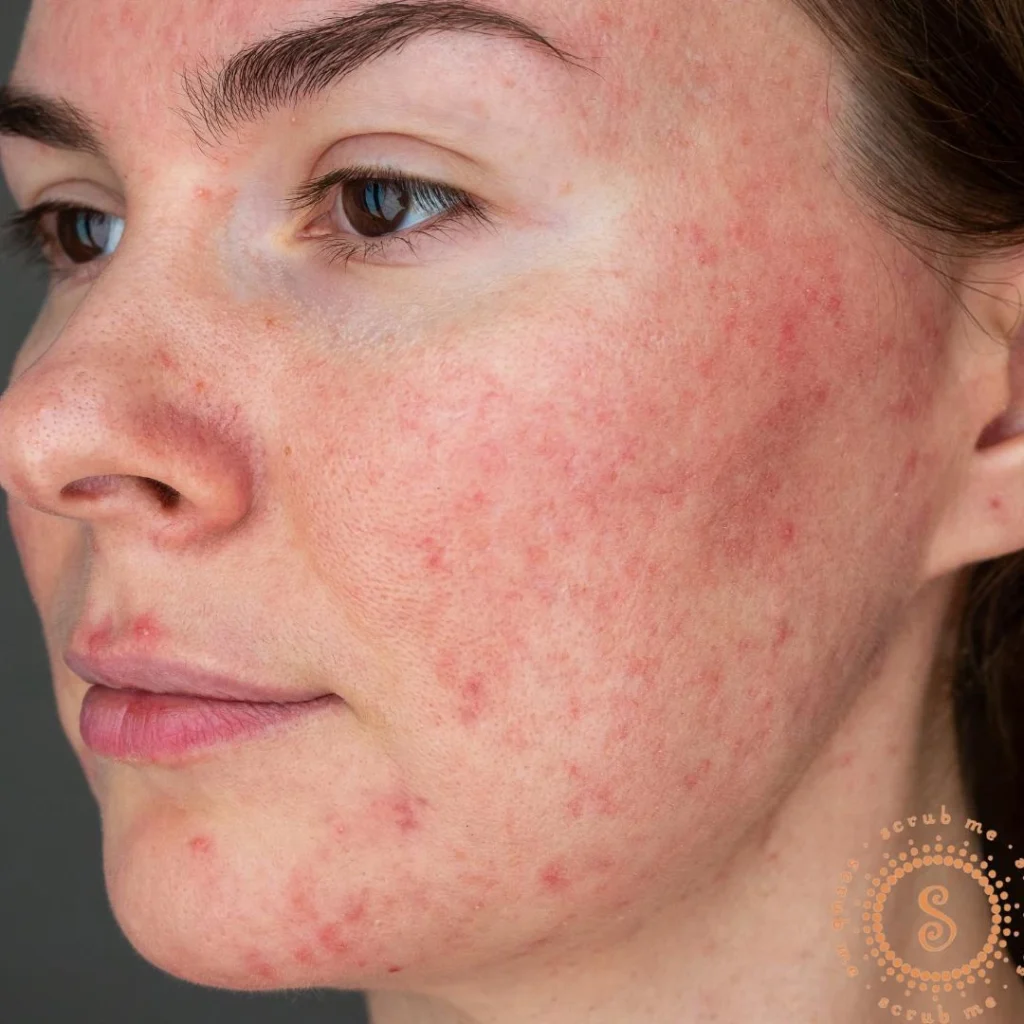


כאבי מפרקים, נפיחות באצבעות ונוקשות בבוקר יכולים להיראות כמו בעיה זמנית – אבל אצל חלק מהאנשים מדובר במצב כרוני שנקרא דלקת מפרקים פסוריאטית. המחלה קשורה לפסוריאזיס (ספחת) ועלולה להשפיע משמעותית על איכות החיים אם לא מאבחנים ומטפלים בה בזמן.
הבשורה הטובה היא שכיום קיימים טיפולים מתקדמים שיכולים להפחית כאב, להאט את התקדמות המחלה ולעזור לשמור על שגרת חיים תקינה.
בכתבה זו תמצאו מדריך מקיף וברור: מהם התסמינים, מי נמצא בסיכון, אילו סוגים קיימים ואיך מטפלים בדלקת מפרקים פסוריאטית.
מהי דלקת מפרקים פסוריאטית?
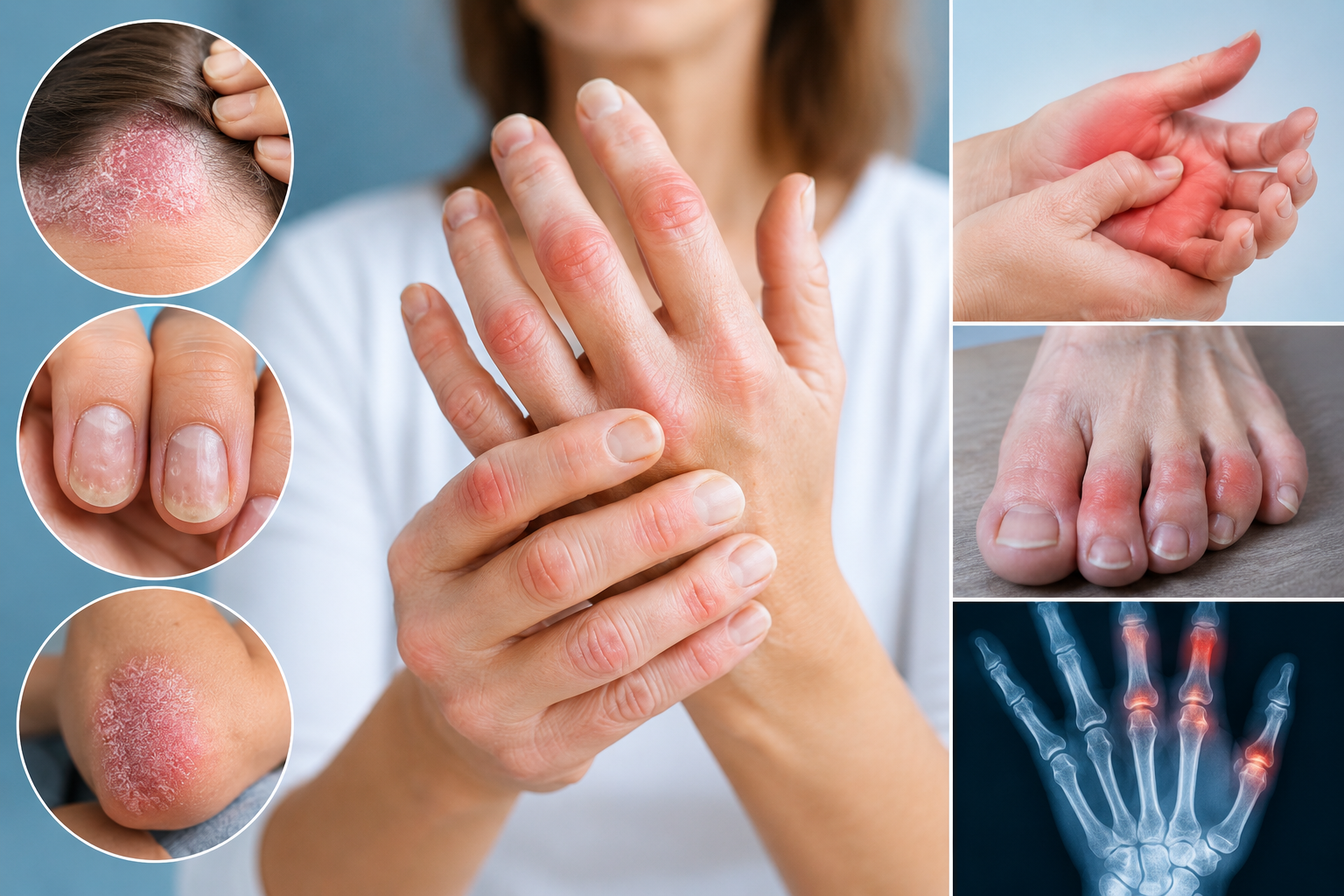
דלק מפרקים פסוריאטית (Psoriatic Arthritis) היא מחלה דלקתית של המפרקים שמופיעה אצל אנשים הסובלים מפסוריאזיס – מחלת עור כרונית המאופיינת בקשקשת אדומה־לבנה על העור.
במרבית המקרים:
- הפסוריאזיס מופיע ראשון
- דלקת המפרקים מתפתחת כ־5 עד 12 שנים לאחר מכן
המחלה גורמת לדלקת במפרקים ולעיתים גם בגידים ובעמוד השדרה.
מי נמצא בסיכון לדלקת מפרקים פסוריאטית?
כ־15% מהאנשים עם פסוריאזיס יפתחו גם דלקת מפרקם פסוריאטית.
קבוצות סיכון עיקריות:
- גברים ונשים באופן דומה
- גילאי 30–50
- אנשים עם היסטוריה משפחתית של:
- פסוריאזיס
- דלקות מפרקים
גורמי סיכון אפשריים:
- גנטיקה
- פעילות לא תקינה של מערכת החיסון
- סטרס
- גורמים סביבתיים
- זיהומים מסוימים
💡 אצל כ־40% מהחולים קיים קרוב משפחה עם המחלה.

מה גורם לדלקת מפרקים פסוריאטית?
הגורם המדויק עדיין אינו ידוע, אך החוקרים סבורים שמדובר בשילוב בין:
גנטיקה
נמצא קשר לגנים מסוימים, במיוחד:
- HLA-B27
מערכת החיסון
המערכת החיסונית תוקפת בטעות רקמות בריאות בגוף.
טריגרים אפשריים
- סטרס נפשי
- זיהומים
- שינויים הורמונליים
- פציעות
תסמינים נפוצים של דלקת מפרקים פסוריאטית
התסמינים משתנים מאדם לאדם, אך לרוב כוללים:
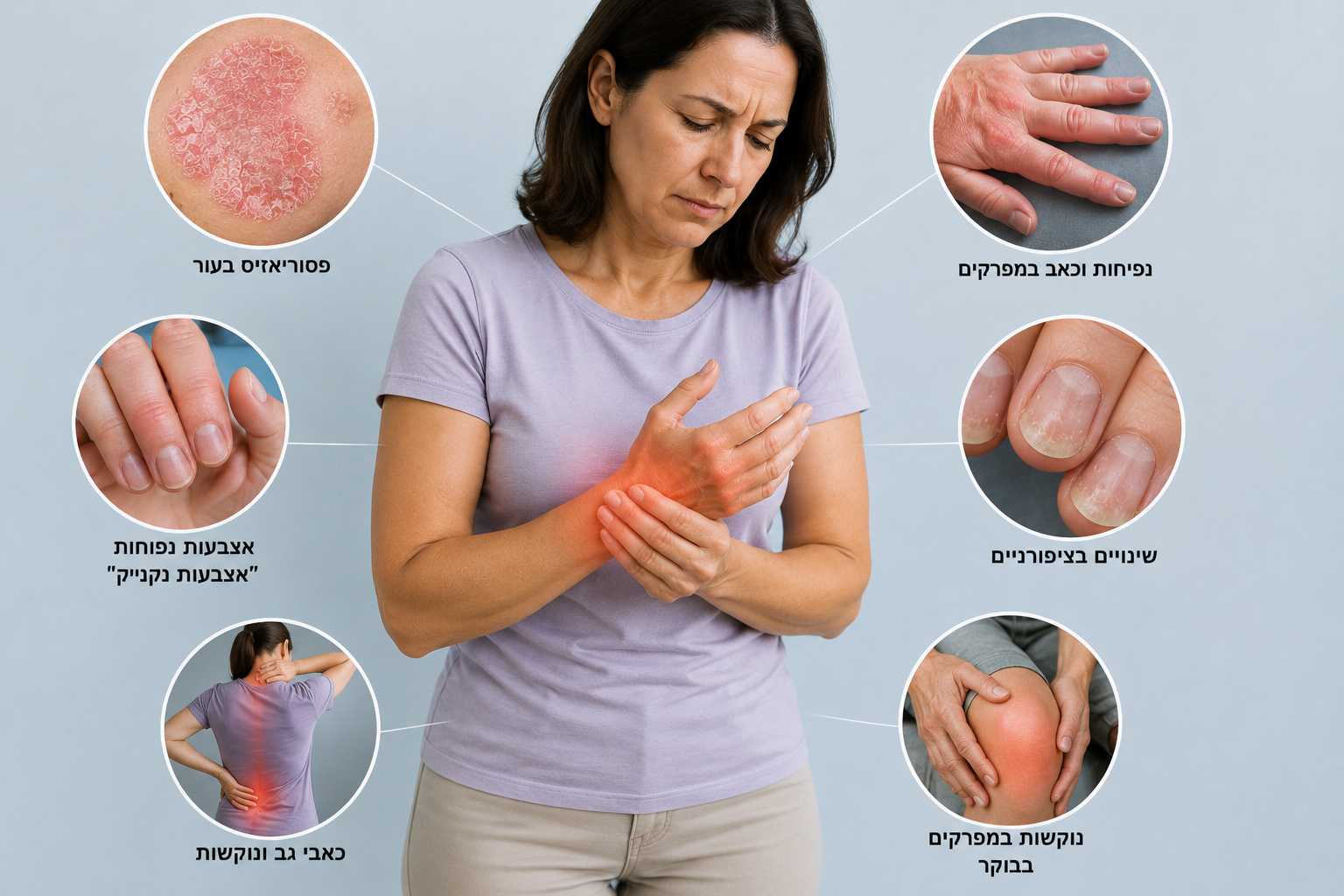
כאבי מפרקים ודלקת
- נפיחות
- חום מקומי
- אדמומיות
- כאב במפרקים
בדרך כלל נפגעים:
- ברכיים
- קרסוליים
- כפות רגליים
אצבעות נפוחות (“אצבעות נקניק”)
אחד הסימנים המוכרים ביותר.
האצבעות או אצבעות הרגליים:
- מתנפחות לכל אורכן
- נראות עבות ואדומות
נוקשות בבוקר
- קושי בתנועה לאחר שינה
- שיפור הדרגתי במהלך היום
שינויים בציפורניים
- שקעים קטנים בציפורן
- התנתקות הציפורן ממיטת הציפורן
כאבי גב תחתון וצוואר
במקרים מסוימים המחלה משפיעה על עמוד השדרה.
סוגי דלקת מפרקים פסוריאטית
קיימים חמישה סוגים עיקריים:
דלקת מפרקים פסוריאטית סימטרית
פוגעת באותם מפרקים בשני צידי הגוף.
לדוגמה:
- שני הברכיים
- שני שורשי כף היד
דומה לעיתים לדלקת מפרקים שגרונית.
דלקת מפרקים פסוריאטית א־סימטרית
פוגעת במפרקים בודדים ולא בהכרח בשני הצדדים.
מאפיינים:
- שכיחה יחסית
- לעיתים קלה יותר
- עלולה לגרום לנפיחות באצבעות
DIP – פגיעה במפרקים הקרובים לציפורן
משפיעה על המפרקים הקטנים בקצות האצבעות.
לעיתים מבלבלים אותה עם:
- שחיקת סחוס (אוסטיאוארתריטיס)
ספונדיליטיס – פגיעה בעמוד השדרה
גורמת לדלקת בעמוד השדרה ובאגן.
תסמינים:
- כאבי גב
- נוקשות
- קושי בתנועה
Arthritis Mutilans – הסוג הקשה ביותר
The rarest and most severe form.
May cause:
- Joint deformities
- Destruction of small bones
- Significant impairment in functioning
How is psoriatic arthritis diagnosed?
There is no single test that completely confirms the disease.
Diagnosis is made using a combination of:
Medical examination
- Joint examination
- Skin and nail examination
Medical history
- Personal or family psoriasis
Imaging tests
- X-ray
- MRI
Blood tests
- Inflammation indices
- Ruling out rheumatoid arthritis
- HLA-B27 test
Joint puncture
Sometimes fluid is aspirated from the joint for testing.

Treatments for psoriatic arthritis
The goal of treatment is:
✔ Reduce pain
✔ Stop inflammation
✔ Prevent joint damage
Drug treatment
Anti-inflammatory drugs (NSAIDs)
To reduce pain and swelling.
Advanced medicines
such as:
- Methotrexate
- Corticosteroids
- Biological drugs
Biologic drugs target the immune system and reduce inflammation in a targeted manner.
Physiotherapy and exercise
Moderate activity can help a lot.
recommended:
- tension
- Swimming
- walk
- Strengthening exercises
💡 Warming up before activity and ice afterwards can reduce pain.
Is there a cure for the disease?
Currently, there is no complete cure , but the disease can be controlled very well.
Early treatment can:
- Slow down progress
- Prevent permanent damage
- Significantly improve quality of life
Important tips for daily coping
Maintaining a healthy lifestyle
- Anti-inflammatory diet
- Maintaining a healthy weight
Rest and good sleep
- Reducing the burden on the body
Vitamin D
May help with inflammatory conditions associated with psoriasis.
Stress reduction
- yoga
- meditation
- Relaxing activity

Summary: Early diagnosis can change the picture
Psoriatic arthritis is a chronic disease, but with proper diagnosis and appropriate treatment, it is certainly possible to live a full and active life.
If you suffer from psoriasis and begin to experience joint pain, swelling, or stiffness – don’t ignore the signs.
👉 Early treatment can prevent irreversible damage to the joints and significantly improve the quality of life.
Medical Research: What’s New in the Treatment of Psoriatic Arthritis?
In recent years, there has been significant progress in understanding psoriatic arthritis and in developing treatments that aim to reduce inflammation, relieve pain, and prevent irreversible joint damage. Current research focuses primarily on early diagnosis, targeted biological therapies, and tailoring treatment to the individual characteristics of each patient.
1. Early diagnosis may prevent joint damage
One of the main topics in recent studies is the importance of early detection of psoriatic arthritis in people with psoriasis.
Joint pain, swelling in the fingers, heel pain, and morning stiffness may be the first signs of the disease. Early diagnosis and initiation of appropriate treatment may reduce the risk of structural damage to the joints and improve function over time.
Studies and professional recommendations emphasize the importance of monitoring people with psoriasis and referring them to a rheumatologist when symptoms suspicious of arthritis appear.
Further reading: Research on the early diagnosis of psoriatic arthritis – 2025 .
2. Advanced biological therapies help control the disease
Another area that is advancing rapidly is the development of biologic drugs that target specific mechanisms in the immune system. These drugs act against inflammatory pathways involved in the development of the disease, including IL-17 and IL-23.
The treatments may reduce pain and swelling, improve joint function, and slow the progression of damage in patients who are eligible for them.
The choice of medication is made depending on the severity of the disease, the areas affected, the response to previous treatments, and the patient’s general medical condition.
Further reading: Updates in the diagnosis and treatment of psoriatic arthritis – 2026 .
3. New studies are examining the next generation of treatments
Medical research continues to explore new treatments that may improve control of psoriatic arthritis. Among the areas being explored are more targeted therapies, tailoring medications to the patient’s biological characteristics, and early identification of people at risk of developing active disease.
Some treatments are still in the research and development stages, and therefore not all of them are currently available as part of routine medical care.
For further reading: Overview of future treatments for psoriatic arthritis – 2026 .
4. Adapting treatment to the patient’s personal condition
The current medical approach emphasizes tailoring treatment to each individual based on symptoms and the degree of disease activity. The goal is to achieve remission or a level of disease activity that is as low as possible.
To this end, the doctor monitors pain, swelling, stiffness, joint function, and inflammation indicators, and depending on the results, may change the drug treatment.
This approach is called Treat to Target, and it is designed to improve disease control and reduce the risk of lasting damage.
Further reading: EULAR recommendations for the treatment of psoriatic arthritis .
What does it mean to you?
New research shows that early diagnosis, medical follow-up, and personalized treatment are important components in managing psoriatic arthritis. Today, advanced treatment options are available that can help reduce symptoms and slow the progression of the disease.
If you have psoriasis and notice joint pain, swelling in your fingers, or prolonged morning stiffness, it’s important to see a rheumatologist. Early diagnosis can help prevent joint damage and maintain your quality of life.
Medical note: The information in the article is intended for educational purposes only and does not replace personal medical diagnosis, advice, or treatment.