

Menopause hormone therapy is a great option – but for many it comes with its own challenges. Hot flashes, mood swings, sleep disturbances and even decreased bone density – all of which are related to the hormonal changes that occur in the body.
So is hormone therapy the solution? And what is really important to know before you start?
In the following guide you will find a clear, professional, and accessible explanation that will help you understand the benefits, risks, and available options.
What is menopause and what happens to the body?
Menopause is the stage when menstruation stops and the ability to become pregnant ends. This occurs due to a decrease in the production of female hormones – mainly estrogen and progesterone .
Common symptoms:
- Hot flashes and sweats
- Sleep disorders
- Vaginal dryness
- Mood changes
- Decreased energy
💡For some women, the symptoms are mild, but for others they can significantly affect quality of life.
What is hormone therapy (HT)?
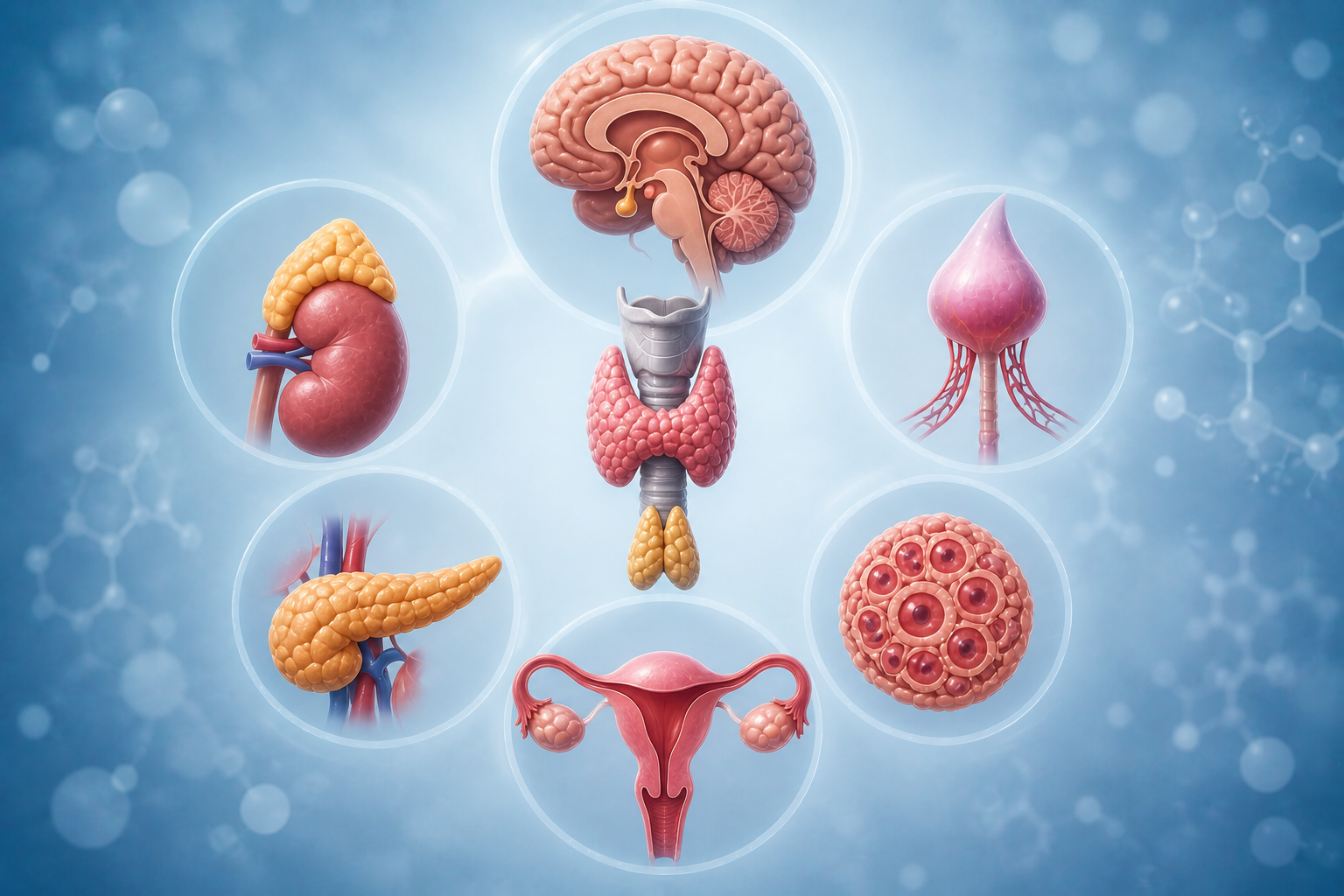
Hormone therapy is designed to supplement the hormones that the body produces less of.
Types of treatment:
- Estrogen only (ET) – for women without a uterus
- Estrogen + Progestin (EPT) – for women with a uterus
The treatment is considered particularly effective in reducing hot flashes and improving quality of life.
What types of hormone therapy are there?
There are a variety of ways to receive hormone therapy, depending on individual needs:
💊Oral treatment
- Daily pills
- Continuous or cyclical treatment
🩹Treatment through the skin
- Hormonal patches
- Spray or gel
🌸Local treatment
- Vaginal creams
- Vaginal rings or tablets
📌The choice depends on your symptoms and health condition.
Who is hormone therapy suitable for?
The treatment is particularly suitable in the following cases:
- Severe hot flashes
- Significant sleep disturbances
- Vaginal dryness
- Decreased quality of life
👉It is generally recommended to use the lowest dose and for the shortest possible time.
Who should avoid hormone therapy?
There are situations in which hormone therapy is not recommended:
- History of breast or uterine cancer
- Blood clots
- Heart disease
- Unexplained bleeding
📌It is important to consult a doctor before starting treatment.
Possible side effects and risks
Like any medical treatment, there are side effects:
Common symptoms:
- Headaches
- Nausea
- Breast tenderness
Possible risks:
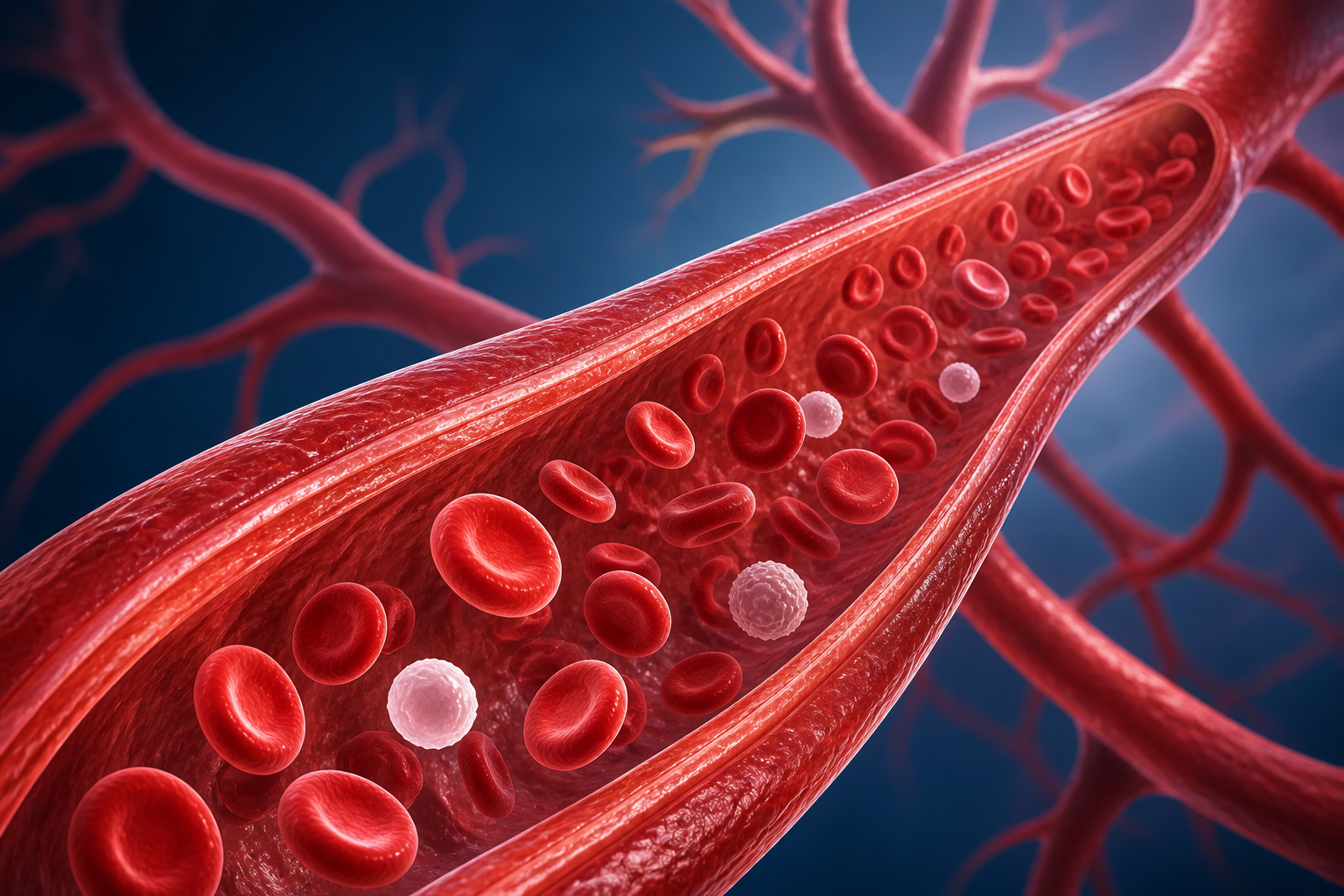
- Blood clots
- A slight increase in the risk of breast cancer
- Stroke (rare)
💡It is important to understand: In healthy women, the overall risk is still relatively low.
How to go through menopause even without hormone therapy?
Not everyone needs hormone therapy – there are also natural solutions:
Tips for improving quality of life:
- Regular physical activity
- Balanced diet
- Avoiding smoking and alcohol
- Well-organized sleep
- Using products to relieve dryness

Medical tests and monitoring
Women undergoing hormone therapy should undergo regular monitoring:
- Breast exams (mammography)
- Blood tests
- Monitoring symptoms
📌Monitoring is important to maintain the safety of treatment.
Summary of Menopausal Hormone Therapy
Menopausal hormone therapy can be a very effective tool for improving quality of life – but it is not suitable for everyone.
The decision should be made individually, taking into account:
- In good health
- In the intensity of the symptoms
- And personal preferences
👉 Most importantly: consult a doctor and choose the path that suits you.
What do the new studies and guidelines say about hormone therapy during menopause?
Current medical guidelines continue to point to hormone therapy as an effective option for relieving menopausal symptoms, especially hot flashes and night sweats. According to the American College of Physicians guidelines from October 2026, estrogen-only therapy may be appropriate for women who have had a hysterectomy, while women with a uterus usually need a combination of estrogen and progestogen to protect the endometrium.
The FDA also updated the prominent warnings on some hormone therapy products in February 2026. The change is intended to more accurately reflect current scientific knowledge, but does not indicate the absence of risks. The decision to use treatment should be made after an individual medical assessment of the woman’s age, time since menopause, medical history, and type of product.
Recent studies and guidelines also indicate the importance of the route of hormone delivery. In some women, estrogen delivered through the skin via a patch or gel may be associated with a lower risk of blood clots compared with estrogen taken by mouth. However, choosing the right treatment depends on each woman’s health and risk factors, so it is important to consult a doctor or gynecologist before starting treatment.